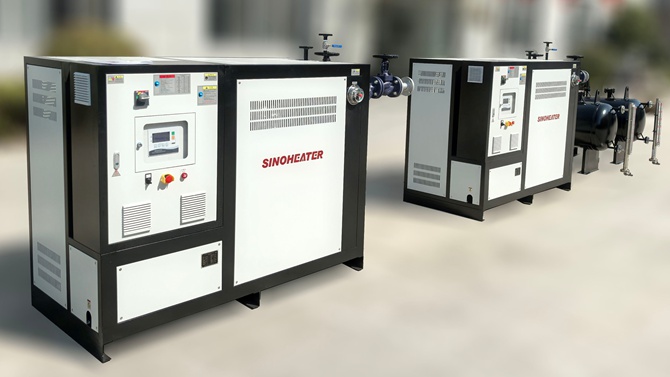
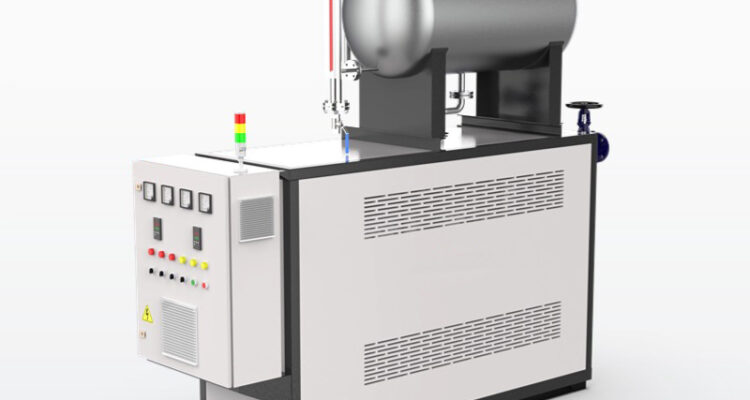
Asphalt plant operations rely on consistent, reliable high-temperature heat to keep aggregate drying, bitumen storage,…

thermal oil heater system design
Thermal Oil Heater System Design
A well-planned thermal oil heater system design plays a major role in industrial heating efficiency, operational safety, and long-term reliability. Industries that require stable high-temperature heating often rely on thermal fluid systems because they provide accurate temperature control under relatively low operating pressure.
The overall design process involves heat load calculation, circulation layout, component selection, insulation planning, and safety protection. Every part of the system must work together to ensure efficient heat transfer and stable industrial operation.
Core Principles of Thermal Oil Heater System Design
A thermal oil heater system is designed to transfer heat energy through circulating thermal fluid. Unlike steam systems, the heat transfer medium remains in liquid form at high temperatures, allowing smoother thermal control and lower system pressure.
Heat Load Calculation
The first step in system design is determining the required heating capacity. Engineers calculate the total heat demand based on:
- Production process temperature
- Material heating requirements
- Equipment heat consumption
- Heat loss from pipelines and tanks
- Continuous or batch operation conditions
Accurate heat load calculation helps prevent insufficient heating performance or excessive energy consumption.
Thermal Fluid Selection
The thermal fluid directly affects system efficiency and operating stability. Different thermal oils are selected according to operating temperature range, oxidation resistance, viscosity, and thermal conductivity.
Choosing the proper fluid helps maintain stable circulation and reduces the risk of thermal degradation during long-term operation.
Low Pressure High Temperature Operation
One major advantage of thermal oil heating is the ability to achieve high temperatures without excessive pressure. System design focuses on maintaining safe operating conditions while delivering consistent heat transfer throughout the industrial process.
Main Components in a Thermal Oil Heater System
Several key components must be carefully integrated into the heating system layout.
Heater Body and Combustion Chamber
The heater body contains the coil system where thermal fluid absorbs heat generated by combustion. The combustion chamber design affects fuel efficiency, heat transfer rate, and overall system performance.
Efficient combustion chamber structure also helps reduce fuel waste and improve thermal stability.
Circulation Pump Design
The circulation pump ensures continuous movement of thermal oil through the entire heating network. Proper pump sizing is essential because insufficient flow may lead to overheating inside the heater coil.
Pump selection usually considers:
- Flow rate requirements
- Operating temperature
- System pressure loss
- Fluid viscosity
- Continuous operation conditions
Stable circulation improves heat distribution and supports reliable industrial heating.
Expansion Tank Arrangement
Thermal oil expands significantly as temperature rises. The expansion tank absorbs fluid expansion while helping maintain stable system pressure.
Expansion tank positioning is important in system design because incorrect installation may lead to circulation instability or overheating problems.
Piping Layout and Heat Transfer Efficiency
The piping system directly influences thermal performance and energy consumption.
Optimized Pipeline Routing
Short and efficient pipeline routing reduces heat loss and circulation resistance. Excessive pipe bends or unnecessary elevation changes may increase pump load and lower overall system efficiency.
Proper pipe diameter selection also helps maintain stable thermal fluid velocity throughout the system.
Thermal Insulation Design
Industrial heating systems operate continuously at elevated temperatures, making insulation extremely important. High-quality insulation materials reduce external heat loss and improve energy efficiency.
Well-designed insulation also helps maintain safer working conditions around industrial equipment.
Heat Expansion Considerations
Thermal expansion affects pipes, valves, and support structures during high-temperature operation. Expansion joints and flexible support arrangements help reduce thermal stress within the piping network.
Ignoring thermal expansion during system design may result in pipe deformation or connection leakage over time.
Temperature Control and Automation
Modern thermal oil heater systems increasingly rely on automated control technology.
Temperature Monitoring System
Temperature sensors monitor thermal fluid conditions at multiple points within the system. Continuous monitoring helps maintain stable process temperatures and improves operational safety.
Automatic controllers regulate burner activity according to real-time heating demand.
Pressure Protection Measures
Although thermal oil systems operate at lower pressure compared to steam boilers, pressure monitoring remains essential. Pressure protection devices help identify circulation blockage, overheating, or abnormal operating conditions.
Emergency Shutdown Function
Industrial heating systems often include automatic shutdown protection for situations such as:
- Low circulation flow
- Excessive outlet temperature
- Burner flame failure
- Abnormal pressure increase
Emergency protection systems help reduce equipment damage and improve operational safety.
Factors Affecting Thermal Oil Heater Performance
Several operating factors influence heating efficiency and system reliability.
Fuel Combustion Efficiency
Efficient combustion improves heat generation while reducing fuel consumption. Burner adjustment, combustion air control, and exhaust gas monitoring all contribute to better thermal performance.
Thermal Oil Quality
Over time, thermal oil may oxidize or form sludge under prolonged high-temperature exposure. Maintaining fluid quality is important for preserving heat transfer efficiency and preventing internal system contamination.
Routine Maintenance Planning
A properly designed system should allow convenient maintenance access for pumps, valves, burners, and filters. Regular inspection helps detect wear, leakage, or circulation problems before major failures occur.
Industrial Applications of Thermal Oil Heater Systems
Thermal oil heater systems are widely used across many industries due to their flexibility and stable heat transfer performance.
Chemical Processing
Chemical production often requires precise temperature control for reactors, mixing systems, and heat exchangers. Thermal oil circulation supports stable process conditions throughout continuous operation.
Food Manufacturing
Food processing facilities use thermal oil heating for frying systems, drying equipment, and temperature-controlled production lines where stable heat distribution is essential.
Building Material Production
Industries producing asphalt, plywood, insulation materials, and construction products frequently rely on thermal oil systems for consistent high-temperature heating.
Textile and Plastic Industries
Textile finishing and plastic molding processes often depend on controlled thermal energy to maintain production quality and improve operational efficiency.
Related Posts