Asphalt plant operations rely on consistent, reliable high-temperature heat to keep aggregate drying, bitumen storage,…

thermal oil heater working principle
Thermal Oil Heater Working Principle
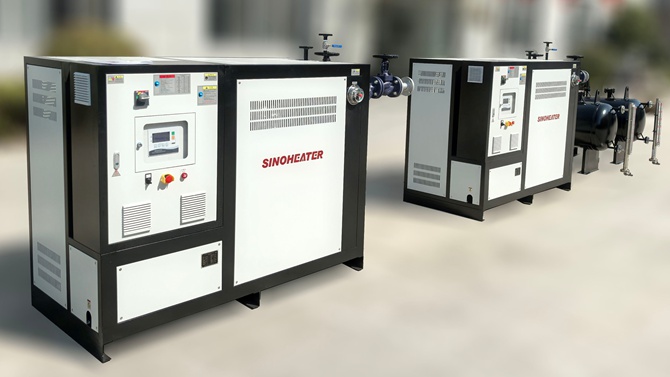
A thermal oil heater is an industrial heating system designed to transfer heat through circulating thermal fluid instead of steam or direct flame contact. It is widely used in industries that require stable high-temperature heating with accurate temperature control and lower operating pressure.
Understanding the thermal oil heater working principle helps improve system operation, maintenance planning, and energy efficiency in industrial environments.
How a Thermal Oil Heater Generates Heat
The heating process begins inside the combustion chamber, where fuel combustion produces thermal energy. This heat is transferred to thermal oil flowing through the heater coil.
The heated thermal fluid then circulates through pipelines to industrial equipment, where it releases heat to support production processes. After transferring energy, the cooler oil returns to the heater for reheating, creating a continuous closed-loop circulation cycle.
Combustion Heat Generation
The burner mixes fuel and air to create controlled combustion inside the furnace chamber. The generated flame produces high-temperature gases that flow around the heater coil.
Efficient combustion is important because it directly affects fuel consumption, heating speed, and thermal efficiency.
Heat Transfer Through the Coil
Inside the heater body, thermal oil flows through specially designed coils. The heat from combustion gases passes through the coil wall and transfers into the circulating fluid.
This indirect heating method prevents direct flame contact with industrial equipment and allows stable temperature management throughout the system.
Continuous Thermal Oil Circulation
A circulation pump keeps the thermal fluid moving continuously through the entire heating system. Constant circulation helps distribute heat evenly while preventing localized overheating inside the coil.
Stable fluid flow is one of the most important factors affecting system safety and thermal performance.
Main Components Involved in the Working Principle
Several components work together to maintain efficient and reliable operation.
Burner System
The burner controls fuel combustion and heat generation. It regulates flame intensity according to heating demand and temperature settings.
Modern burner systems often include automatic ignition, flame monitoring, and combustion air adjustment for improved operational efficiency.
Circulation Pump
The circulation pump maintains the flow of thermal oil throughout the piping network. Without sufficient flow rate, the oil inside the heater may overheat and degrade rapidly.
Pump performance directly affects heat transfer efficiency and overall system stability.
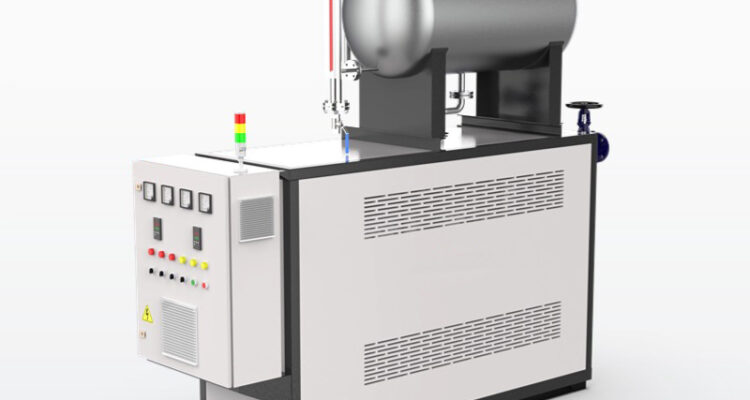
Expansion Tank
Thermal oil expands when heated to high temperatures. The expansion tank absorbs changes in oil volume and helps maintain stable operating pressure within the system.
This component also helps remove trapped air and supports smoother circulation.
Control and Monitoring System
Temperature sensors and pressure monitoring devices continuously track system conditions. Automatic controllers regulate burner operation to maintain the desired thermal fluid temperature.
Safety interlocks may shut down the system if abnormal operating conditions occur.
Closed-Loop Circulation Process
The thermal oil heater working principle relies on a closed-loop circulation structure. The thermal fluid repeatedly cycles through the system without significant evaporation or pressure increase.
Heating Stage
Thermal oil enters the heater coil at a lower temperature. Combustion heat transfers into the fluid, increasing its temperature as it flows through the coil passages.
Heat Delivery Stage
The heated oil travels through insulated pipelines to industrial equipment such as reactors, dryers, heat exchangers, or processing tanks.
During this stage, thermal energy transfers from the oil into the production process.
Return Flow Stage
After releasing heat, the cooler thermal oil returns to the heater inlet for reheating. The circulation cycle then repeats continuously during operation.
This circulation method provides stable and efficient industrial heating over long operating periods.
Advantages of the Thermal Oil Heating Principle
The thermal oil heater working principle offers several advantages for industrial applications.
High Temperature Under Low Pressure
Unlike steam systems, thermal oil systems can operate at elevated temperatures without requiring extremely high pressure. This reduces stress on pipes, valves, and connected equipment.
Lower operating pressure also improves overall safety in industrial facilities.
Accurate Temperature Control
Thermal fluid circulation allows stable temperature regulation across industrial processes. Accurate thermal control is especially important in chemical processing, food manufacturing, and material production.
Uniform Heat Distribution
Continuous circulation helps distribute heat evenly throughout the system. Uniform heating improves product consistency and reduces process temperature fluctuations.
Reduced Corrosion Risk
Since the system operates as a closed-loop structure, exposure to oxygen and moisture is minimized. This helps reduce internal corrosion and extends equipment service life.
Factors Affecting Thermal Oil Heater Performance
Several operating conditions influence heating efficiency and system reliability.
Thermal Oil Quality
Thermal oil gradually degrades when exposed to prolonged high temperatures. Oxidation, sludge formation, and contamination may reduce heat transfer efficiency over time.
Regular fluid inspection helps maintain stable system performance.
Combustion Efficiency
Proper burner adjustment improves fuel utilization and reduces energy waste. Incomplete combustion may lower heating efficiency and increase exhaust emissions.
Circulation Stability
Insufficient circulation flow can lead to overheating inside the heater coil. Stable pump operation is essential for maintaining safe and efficient thermal transfer.
Insulation Condition
Damaged or insufficient insulation increases heat loss from pipelines and equipment surfaces. Good insulation design helps maintain energy efficiency throughout the system.
Industrial Applications Based on the Working Principle
The thermal oil heater working principle supports a wide range of industrial heating applications.
Chemical Manufacturing
Chemical production often requires stable and continuous high-temperature heating for reactors and mixing systems.
Food Processing
Food manufacturing facilities use thermal oil heating for frying, drying, baking, and temperature-sensitive production processes.
Asphalt and Construction Materials
Asphalt storage and processing systems rely on thermal oil circulation to maintain proper material viscosity during operation.
Textile and Plastic Industries
Thermal oil systems provide controlled heating for drying equipment, molding processes, and industrial finishing operations.
Related Posts