
Accurately calculating the required heating capacity for a thermal oil heater is a foundational step…
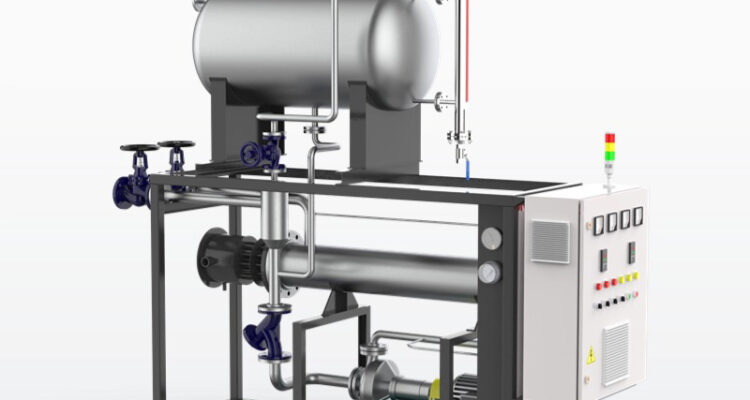
thermal oil heater installation process
Thermal Oil Heater Installation Process
The thermal oil heater installation process plays a critical role in ensuring safe operation, stable heat transfer, and long-term industrial efficiency. Proper installation helps reduce operational problems, improve circulation performance, and support reliable temperature control across industrial heating systems.
Industrial facilities using thermal oil heating systems often require careful planning before equipment installation begins. Factors such as foundation strength, pipeline routing, ventilation, and thermal expansion all affect overall system performance.
Site Preparation Before Installation
Careful site preparation helps create stable operating conditions for the thermal oil heater system.
Select a Suitable Installation Area
The installation area should provide enough space for equipment operation, maintenance access, and ventilation. Restricted spaces may affect heat dissipation and make routine inspection more difficult.
The location should also support safe fuel supply connections and proper exhaust routing.
Prepare the Foundation Structure
A stable foundation is necessary to support the weight of the thermal oil heater and connected piping system. Uneven or weak foundations may cause vibration problems and equipment misalignment during operation.
The foundation should remain level and resistant to long-term thermal and mechanical stress.
Ensure Proper Ventilation
Good ventilation improves combustion efficiency and helps maintain safe working conditions. Industrial heating systems generate high temperatures, making airflow management important for both equipment protection and operator safety.
Ventilation planning should also consider exhaust gas discharge and combustion air supply.
Thermal Oil Heater Equipment Installation
The main heater body and supporting components must be installed according to the system design layout.
Position the Heater Correctly
The thermal oil heater should be positioned to allow smooth pipeline routing and convenient maintenance access. Proper alignment helps reduce unnecessary stress on pipe connections and circulation components.
Installation spacing should also provide room for burner servicing and inspection procedures.
Install the Burner System
The burner assembly must be securely connected to the combustion chamber. Proper burner installation helps maintain stable combustion and efficient heat generation.
Fuel supply lines, air intake systems, and ignition components should be checked carefully before startup.
Secure the Expansion Tank
The expansion tank is usually installed at a higher elevation within the system to accommodate thermal oil expansion during heating.
Correct positioning helps:
- Maintain stable system pressure
- Prevent oil overflow
- Reduce air accumulation
- Improve circulation stability
Improper expansion tank installation may lead to overheating or unstable fluid flow.
Pipeline Installation and Layout
The piping system directly affects circulation efficiency and heat transfer performance.
Plan Efficient Pipeline Routing
Pipeline layout should minimize excessive bends, unnecessary elevation changes, and long circulation distances. Efficient routing helps reduce pressure loss and improves thermal oil flow stability.
Shorter and smoother pipeline arrangements also help lower energy consumption.
Install Thermal Expansion Compensation
Industrial heating systems experience continuous thermal expansion during operation. Expansion joints or flexible pipe sections help absorb thermal stress and protect the piping structure.
Without proper expansion compensation, pipelines may develop cracks, leakage, or connection failure over time.
Maintain Proper Pipe Slope
Some pipeline sections may require slight slope design to help remove trapped air and improve fluid circulation. Air pockets inside the system can reduce heat transfer efficiency and increase pump instability.
Apply Thermal Insulation
Thermal insulation reduces heat loss from pipes, valves, and connected equipment. Well-insulated systems improve energy efficiency while helping maintain safer surface temperatures around industrial equipment.
Insulation materials should tolerate high operating temperatures and industrial working conditions.
Electrical and Control System Installation
Modern thermal oil heaters rely heavily on automatic control and monitoring systems.
Connect Temperature Sensors
Temperature sensors monitor inlet and outlet oil temperatures throughout the system. Accurate sensor placement helps maintain stable thermal control during operation.
Sensors should be installed in locations with reliable thermal contact and protected wiring connections.
Install Pressure Monitoring Devices
Pressure gauges and safety switches help monitor system conditions and detect circulation problems. Proper installation ensures accurate readings and reliable safety protection.
Pressure devices should remain accessible for routine inspection and calibration.
Configure Automatic Control Systems
Automatic control systems regulate burner operation based on heating demand and process temperature requirements.
Control system installation may include:
- Burner controllers
- Alarm systems
- Emergency shutdown devices
- Pump interlock protection
- Temperature limit controls
Reliable automation improves operational safety and reduces manual adjustment requirements.
System Cleaning Before Startup
Cleaning procedures are essential before the thermal oil heater enters normal operation.
Remove Debris from Pipelines
Dust, welding residue, and metal particles may remain inside pipelines after installation. These contaminants can damage pumps, block valves, or reduce heat transfer efficiency.
System flushing helps remove internal debris before thermal oil circulation begins.
Pressure Testing
Pressure testing verifies the sealing integrity of pipelines, valves, and welded connections. Leak testing helps identify installation problems before high-temperature operation starts.
Testing should be completed according to industrial safety standards and system design requirements.
Drying the System
Moisture inside the thermal oil system may cause circulation instability, oxidation, or vapor formation during heating. Drying procedures help remove residual water before startup.
Complete moisture removal improves operational safety and protects thermal fluid quality.
Initial Startup Procedure
The startup phase is important for stabilizing the thermal oil heater system after installation.
Start Circulation Before Heating
The circulation pump should operate before burner ignition begins. Continuous oil flow prevents localized overheating inside the heater coil during warm-up.
Stable circulation is critical during temperature increase.
Gradually Raise Temperature
Thermal oil temperature should increase slowly during the first startup. Rapid heating may create thermal stress inside pipelines and equipment components.
Controlled temperature increase also helps remove any remaining moisture safely.
Monitor System Conditions
Operators should closely observe:
- Temperature stability
- Pressure readings
- Pump operation
- Burner flame condition
- Expansion tank behavior
- Leakage around connections
Early monitoring helps identify installation problems before continuous operation begins.
Common Installation Mistakes to Avoid
Several installation errors may reduce system efficiency or create operational risks.
Improper Expansion Tank Placement
Incorrect expansion tank positioning may cause unstable circulation and overheating problems.
Inadequate Insulation
Poor insulation increases heat loss and raises energy consumption during operation.
Incorrect Pump Direction
Improper pump installation may reverse circulation flow and reduce heat transfer performance.
Poor Ventilation Design
Insufficient ventilation can affect combustion efficiency and create unsafe operating conditions.
Incomplete System Cleaning
Failure to remove installation debris may damage pumps and restrict thermal oil circulation after startup.
Related Posts

The design of the furnace chamber, or firebox, in a thermal oil heater is a…
Capturing and reusing waste heat from a thermal oil heater's exhaust stack represents a direct…