Accurately calculating the required heating capacity for a thermal oil heater is a foundational step…
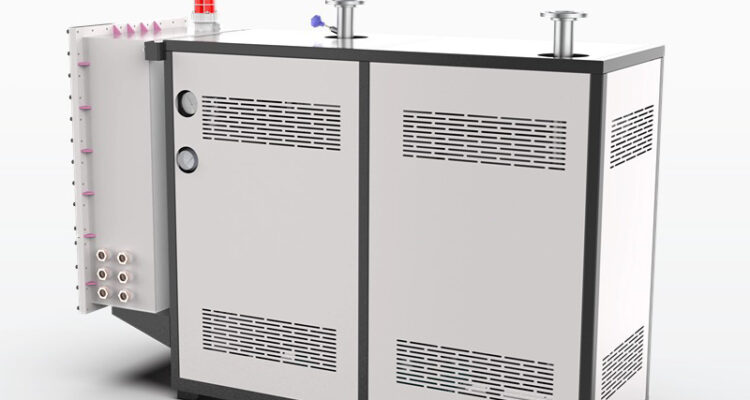
thermal oil heater troubleshooting tips
Thermal Oil Heater Troubleshooting Tips
Thermal oil heaters are widely used in industrial heating systems because they provide stable heat transfer and reliable high-temperature operation. However, long operating hours, improper maintenance, or unstable working conditions may lead to equipment problems that affect heating efficiency and production stability.
Understanding common thermal oil heater troubleshooting tips helps operators identify faults quickly, reduce downtime, and maintain safe industrial operation. Early diagnosis is important because small system problems can gradually develop into serious equipment failures if ignored.
Common Thermal Oil Heater Startup Problems
Startup issues are among the most frequently reported operational problems in industrial heating systems.
Burner Fails to Ignite
If the burner does not ignite during startup, several conditions should be checked immediately.
Possible causes include:
- Insufficient fuel supply
- Faulty ignition electrode
- Air supply blockage
- Flame sensor malfunction
- Electrical connection failure
Operators should inspect the ignition system carefully and confirm that fuel pressure and combustion airflow remain within the correct operating range.
Circulation Pump Does Not Start
The circulation pump must operate before burner ignition begins. If the pump fails to start, thermal oil circulation stops and overheating risk increases rapidly.
Common reasons may include:
- Motor overload
- Electrical power interruption
- Pump bearing damage
- Air trapped inside the pump
- Incorrect rotation direction
Pump vibration and unusual noise may also indicate internal mechanical problems.
Abnormal Temperature Rise During Startup
If temperature rises too quickly during startup, circulation flow may be insufficient.
Potential causes include:
- Blocked pipeline
- Closed valve
- Low thermal oil level
- Pump performance reduction
- Excessive sludge inside the system
Operators should reduce heating intensity immediately and inspect circulation conditions before continuing operation.
Troubleshooting Temperature Control Problems
Stable temperature control is essential for safe and efficient industrial heating.
Outlet Temperature Fluctuation
Unstable outlet temperature often indicates problems with combustion control or circulation stability.
Possible reasons include:
- Burner adjustment issues
- Faulty temperature sensor
- Unstable fuel supply
- Variable oil circulation rate
- Thermal oil degradation
Routine sensor calibration and burner inspection help maintain stable temperature performance.
Heater Cannot Reach Target Temperature
If the thermal oil heater struggles to achieve the required operating temperature, heat transfer efficiency may be reduced.
This condition may result from:
- Low combustion efficiency
- Carbon buildup inside the heater coil
- Damaged insulation
- Excessive heat loss
- Poor thermal oil condition
Checking burner performance and cleaning heat transfer surfaces may improve heating capacity.
Overheating Alarm Activation
High-temperature alarms should never be ignored during operation.
Common causes include:
- Circulation pump failure
- Low oil flow
- Blocked pipelines
- Faulty control system
- Excessive burner output
The system should be shut down immediately if overheating conditions continue.
Thermal Oil Circulation Problems
Stable circulation is critical for safe heat transfer inside the heating system.
Low Circulation Flow
Reduced oil flow may increase localized overheating and decrease heat transfer efficiency.
Possible causes include:
- Dirty filters
- Blocked valves
- Pump wear
- Thermal oil sludge formation
- Air pockets inside pipelines
Operators should inspect the entire circulation path and clean restricted components if necessary.
Pump Cavitation
Pump cavitation often produces abnormal vibration and loud noise during operation.
This problem may occur because of:
- Low oil level
- Air entering the system
- High oil viscosity
- Excessive pump suction resistance
Long-term cavitation can damage pump components and reduce circulation stability.
Uneven Heat Distribution
If industrial equipment receives uneven heating, circulation imbalance may exist within the system.
Potential reasons include:
- Improper pipeline layout
- Partially blocked pipelines
- Insufficient pump capacity
- Air accumulation inside the system
Flow balancing adjustments may help restore uniform heat transfer.
Combustion System Troubleshooting
Efficient combustion directly affects heating performance and fuel consumption.
Excessive Smoke Emission
Dark smoke from the exhaust system usually indicates incomplete combustion.
Possible causes include:
- Insufficient combustion air
- Dirty burner nozzle
- Poor fuel atomization
- Incorrect burner adjustment
Cleaning the burner assembly and adjusting the air-to-fuel ratio often improve combustion quality.
Unstable Burner Flame
An unstable flame may flicker, pulsate, or shut down unexpectedly during operation.
Common reasons include:
- Fuel pressure fluctuation
- Air intake blockage
- Ignition system malfunction
- Damaged flame sensor
Stable flame conditions are necessary for consistent heat generation and safe operation.
Increased Fuel Consumption
Higher fuel usage may indicate reduced heating efficiency.
Possible contributing factors include:
- Heat loss from damaged insulation
- Incomplete combustion
- Carbon buildup inside the heater
- Excessive operating temperature
- Poor thermal oil quality
Routine maintenance helps reduce unnecessary fuel waste.
Thermal Oil Related Problems
Thermal oil condition directly affects system reliability and heating efficiency.
Thermal Oil Oxidation
Oxidized thermal oil becomes darker and may develop sludge or carbon particles.
Oxidation may occur due to:
- Excessive operating temperature
- Air exposure inside the expansion tank
- Long-term continuous operation
- Poor maintenance practices
Regular oil analysis helps detect degradation before serious circulation problems develop.
Carbon Deposit Formation
Carbon deposits inside heater coils reduce heat transfer efficiency and increase overheating risk.
This condition is often caused by:
- Low circulation flow
- Prolonged overheating
- Poor oil quality
- Inadequate system cleaning
Periodic cleaning helps restore proper thermal performance.
Moisture Contamination
Water contamination may create unstable circulation and sudden vapor formation during heating.
Moisture may enter the system through:
- Improper shutdown procedures
- Expansion tank exposure
- Pipeline leakage
- Incomplete system drying after maintenance
Moisture removal is essential before restarting the system.
Pressure and Leakage Troubleshooting
Pressure stability is important for maintaining safe operation.
Sudden Pressure Increase
Rapid pressure rise may indicate circulation blockage or overheating conditions.
Possible causes include:
- Closed valves
- Expansion tank malfunction
- Excessive thermal expansion
- Blocked pipelines
Pressure abnormalities should be investigated immediately.
Oil Leakage Around Connections
Leakage may occur around flanges, valves, pump seals, or welded joints.
Common causes include:
- Thermal expansion stress
- Loose connections
- Seal deterioration
- Pipe vibration
Small leaks should be repaired quickly to reduce fire risk and heat loss.
Expansion Tank Overflow
Overflow conditions may result from excessive oil volume or abnormal thermal expansion.
Operators should inspect:
- Oil level condition
- Expansion tank size
- Temperature stability
- Air vent operation
Correct expansion tank operation supports safer system performance.
Preventive Troubleshooting Practices
Preventive maintenance helps reduce unexpected thermal oil heater problems.
Perform Routine Inspection
Daily inspection helps identify abnormal conditions early.
Operators should monitor:
- Temperature readings
- Pressure stability
- Pump vibration
- Burner flame condition
- Exhaust appearance
- Oil leakage
Consistent monitoring improves operational reliability.
Maintain Proper Thermal Oil Quality
Routine oil sampling helps prevent circulation problems caused by oxidation or contamination.
Clean Heat Transfer Surfaces
Removing soot, sludge, and carbon deposits improves thermal efficiency and reduces overheating risk.
Test Safety Protection Devices
Emergency shutdown systems, alarms, and temperature protection devices should be tested regularly to ensure proper operation during abnormal conditions.
Related Posts