Accurately calculating the required heating capacity for a thermal oil heater is a foundational step…
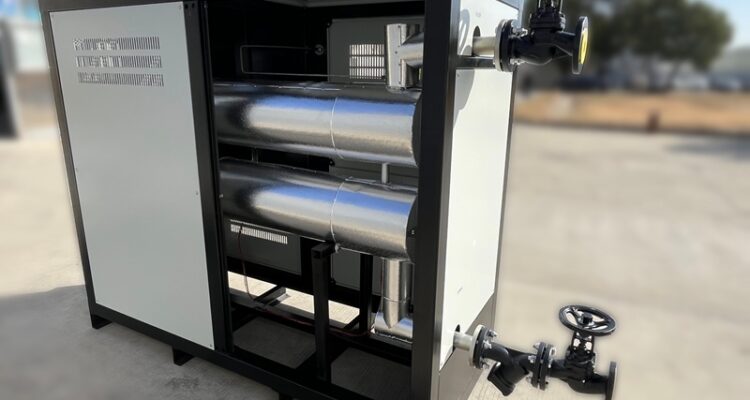
thermal oil heater automatic control system
Thermal Oil Heater Automatic Control System: How It Works and Why It Matters
Running a thermal oil heater manually is like driving a car with no cruise control — you can do it, but you’ll burn out faster and waste more fuel than necessary. The automatic control system is the brain of the whole operation. It manages temperature, protects the equipment, and keeps the process running without someone standing over it 24 hours a day. When it works right, you forget it exists. When it fails, everything shuts down.
What the Automatic Control System Actually Does
The control system on a thermal oil heater isn’t just a thermostat. It’s a layered set of logic that manages the burner, the circulation pump, the expansion tank, and multiple safety functions simultaneously. The goal is simple: keep the oil at the set temperature without overheating, without wasting fuel, and without letting anything dangerous happen.
At its core, the system reads temperature from multiple points, compares those readings to the setpoint, and adjusts the burner output accordingly. But it also monitors flow rate, pressure, oil level in the expansion tank, and flame status. If any of those parameters go outside safe limits, the system takes action — usually by shutting the burner down before damage occurs.
This is what separates a properly controlled thermal oil heater from one that’s just a pot of hot oil with a flame underneath it.
Temperature Regulation Logic
The temperature control loop is the heart of the system. A sensor in the oil outlet sends a real-time temperature reading to the controller. The controller compares that reading to the setpoint and calculates how much burner output is needed to close the gap.
Most systems use a PID controller — proportional, integral, derivative. The proportional part reacts to the current error (how far the temperature is from the setpoint). The integral part accounts for accumulated error over time (if the temperature has been low for a while, it pushes harder). The derivative part anticipates future error based on the rate of change (if the temperature is rising fast, it backs off early to prevent overshoot).
Tuned correctly, a PID controller holds the oil temperature within a couple of degrees of the setpoint. Tuned poorly, the temperature swings wildly — overheating, then underheating, then overheating again. Most temperature problems in thermal oil heaters trace back to bad PID tuning, not hardware failure.
Safety Interlocks That Run in the Background
The safety system doesn’t wait for you to notice a problem. It acts before you even know something is wrong.
The high-temperature cutoff is the most critical. If the oil temperature exceeds a preset limit — usually 10 to 20 degrees above the normal setpoint — the controller kills the burner immediately. This happens regardless of what the main control loop is doing. The safety cutoff overrides everything.
There’s also a low-flow interlock. If the circulation pump stops or slows down, the oil stops moving through the heater. Stationary oil in contact with the burner tubes overheats rapidly and can crack the tubes or ignite the oil. The low-flow switch detects this and shuts the burner down within seconds.
Then there’s the flame failure protection. If the flame goes out — from a gas pressure drop, a igniter failure, or a draft problem — the controller detects no flame signal and cuts the gas valve. Without this, unburned gas accumulates in the combustion chamber and creates an explosion hazard.
These interlocks run silently in the background. You never see them unless something triggers them. But they’re the reason thermal oil heaters don’t blow up more often.
The Components That Make It All Work
The Controller and How It Thinks
The controller is usually a PLC (programmable logic controller) or a dedicated process controller. It’s not a simple on/off switch — it’s a small computer running control logic that evaluates dozens of inputs and makes decisions every few seconds.
The controller receives signals from temperature sensors, pressure transmitters, flow switches, level sensors, and flame detectors. It processes those signals against the programmed setpoints and sends output commands to the burner modulating valve, the circulation pump, and the alarm system.
Older systems use analog controllers with physical knobs and dials. Newer systems use digital controllers with touchscreens and data logging. The logic is the same — the interface is different. Digital controllers have an advantage: they log temperature trends, alarm history, and operating hours. That data is invaluable when you’re trying to figure out why the system behaved strangely last Tuesday.
Sensors and Transmitters — The Eyes and Ears
The controller is only as good as the data it receives. If the sensors are wrong, the controller makes wrong decisions.
The most common sensor on a thermal oil heater is the RTD (resistance temperature detector) or thermocouple in the oil outlet. This sensor tells the controller what the oil temperature actually is. If it drifts — and they all drift eventually — the controller thinks the oil is hotter or colder than it really is. The result is overheating or underheating, and neither one is good for the system.
Pressure transmitters monitor the oil pressure in the system. A drop in pressure can indicate a leak or a pump failure. A spike in pressure can mean a blockage in the line. The controller uses this data to decide whether it’s safe to keep the burner running.
Flow switches verify that the circulation pump is actually moving oil. No flow, no burner. It’s that simple. The flow switch is usually a paddle type or a differential pressure type, and it’s one of the most overlooked components in the system. When it fails, the heater won’t start — and most people blame the burner instead of the switch.
The Modulating Burner Valve
The modulating valve is what translates the controller’s decision into actual burner output. Instead of just on or off, the valve can open anywhere from 10 percent to 100 percent. This allows the burner to match the heat demand precisely.
When the oil temperature is below setpoint, the valve opens wider. When it’s close to setpoint, the valve narrows. When it reaches setpoint, the valve holds at whatever position keeps the temperature stable. This modulation saves fuel, reduces thermal stress on the burner tubes, and keeps the oil temperature steady.
A stuck valve — one that won’t open or won’t close — causes most of the temperature control problems in thermal oil heaters. The valve gets stuck from carbon buildup, from thermal cycling, or from a failed actuator. When the valve sticks open, the oil overheats. When it sticks closed, the oil never reaches temperature. Either way, the process suffers.
Common Control System Failures and What They Look Like
Sensor Drift Causes Silent Damage
Sensor drift is the most insidious problem in thermal oil heater control systems. The sensor doesn’t fail outright — it just gets less accurate over time. A temperature sensor that reads 5 degrees low tells the controller the oil is cooler than it actually is. The controller keeps the burner running harder to reach the setpoint. The oil gets hotter than it should. The tubes degrade faster. The oil breaks down sooner.
You won’t notice this until something breaks. The temperature display looks normal. The setpoint looks normal. But the actual oil temperature is 10 or 15 degrees higher than the display shows. By the time you catch it, the oil has degraded and the tubes are damaged.
Calibrate the sensors annually. Use a reference thermometer to verify the reading. If the sensor is off by more than 2 degrees, replace it. A ten-dollar sensor saves you ten thousand dollars in tube replacement.
The Controller Loses Its Mind After a Power Outage
Power outages confuse digital controllers. When power comes back, the controller might not restart in the right sequence. The pump might not start before the burner. The burner might fire before the flow is established. This is especially dangerous with thermal oil because stationary oil in the burner tubes can overheat in seconds.
Most modern controllers have a restart interlock that prevents the burner from firing until the pump is confirmed running. But older controllers or poorly configured systems don’t have this protection. If your heater doesn’t have a pump-first restart logic, add it. It’s a simple wiring change that prevents a serious accident.
After a power outage, always manually verify the startup sequence. Watch the pump start, confirm flow, then allow the burner to fire. Don’t just flip the switch and walk away.
Control Valve Actuator Fails Slowly
The actuator on the modulating valve is a small motor or solenoid that moves the valve to the correct position. When it starts to fail, the valve doesn’t respond quickly enough. The controller tells the valve to close, but the valve takes ten seconds instead of two. In those ten seconds, the oil temperature overshoots.
This causes temperature cycling — the oil heats up, the valve finally closes, the oil cools down, the valve opens again, and the cycle repeats. The temperature swings 20 or 30 degrees instead of staying within 5. The oil degrades faster, the process quality drops, and the burner tubes fatigue from thermal cycling.
Replace the actuator when the valve response time exceeds five seconds. Test it by commanding the valve to full open and full close and timing the movement. If it’s sluggish, the actuator is dying.
Why Automatic Control Beats Manual Operation Every Time
A manually operated thermal oil heater relies on someone watching the temperature gauge and adjusting the burner by hand. That works for about twenty minutes. Then the operator gets distracted, the temperature drifts, and someone pays for it — either in degraded oil, damaged tubes, or wasted fuel.
The automatic control system never gets distracted. It monitors every parameter, every second, and adjusts the burner output continuously. The oil temperature stays tight. The burner runs at the minimum output needed. Fuel consumption drops. Tube life extends. Oil change intervals get longer.
The upfront cost of a proper control system is higher than a manual setup. But the operating cost is dramatically lower. Over two or three years, the automatic system pays for itself in fuel savings alone. And the protection it provides against tube failure and oil degradation? That’s worth more than any fuel savings.
One Thing That Separates Good Installations From Bad Ones
The control system is only as reliable as the wiring and grounding. Thermal oil heater environments are harsh — high temperatures, vibration, and electrical noise from the burner igniter. A loose wire on a temperature sensor can cause random shutdowns. A ground loop can make the controller read garbage data. A vibration-cracked connector can kill the flame signal and shut the burner down for no reason.
Use shielded cable for all sensor wiring. Ground the shield at the controller end only. Secure every connector with wire loom and strain relief. Route the wiring away from the burner and the pump motor. These details don’t cost much, but they prevent 80 percent of the control system failures that show up in service calls.
A thermal oil heater with a good automatic control system runs itself. It holds temperature, it protects the equipment, and it tells you when something needs attention. The ones without proper control are time bombs — they work fine until they don’t, and when they fail, the failure is expensive.
Related Posts