Accurately calculating the required heating capacity for a thermal oil heater is a foundational step…
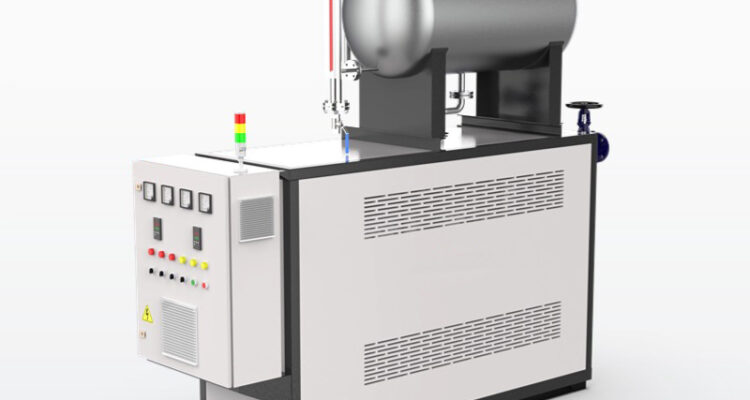
thermal oil heater daily inspection
Thermal Oil Heater Daily Inspection: What to Check Every Single Day Before You Start Up
Most thermal oil heater failures do not happen overnight. They happen over weeks of small issues that nobody noticed. A slow leak here. A rising temperature there. A pump making a sound it did not make yesterday. None of these things shut the system down immediately. But together, they build toward a catastrophe.
A daily inspection takes five to ten minutes. It catches problems before they become expensive repairs. And yet most operators skip it because they think “it was fine yesterday, so it will be fine today.”
It will not always be fine today. Check it anyway.
Why Daily Inspection Beats Monthly Inspection Every Time
A monthly inspection finds problems that are already serious. A daily inspection finds problems when they are still small. The difference between those two things is usually the difference between a ten-minute fix and a ten-thousand-dollar repair.
Thermal oil systems degrade gradually. The oil oxidizes a little more each day. The pump seals wear a tiny bit more each cycle. The heater tubes develop a thin layer of coke that builds up over time. None of this is visible during a monthly check. But during a daily check, you can see the early signs — a slight pressure drop, a change in oil color, a new sound from the pump.
Catching these early means you can address them before they cascade. A small leak becomes a big leak. A small coke buildup becomes a blockage. A slightly worn seal becomes a blown seal spraying oil everywhere. Daily inspection stops that cascade before it starts.
The Five Things You Must Check Every Morning
These are the non-negotiables. Do all five before you start the system. Skip one and you are gambling.
Check 1: Oil Level in the Expansion Tank
The expansion tank is where you see the oil level most clearly. It should be within the normal range — usually marked on the tank or visible through the sight glass.
If the level is low, something is wrong. Either the system is leaking, or the oil has degraded and lost volume. Do not just top it up and move on. Find out why the level dropped. A low oil level means the pump can cavitate, the heater can overheat, and the entire system can fail within hours.
If the level is high, the oil may have absorbed moisture. Water expands when heated. Too much water in the oil causes foaming, which reduces heat transfer and can damage the pump. Check the nitrogen pressure on the expansion tank — if it is low, air and moisture are getting in.
Check 2: Oil Color and Condition
Look at the oil. Not just the level — the actual color.
Fresh thermal oil is clear to light amber. As it degrades, it darkens. Light brown is still usable. Dark brown is getting close to the limit. Black means change the oil immediately.
Also look for anything floating in the oil. Particles, sludge, or a milky appearance all indicate contamination. Milky oil means water has gotten into the system. Particles mean the oil is breaking down internally. Sludge means you have been running degraded oil for too long and it is clogging your pipes.
You do not need a lab test for this. Your eyes are enough. If the oil looks wrong, it is wrong.
Check 3: Pump Sound and Vibration
Start the pump and listen. Not with your ears — with your whole body. Put your hand on the pump casing. Feel for vibration.
A healthy pump hums. It vibrates slightly. That is normal. What is not normal is a grinding sound, a clicking sound, or a vibration that feels different from yesterday.
Grinding means the bearings are wearing. Clicking means cavitation — the pump is not getting enough oil at the inlet. Unusual vibration means the impeller is damaged or the pump is misaligned. Any of these will destroy the pump within days if you ignore them.
If something sounds off, do not run the system. Investigate before you proceed.
Check 4: Pressure Readings
Check the system pressure at the pump outlet and the expansion tank. Both should be within the normal operating range.
If the pump outlet pressure is low, the pump is losing performance. The impeller may be worn, or there may be a blockage downstream. If the pressure is high, something is restricting flow — a partially closed valve, a clogged filter, or coke buildup in the heater.
The expansion tank pressure should match the nitrogen setpoint. If it is lower than expected, the nitrogen blanket is leaking. Air is entering the system. The oil is oxidizing. Fix the nitrogen pressure before you run the heater.
Write these numbers down. You do not need a fancy logbook — a notebook on the control panel works fine. Over time, you will notice trends. A slow pressure drop over weeks tells you something is wearing. A sudden drop tells you something just failed.
Check 5: Leaks Around the Pump and Valves
Walk around the pump. Look at the seals. Look at the flanges. Look at the valves.
A small drip is not an emergency, but it is a warning. Thermal oil at operating temperature is under pressure. A drip today is a stream tomorrow. And a stream of hot oil on the floor is a fire hazard, a slip hazard, and an environmental problem.
Check the pump mechanical seal first. This is the most common leak point. Look for oil on the floor directly under the pump. Then check the flange connections on the heater inlet and outlet. Then check the valve stems.
If you find a leak, tighten the packing or the flange bolts. If the leak persists, the seal needs replacing. Do not ignore it.
What to Look For During the First Hour of Operation
The daily inspection does not end when you start the system. The first hour of operation is where you catch the problems that do not show up when everything is cold.
Temperature Rise Rate
Watch how fast the oil heats up. A normal system should rise at a steady, predictable rate — usually 10 to 20 degrees per hour depending on the system size.
If the temperature rises too slowly, something is restricting heat transfer. Coke on the heater tubes. A partially blocked pipe. Low oil flow. If it rises too fast, the thermostat or the control system may be malfunctioning, and you could overshoot your target temperature.
An abnormal rise rate is one of the first signs of a developing problem. It is also one of the easiest to catch — you just watch the gauge for the first hour.
Burner or Heater Performance
If you are using a fired heater, watch the flame. It should be steady, blue at the base, and consistent. A yellow or orange flame means incomplete combustion. That means soot buildup, reduced efficiency, and potential damage to the heater tubes.
If you are using an electric heater, check that all elements are firing. A failed element means uneven heating, which creates hot spots in the oil. Hot spots degrade the oil faster and can cause localized overheating of the heater tubes.
Pump Behavior Under Load
Once the oil is hot and circulating, go back to the pump. Listen again. Feel again.
A pump that sounds fine when cold can sound terrible when hot. Heat expands clearances. Worn bearings get worse. Cavitation gets worse. If the pump is making any new noise under load, shut it down and investigate.
The Inspection Items People Always Forget
These are not as critical as the five main checks, but they catch problems that the main checks miss.
The Nitrogen Cylinder Pressure
Check the nitrogen cylinder that feeds the expansion tank. If it is running low, you will lose the blanket within days. When the blanket goes, air enters. When air enters, the oil oxidizes. When the oil oxidizes, everything gets worse.
Keep a spare nitrogen cylinder on site. Change it before the current one runs out. A empty cylinder with no spare means unprotected oil, and unprotected oil is degraded oil.
The Flue Gas Temperature
For fired heaters, the flue gas temperature tells you how efficiently the burner is running. A high flue gas temperature means heat is going up the stack instead of into the oil. That is wasted fuel and a sign of poor combustion.
A sudden change in flue gas temperature means something has changed in the burner or the heater tubes. Coke buildup on the tubes reduces heat transfer, which raises the flue gas temperature. Catch it early and you can clean the tubes before efficiency drops further.
The Force Draft and Induced Draft Fans
Check that both fans are running. If the forced draft fan fails, the burner gets no air and combustion stops. If the induced draft fan fails, flue gas backs up into the heater. Both are dangerous.
Listen for unusual noise from the fans. A bearing going bad in a draft fan sounds like a high-pitched whine that gets louder over time. Replace the fan before it seizes — a seized fan mid-operation can cause a dangerous pressure buildup in the combustion chamber.
How to Build a Daily Inspection Habit That Actually Sticks
The problem with daily inspections is not that they are hard. They are not. The problem is that people forget. Or they rush through them. Or they skip them on busy days.
The fix is simple: put a checklist on the control panel. Laminated. With a dry-erase marker next to it. Every morning, go through the five main checks, mark them off, write down the pressure and temperature readings, and sign it.
It takes five minutes. The signature creates accountability. And over time, the log becomes the most valuable document you have — because it tells you what normal looks like, which means you notice abnormal faster.
Do not rely on memory. Memory fails. A checklist does not.
The Inspection That Takes Thirty Seconds and Saves Thousands
Look at the oil color every single day. That is it. Thirty seconds.
If the oil is clear to light amber, you are fine. If it is dark brown, start planning an oil change. If it is black or milky, shut the system down and call a technician.
This one check catches the most expensive problems — oil degradation, water contamination, and thermal breakdown — before they destroy your heater. It is the highest-return inspection you can do, and it takes less time than pouring your coffee.
Do it every morning. Before you start anything. Look at the oil. Then decide if the system is safe to run.
Related Posts