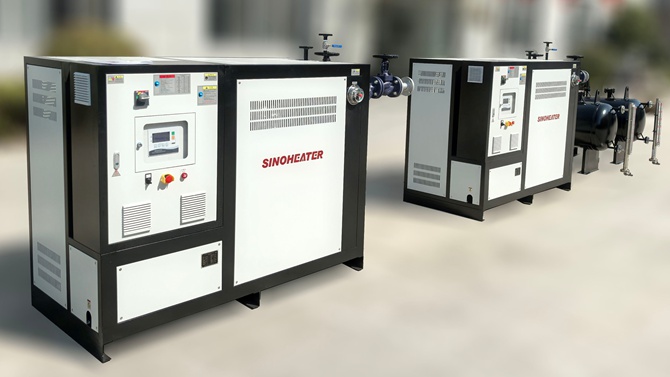
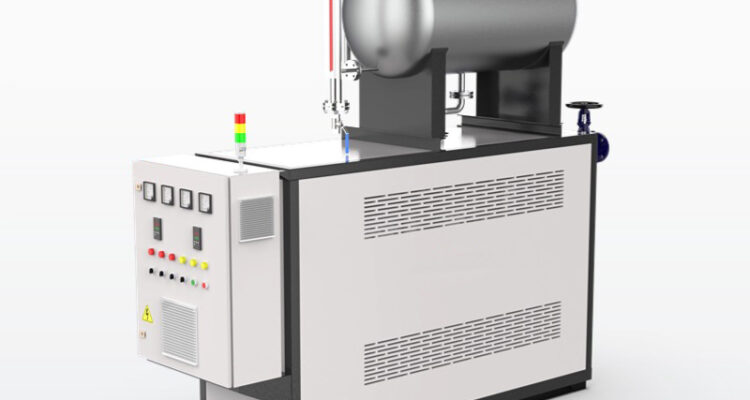
Asphalt plant operations rely on consistent, reliable high-temperature heat to keep aggregate drying, bitumen storage,…
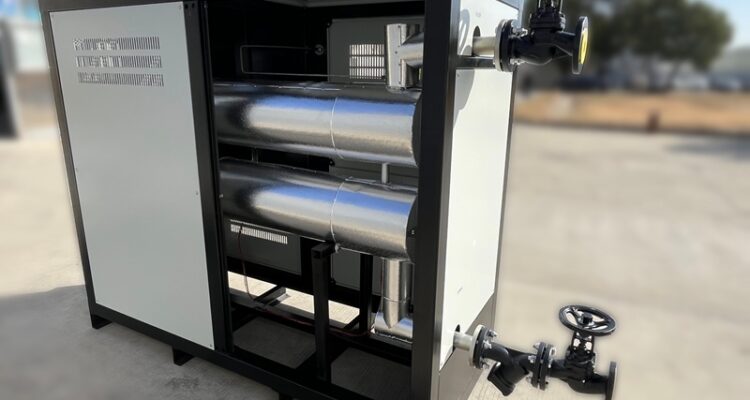
thermal oil heater overheating causes
Thermal Oil Heater Overheating: What Actually Causes It and Why It Keeps Happening
A thermal oil heater that overheats is not just an inconvenience — it is a ticking time bomb. Overheating degrades the heat transfer fluid, damages the heating elements, triggers safety shutdowns, and in worst-case scenarios, leads to fires or explosions. Understanding why it happens is the first step to preventing it from destroying your system.
The Most Common Causes of Overheating in Thermal Oil Heaters
Flow Rate Drops Below the Minimum Threshold
This is the number one cause, and it shows up more often than any other. When the circulation pump slows down, stops, or runs at reduced capacity, the thermal oil stops moving through the system fast enough to carry heat away from the heating coils. The fluid sitting in the heater gets trapped, temperature spikes, and the thermostat cannot respond quickly enough because the sensor reads the bulk temperature, not the local hot spot near the coil.
Flow rate can drop for many reasons. A worn pump impeller loses efficiency over time. A clogged strainer or filter restricts the line. Air locks in the system create pockets where oil does not circulate at all. Valves that are partially closed — sometimes by accident, sometimes by maintenance crews who forgot to reopen them — starve the heater of flow. Even a small reduction in flow, say 10 to 15 percent below design, can push the outlet temperature well above safe limits within minutes.
The rule of thumb is simple: if the flow stops, the heater must shut down immediately. Most modern systems have a flow switch that does exactly this. But if that switch fails or is bypassed, the heater will cook itself alive.
Thermal Oil Degradation and Carbon Buildup
Over time, thermal oil breaks down. Oxidation, thermal cracking, and contamination all produce carbon deposits — a hard, black sludge that coats the inside of the heating coils and the walls of the heater vessel. This layer of carbon acts as an insulator. Heat from the burner or electric elements cannot transfer efficiently into the oil. Instead, the metal surface temperature climbs higher and higher while the oil temperature reads normal or only slightly elevated.
This is dangerous because the thermocouple or RTD sensor sitting in the oil does not see the real problem. The oil might read 300 degrees Celsius, but the metal surface behind the carbon layer could be pushing 400 or more. The oil cracks further, produces more carbon, the insulation gets thicker, and the cycle accelerates until the tube fails.
Regular oil analysis catches this early. When the total acid number climbs, the viscosity shifts, or the flash point drops, it is time to change the oil before the carbon problem spirals out of control.
System Design Flaws That Lead to Overheating
Undersized Heater for the Application
Putting a heater that is too small for the required heat duty sounds obvious, but it happens constantly. When a process demands more heat than the heater can deliver at its rated flow rate, the system compensates by reducing flow to increase the temperature rise across the heater. Less flow means less cooling of the heating elements, which means higher metal temperatures, which means faster oil degradation, which means more carbon, which means even worse heat transfer. It is a death spiral that starts with a simple sizing error.
The heater must be sized for the maximum heat demand at the minimum acceptable flow rate. Not the average. Not the design point. The worst-case combination.
Poor Expansion Tank Design or Placement
The expansion tank is not just a reservoir — it is the pressure regulation point for the entire system. If the expansion tank is too small, too far from the heater, or filled with nitrogen at the wrong pressure, the system pressure fluctuates wildly. When pressure drops, the oil boils locally inside the heater coils even though the bulk temperature is below the boiling point. This is called hot spot boiling, and it destroys the oil instantly at the point of contact.
The expansion tank must be sized for at least 30 to 50 percent of the total oil volume, located as close to the heater inlet as possible, and pre-charged with nitrogen to the correct pressure based on the system’s cold-fill temperature. Getting this wrong is one of the most common design mistakes in thermal oil systems.
Incorrect Thermocouple or Sensor Placement
If the temperature sensor is not placed where it can actually detect overheating, the control system is blind. A sensor located in the outlet pipe far from the heater might read a perfectly normal temperature while the oil inside the coils is already cracking. Sensors must be placed in the heater outlet as close to the vessel as possible, and ideally a second sensor should monitor the flue gas or element surface temperature directly.
Operational Mistakes That Trigger Overheating
Starting the Heater Without Circulation
This sounds basic, but it happens. Operators start the burner before the pump, or the pump fails after startup and nobody notices. During that window — even if it is only 30 seconds — the oil in the heater is static and heating rapidly. The damage is immediate. The oil at the coil surface exceeds its film temperature, cracks, and leaves carbon behind. One mistake like this can reduce the oil’s remaining life by months.
The correct startup sequence is always: start the pump, verify flow, wait for stable circulation, then ignite the burner. The shutdown sequence is the reverse: cut the burner, keep the pump running until the oil temperature drops below 100 degrees Celsius, then stop the pump.
Running the Heater Above Its Design Temperature
Every thermal oil has a maximum recommended film temperature — the temperature of the oil at the heated surface, not the bulk outlet temperature. When operators push the setpoint above this limit to squeeze more heat out of the system, they are accelerating degradation exponentially. The relationship is not linear. A 10-degree increase above the recommended film temperature can cut the oil’s life in half.
Most overheating incidents in the field trace back to someone turning up the setpoint because the process needed more heat, without understanding that the oil was already at its limit.
Ignoring Alarms and Bypassing Safety Controls
Modern thermal oil heaters have multiple layers of protection — high-temperature alarms, low-flow shutdowns, high-pressure trips, and flame failure safeguards. When these alarms go off repeatedly, some operators bypass them instead of fixing the root cause. A bypassed low-flow switch means the heater can overheat with no protection. A disabled high-temperature alarm means nobody gets warned until the oil is already cracking. These shortcuts turn a manageable problem into a catastrophe.
How to Tell Overheating Is Happening Before It Gets Bad
Watch the flue gas temperature. If it climbs steadily over days or weeks while the process heat demand has not changed, carbon is building up on the coils and heat transfer is dropping. Check the pressure drop across the heater — a rising delta-P means the flow path is narrowing from sludge or carbon. Monitor the oil color — fresh thermal oil is clear and light. Dark, thick oil means degradation is already advanced. And listen to the pump. A cavitating or straining pump is often the first sign that flow is dropping, long before the temperature alarm triggers.
Related Posts