Accurately calculating the required heating capacity for a thermal oil heater is a foundational step…
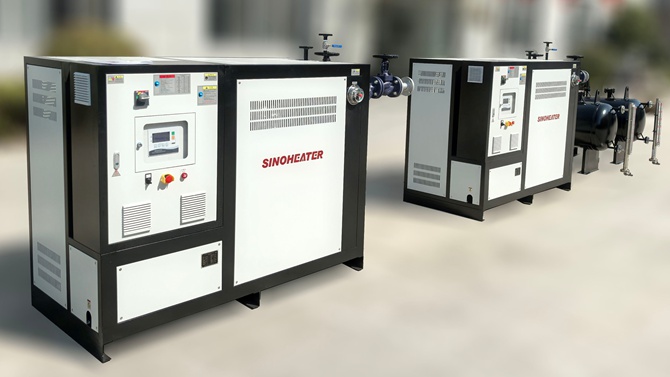
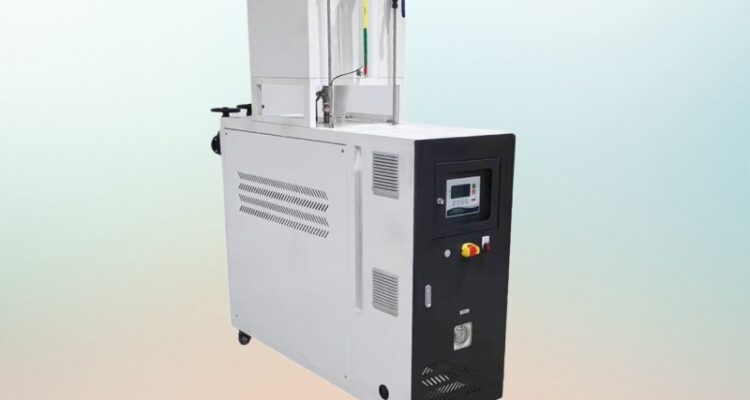
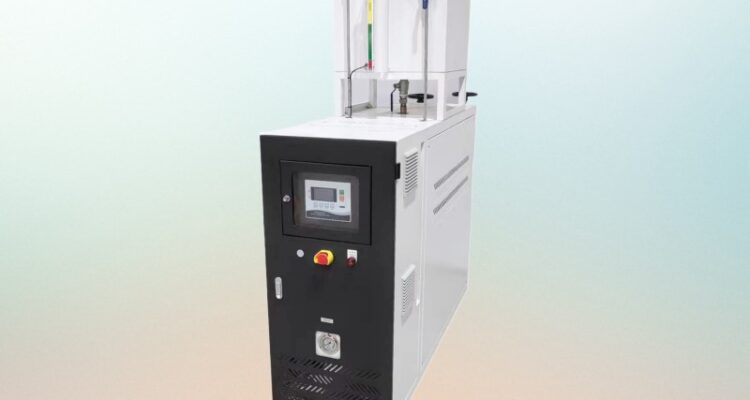
thermal oil heater vertical type
Thermal Oil Heater Vertical Type: When Footprint Matters More Than Anything Else
Space constraints do strange things to engineering decisions. When a plant room is too small for a horizontal heater, or when a skid needs to fit on a single truck bed, or when a rooftop installation has strict height limits, the vertical thermal oil heater becomes the only realistic option. It has been around almost as long as the horizontal type, and it solves a very specific problem: delivering the same thermal output in a fraction of the floor space. But vertical heaters are not just horizontal heaters stood on end. The tube arrangement, the burner placement, the flue gas path, and the maintenance access all change in ways that matter. Get those details wrong and the heater underperforms, fouls faster, or becomes impossible to service.
How a Vertical Thermal Oil Heater Actually Works
The basic principle is identical to any thermal oil heater. Fuel burns in a firebox, heat transfers to tubes carrying thermal oil, and the hot oil circulates to the process. The difference is geometry.
In a vertical heater, the tubes run up and down inside a tall, narrow firebox. The burner sits at the bottom, and the flame rises upward through the tube bank. Hot flue gas travels vertically past the tubes, giving up heat as it goes. The oil flows through the tubes — usually in a single pass from bottom to top — and exits at the top of the heater.
This vertical flow pattern changes everything about how the heater behaves. The flue gas rises naturally, which means you do not need a fan to push it through the tube bank in some designs. Natural draft vertical heaters exist, though most modern systems use forced draft for better control. The oil flows upward against gravity in some configurations, which requires careful pump sizing to ensure adequate flow velocity at the top of the tubes.
The firebox itself is tall and narrow. The walls are usually water-cooled membrane panels on the sides and rear, with refractory lining on the front wall where the burner sits. The roof of the firebox handles the hottest zone, right above the burner where the flame is most intense.
Tube Arrangement and Flow Patterns
Single Pass Vertical Flow
Most vertical thermal oil heaters use a single pass design. The oil enters at the bottom of the tube bank, flows straight up through all the tubes, and exits at the top. This is the simplest arrangement and it works well for moderate temperature rises.
The advantage of single pass vertical flow is low pressure drop. The oil travels in one direction without changing course. No U-bends, no return headers, no flow reversals. This means the pump does not have to work as hard, which reduces energy consumption and extends pump life.
The downside is limited heat transfer surface per unit of firebox volume. Because the tubes run straight up, you cannot pack as many rows of tubes into a vertical firebox as you can into a horizontal one. For high-capacity applications above 2 MW, a single pass vertical heater may need to be very tall, which creates headroom problems in the installation space.
Multi Pass and Coiled Tube Options
Some vertical heaters use multi pass designs to increase heating surface without making the heater taller. The oil enters at the bottom, flows up through one set of tubes, hits a return header at the top, flows back down through a second set of tubes, and exits at the bottom. This doubles the tube surface in the same firebox height.
The trade-off is pressure drop. Every time the oil changes direction, it loses pressure. A two-pass vertical heater has roughly double the pressure drop of a single pass design. The pump must be sized accordingly, which adds cost and energy consumption.
Coiled tube vertical heaters take a different approach. Instead of straight tubes running the full height of the firebox, the oil flows through a spiral or helical coil. This packs more heating surface into a shorter vertical space. Coiled tubes are common in electric vertical heaters where the heating element sits inside the coil. They are also used in some fired designs where headroom is extremely limited.
Coiled tubes have higher pressure drop than straight tubes. The oil fights friction as it winds through the coil. For systems above 500 kW, the pressure drop can become a limiting factor. Cleaning coiled tubes is also harder — a mechanical brush or high-pressure jet cannot navigate a coil as easily as it runs through a straight pipe. Plan for chemical cleaning if you use coiled tubes.
Burner Placement and Flame Behavior in Vertical Heaters
Bottom-Mounted Burner Design
The burner in a vertical heater sits at the bottom of the firebox, usually on the front wall. The flame projects upward into the tube bank. This is the most common configuration and it works well for most fuels.
A bottom-mounted burner gives the flame a long vertical path through the tubes. The flame starts concentrated at the bottom and spreads out as it rises. This means the lower tubes get more heat than the upper tubes, which can create uneven tube wear over time. The lower tubes foul faster, the lower tubes thin faster, and the lower tubes fail first.
To manage this, some designs use staged burners or multiple burners at different heights. A lower burner handles the base load, and an upper burner kicks in when more heat is needed. This distributes the heat more evenly across the tube bank and extends tube life.
Side-Mounted Burner Alternatives
Some vertical heaters use side-mounted burners instead of bottom-mounted ones. The burner sits on one of the side walls of the firebox and fires horizontally across the tube bank. This gives a more even heat distribution across the width of the tubes compared to a bottom burner that concentrates heat at the base.
Side-mounted burners are common in smaller vertical heaters where the firebox is not tall enough for a bottom burner to create an effective flame pattern. They are also used in electric vertical heaters where there is no flame at all — the heating element simply sits at the bottom of the tube bank.
The challenge with side-mounted burners is flame impingement. If the flame hits the tubes directly instead of sweeping across them, it creates hot spots that accelerate tube fatigue. The burner nozzle must be angled correctly, and the flame shape must be tuned to avoid direct tube contact.
Why Choose Vertical Over Horizontal
Floor Space Savings
This is the number one reason people specify vertical heaters. A vertical heater can reduce the floor footprint by 40% to 60% compared to a horizontal heater of the same capacity. Instead of spreading tubes across a wide firebox, you stack them in a tall, narrow column.
For rooftop installations, this matters enormously. Rooftop space is limited, and structural load limits often restrict how much weight you can put on the roof. A vertical heater concentrates the load into a smaller area, which can actually be easier to support structurally than a long, wide horizontal heater.
For skid-mounted systems, a vertical heater fits on a narrower skid. That means the skid can ship on a standard truck bed instead of requiring an oversize load permit. The installation cost drops, the delivery cost drops, and the whole project stays on schedule.
Natural Draft Potential
Vertical heaters can operate on natural draft in some cases. Because the flue gas rises naturally, you do not always need a forced draft fan. This eliminates the fan, the fan motor, the fan control system, and the electricity to run them. For small heaters under 500 kW, natural draft vertical designs are simple, reliable, and cheap to operate.
The catch is that natural draft only works when the flue gas temperature is high enough to create sufficient buoyancy. At low fire rates or with low-temperature fuels, the draft may not be strong enough to pull the flue gas through the tube bank. Forced draft is more reliable but adds complexity and cost.
Easier Oil Drainage on Shutdown
When a vertical heater shuts down, the oil drains back down through the tubes by gravity. This means the tubes empty faster than in a horizontal heater where oil can pool in low spots. Faster drainage means less oil sitting in hot tubes, which means less thermal cracking during cooldown.
This sounds like a small benefit, but it adds up over time. Oil that sits in tubes above 300°C degrades rapidly. Every minute that oil sits in a hot tube after shutdown, it forms sludge and coke. A vertical heater that drains in 10 minutes is better for oil life than a horizontal heater that takes 30 minutes to drain completely.
Challenges Specific to Vertical Heaters
Tube Cleaning Is Harder
This is the biggest drawback of the vertical type. The tubes run straight up, and in many designs, you cannot pull a cleaning tool through them from top to bottom. The tool has to be fed in from the top and pushed down, which is awkward and limits the types of cleaning equipment you can use.
In a horizontal heater, you push a brush or a water jet through the tube from one end to the other. Simple, fast, effective. In a vertical heater, gravity works against you. The cleaning tool tends to fall rather than move smoothly through the tube. You end up using lighter tools, shorter strokes, and more frequent cleanings to compensate.
For fired systems where tube fouling is a concern — diesel, biomass, heavy oil — this is a real problem. A vertical heater in a dirty fuel application may need cleaning every 4 to 6 weeks instead of every 3 to 6 months. If your maintenance crew cannot handle that frequency, a vertical heater is not the right choice.
Uneven Tube Wear
The lower tubes in a vertical heater always see more heat than the upper tubes. The flame is hottest at the bottom, and the flue gas cools as it rises. This means the lower tubes foul faster, thin faster, and fail first.
Over time, you end up replacing the lower tubes more often than the upper ones. This is not a design flaw — it is physics. But it means your maintenance schedule must account for uneven tube life. Inspect the lower tubes more frequently. Keep spare tubes on hand. Budget for more frequent tube replacements.
Some designs mitigate this with baffles inside the firebox that redirect the flue gas upward more evenly. Others use multiple burners at different heights to distribute the heat. These help, but they do not eliminate the problem entirely.
Headroom Requirements
A vertical heater is tall. For a 1 MW system, the firebox may be 4 to 6 meters tall. For a 2 MW system, it can be 7 to 9 meters. This creates headroom requirements that may not exist in your plant room.
If the ceiling is too low, you cannot install a vertical heater. Period. This is why vertical heaters are common on rooftops — there is no ceiling — but rare in basement-level plant rooms. Check your available headroom before specifying a vertical type.
The tall firebox also creates access issues. The top of the tube bank may be 5 meters above the floor. Inspecting those tubes requires a ladder or a platform. Cleaning them requires special equipment. If your maintenance team is not equipped to work at height, the vertical heater will not get the maintenance it needs.
Installation Considerations for Vertical Heaters
Foundation and Skid Design
The skid frame for a vertical heater must handle a tall, narrow load. The center of gravity is higher than on a horizontal heater, which makes the skid more prone to tipping if not anchored properly. Use a wide base frame with outriggers or anchor bolts to resist overturning.
The frame must also be stiff enough to resist deflection under the concentrated load. A vertical heater puts all its weight on a small footprint. The skid frame must distribute that load evenly to the foundation. A weak frame flexes, which misaligns the pipe connections and stresses the tube sheet welds.
Piping Connections
The oil inlet and outlet on a vertical heater are usually at the bottom. The expansion tank must sit above the heater — typically on top of the firebox or on a riser attached to the heater. This is the opposite of some horizontal heater layouts where the tank sits to the side.
Pipe runs from the heater to the pump and tank must include expansion loops. Even short pipe runs at 300°C grow significantly. A 1-meter pipe can grow 3 to 4mm from cold to hot. Without a loop, that growth buckles the pipe or cracks the flange gasket.
Use sliding supports on all pipe runs. Fixed supports go at anchor points near the heater and the tank. Everything between anchors must slide. Vertical heaters have more thermal movement per unit of pipe length because the temperature differential is often higher — the oil enters cold at the bottom and leaves hot at the top.
Burner Air Supply
The burner on a vertical heater needs combustion air from below or from the side. If the air intake is below the burner, the duct must be routed under the skid or through the foundation. This adds complexity to the installation.
If the air intake is from the side, the duct must be clear of obstructions. Do not place the heater against a wall with no air gap. The burner needs at least 1 meter of clear space on the air intake side. Blocked air intake causes the burner to run rich, which produces soot, wastes fuel, and foules the tubes faster.
Maintenance Realities of Vertical Heaters
Tube Inspection Frequency
Inspect tubes in a vertical heater every 3 months if the fuel is dirty. Every 6 months if the fuel is clean gas. Use a borescope to look inside the tubes from the top. An ultrasonic thickness gauge tells you how much wall is left.
Pay special attention to the lower tubes. They wear faster. If the lower tubes are below minimum wall thickness, replace them before they fail. A tube failure in a vertical heater dumps hot oil downward onto the burner, which is a fire scenario you want to avoid.
Burner Maintenance
The burner on a vertical heater is harder to access than on a horizontal one. The bottom of the firebox is a tight space. Removing the burner for nozzle replacement or tuning requires working in a confined area.
Design the firebox with removable panels so you can reach the burner without dismantling the entire heater. If the firebox is fully enclosed with no access panels, you will skip maintenance because it is too difficult. Skipped maintenance leads to poor combustion, which leads to tube fouling, which leads to unplanned shutdowns.
Clean the burner nozzle every 500 operating hours. Check the flame pattern every 250 hours. A bad flame pattern means uneven heat distribution, which means uneven tube wear.
Oil Management
Vertical heaters drain oil faster on shutdown, which is good for oil life. But they also hold less oil in the tubes at any given time, which means the oil heats up faster during startup. Faster heat-up is good for productivity but bad for the oil if the ramp rate is too aggressive.
Limit the startup ramp rate to 50°C per hour maximum. Faster ramp rates cause thermal shock to the oil, which cracks it and forms sludge. The vertical heater’s compact oil volume makes it more sensitive to ramp rate than a large horizontal heater with more oil mass to absorb the heat.
Change the oil every 2 to 4 years depending on operating temperature. Test the oil every 6 months. Look for viscosity increase, acid number rise, and sludge formation. Vertical heaters in dirty fuel applications may need more frequent oil changes because the tubes foul faster and the oil degrades quicker.
When Vertical Type Makes Sense and When It Does Not
Go vertical when floor space is the primary constraint. Rooftop installations, skid-mounted systems, retrofit projects with limited plant room — these are ideal for vertical heaters.
Go vertical when the heating load is under 2 MW. Above that, the vertical heater gets too tall and the maintenance burden becomes unacceptable.
Go vertical when the fuel is clean. Gas fired vertical heaters work well because tube fouling is minimal, so the harder-to-clean tubes are not a problem.
Do not go vertical when the fuel is dirty. Diesel, biomass, and heavy oil foul tubes fast. A vertical heater with dirty fuel and hard-to-clean tubes is a recipe for chronic fouling and high maintenance costs.
Do not go vertical when headroom is limited. If your ceiling is under 4 meters, a vertical heater will not fit. Measure before you specify.
Do not go vertical when your maintenance team cannot work at height. If the top of the tube bank is 5 meters up and you do not have ladders, platforms, or lift equipment, the heater will not get the maintenance it needs.
The vertical thermal oil heater is a space-saving solution that works brilliantly when the application matches its strengths. It fails when people specify it for space reasons and then ignore the maintenance realities. The tubes are harder to clean, the lower tubes wear faster, and the headroom requirements are real. Accept those trade-offs at the design stage, plan for them in the maintenance budget, and the vertical type delivers reliable heat in a footprint that nothing else can match.
Related Posts