Accurately calculating the required heating capacity for a thermal oil heater is a foundational step…
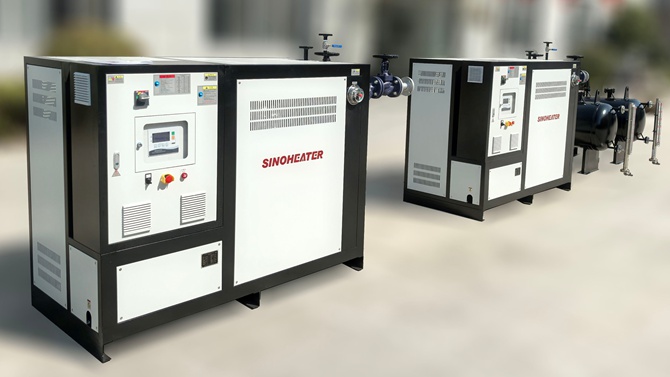
thermal oil heater industrial applications
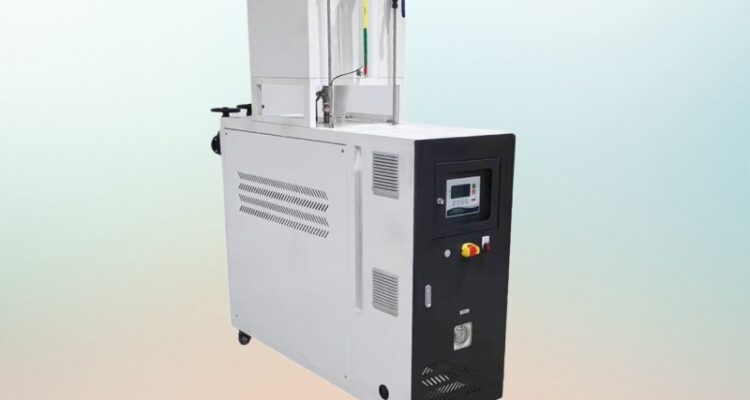
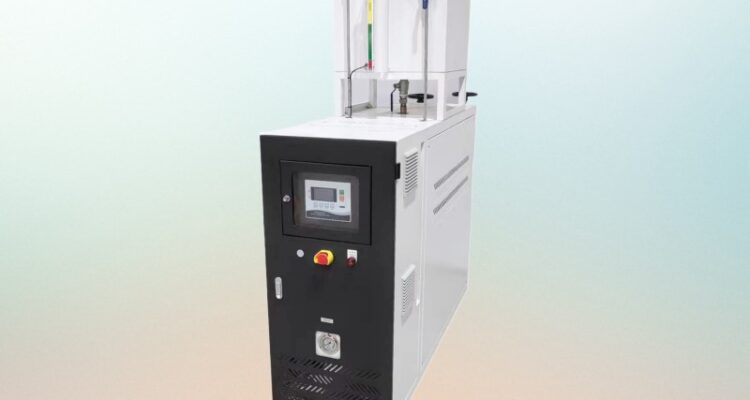
If you walk through any modern manufacturing floor, you will find a hidden workhorse quietly powering consistent, high-temperature operations across dozens of processes. This is the thermal oil heater, a closed-loop heat transfer system that uses thermal fluid to deliver stable, precise heat without the high pressure that comes with traditional steam boilers. Unlike steam-based systems that require constant monitoring for phase changes and pressure spikes, these units keep the heat transfer fluid in a liquid state even at extreme temperatures, making them a reliable fit for heavy-duty industrial use across nearly every production sector.
Core Industrial Use Cases Across Key Sectors
In the plastics and rubber processing space, consistent temperature control is non-negotiable for high-quality output. These systems deliver steady heat to molds, extruders and calendar rolls, ensuring even material flow during compression molding, vulcanization and continuous extrusion. This eliminates uneven cooling or overheating that causes product warping, surface defects or structural weakness in finished plastic parts, rubber sheets and composite materials. For precision molding operations that hold tight tolerance requirements, the stable heat output cuts down on rejected batches and reduces unplanned downtime during long production runs.
The chemical and petrochemical industries lean heavily on these heating systems for processes that demand controlled, uniform heat across extended timelines. They support reactor heating during polymerization, condensation and distillation work, maintain consistent temperatures during fatty acid processing, and provide reliable heat for evaporation and dehydration steps. Many facilities use them for heat transfer in amine re-heating and other heat exchange workflows, where avoiding sudden temperature swings prevents unwanted chemical reactions, preserves batch consistency and keeps operations running safely at low operating pressure.
Textile and finishing operations rely on these units to power stenter machines, drying lines and heat setting rollers. The even, distributed heat ensures fabrics stretch, dry and set at a consistent temperature across the full width of the material, locking in dimensional stability and preventing uneven shrinkage that ruins finished rolls of fabric. They also support thermal dyeing processes and non-woven production lines, where steady heat eliminates color variation and weak spots in the final textile product, even during days of non-stop operation.
Niche Applications That Drive Operational Efficiency
Food processing facilities use these systems for consistent, gentle heat during large-scale frying, ingredient simmering and sauce holding workflows. The uniform heat distribution prevents localized burning that ruins bulk batches of cooked goods, while the closed-loop design keeps heat steady for hours without constant manual adjustment. Many plants integrate them into oven heating systems and jacketed kettle lines, where quiet, low-maintenance operation fits smoothly into busy food production schedules without disrupting daily workflow.
In the wood and construction material sector, these heating systems deliver reliable heat for hot presses used in plywood, fiberboard and laminate production. They maintain precise temperature across large press platens, ensuring every layer of adhesive cures evenly to produce strong, consistent finished panels. They also support gypsum board drying, asphalt heating for road material production, and concrete component curing, where steady, extended heat improves final material strength and reduces production cycle times.
Even smaller, specialized industrial workflows benefit from this heating approach. Printing and coating lines use them to dry ink and applied coatings evenly across moving material webs, preventing smudging and uneven finish. Electroplating operations rely on consistent tank temperature control to ensure uniform metal deposition on parts, while pharmaceutical drying lines use their stable heat output to meet strict regulatory requirements for batch consistency and product safety.
Practical Operational Advantages for Industrial Settings
One of the biggest draws for facility teams is the ability to reach high operating temperatures while running at very low system pressure. This removes the safety risks that come with high-pressure steam systems, and eliminates the need for complex pressure-rated piping and heavy safety certification work that drives up installation costs. The thermal fluid stays in a liquid state through the full heating cycle, so teams do not need to manage condensate drainage or deal with the efficiency losses that come with steam phase changes.
These systems fit easily into existing facility layouts, with compact designs that can sit close to the point of use rather than requiring a dedicated, separate boiler room. For large sprawling plants, forced circulation models push heat efficiently through long, complex piping networks to multiple separate process zones, delivering consistent temperature at every endpoint even hundreds of feet from the main heater unit. Many setups run 24 hours a day for weeks on end with minimal attention, with few moving parts that require regular service and simple access points for routine maintenance checks.
The heat stability these units deliver removes a huge amount of variability from daily production. Even during multi-hour continuous runs, temperature stays consistent within a tight band, so every batch, every part and every meter of finished material meets the same quality standard. This level of reliability is why these systems have become a standard part of industrial infrastructure, quietly supporting consistent output across thousands of production sites around the world.
Related Posts