Accurately calculating the required heating capacity for a thermal oil heater is a foundational step…
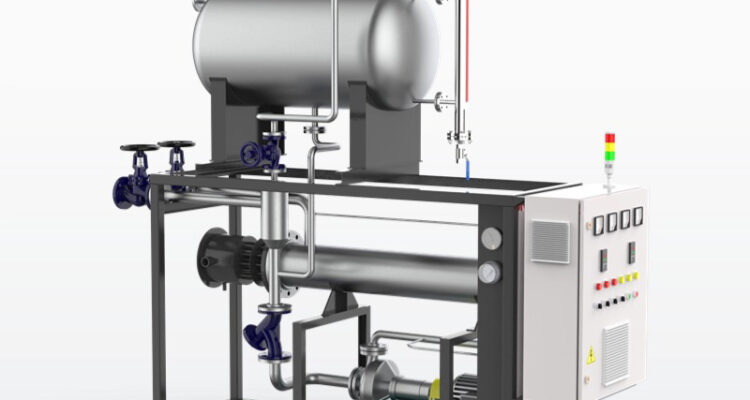
thermal oil heater combustion efficiency
Improving the combustion efficiency of a thermal oil heater is one of the most direct ways to reduce operational costs, lower emissions, and extend the service life of the entire heating system. Unlike many other process adjustments, even small gains in combustion efficiency translate into significant, measurable savings in fuel consumption over months of continuous operation. Achieving and maintaining high efficiency requires a focused approach that goes beyond basic burner adjustments, addressing the interconnected factors of air-fuel balance, heat recovery, and consistent system monitoring.
Optimizing Air-Fuel Ratio for Complete Combustion
The single most impactful factor for combustion efficiency is maintaining the precise ratio of combustion air to fuel throughout the entire firing range of the burner. Too much air (excess oxygen) cools the flame, increases the volume of hot exhaust gases, and carries usable heat straight up the stack. Too little air (oxygen deficiency) results in incomplete combustion, generating unburned carbon (soot) and carbon monoxide, which wastes fuel and creates a safety hazard.
The target is to operate with just enough excess air to ensure all fuel is completely burned, typically between 10% to 20% for most liquid or gas-fired thermal oil heaters. This is verified by analyzing the oxygen (O2) and carbon monoxide (CO) levels in the flue gas. A portable combustion analyzer is the essential tool for this task. Regular readings allow operators to fine-tune the air damper linkages and fuel pressure settings. It is critical to check this ratio at both low-fire and high-fire conditions, as the air-fuel mix can drift at different firing rates. Soot accumulation on the heater’s internal coils is a clear visual indicator of poor combustion, acting as an insulating blanket that drastically reduces heat transfer and forces the burner to work longer and harder.
Maximizing Heat Transfer and Minimizing Stack Losses
Efficient combustion is meaningless if the generated heat is not effectively transferred into the thermal oil. The condition of the heat exchange surfaces is paramount. Regular internal inspections are necessary to identify and remove soot deposits from the fire side and any carbonized oil residues from the oil side. These insulating layers create a significant barrier to heat flow.
Simultaneously, managing the temperature of the exhaust gases leaving the stack is crucial. An excessively high stack temperature indicates that valuable heat is escaping unused. While some temperature above the thermal oil’s operating point is necessary to maintain draft and prevent condensation, an unusually high reading often points to fouled heat surfaces or excessive excess air. Installing an economizer or air preheater can capture a portion of this waste heat, using it to preheat the combustion air or make-up water for other processes. This directly reduces the primary fuel demand. Furthermore, ensuring that the combustion chamber refractory is intact and that all inspection doors and seals are tight prevents uncontrolled air infiltration, which dilutes the flame and cools the combustion process.
Implementing Continuous Monitoring and Proactive Maintenance
Combustion efficiency is not a “set it and forget it” parameter; it naturally degrades over time due to component wear, filter clogging, and changing ambient conditions. Establishing a routine monitoring schedule is vital. This includes logging key parameters like stack temperature, O2/CO levels, fuel pressure, and thermal oil inlet/outlet temperatures. Tracking these trends helps identify problems before they lead to a major efficiency drop or system failure.
This data-driven approach informs a proactive maintenance schedule. Key tasks include cleaning fuel nozzles and filters to ensure proper atomization, calibrating air and fuel valves and meters for accurate control, and checking the condition of the blower fan and damper seals. The burner management system’s (BMS) safety interlocks, such as the flame scanner and airflow switches, must also be kept in optimal working order. A reliable flame scanner ensures clean ignition and stable operation, while a faulty one can cause nuisance lockouts or, worse, allow unsafe conditions. By integrating precise air-fuel control, diligent heat transfer surface management, and consistent system monitoring, thermal oil heater operators can achieve and sustain peak combustion efficiency, turning their heater into a reliable and cost-effective asset.
Related Posts