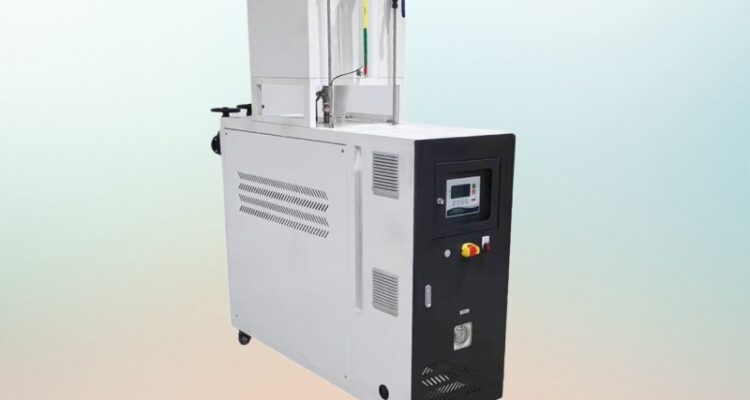
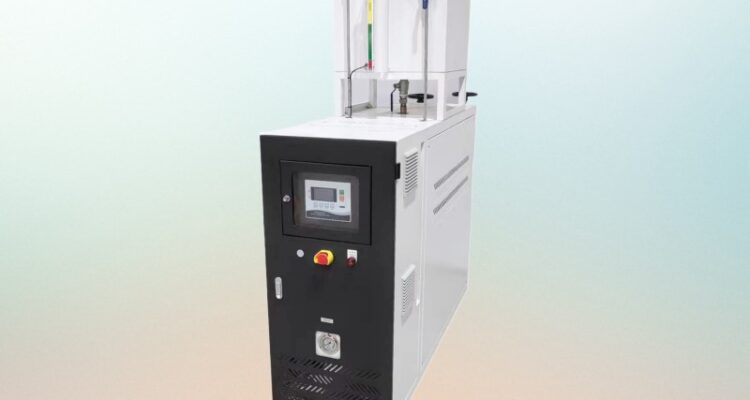
Accurately calculating the required heating capacity for a thermal oil heater is a foundational step…

thermal oil heater safety valve function
The safety valve on a thermal oil heater is a non-negotiable, critical safety component, serving as the final and ultimate protective barrier against catastrophic system overpressure. Unlike pressure relief devices in steam or compressed air systems, its function is uniquely tailored to the characteristics of high-temperature heat transfer fluids. Its proper selection, installation, and maintenance are paramount for preventing equipment rupture, fluid release, and the severe fire hazards associated with hot thermal oil.
Primary Overpressure Protection and System Integrity
The core function of the safety valve is to automatically open and discharge fluid if the internal pressure within the heater or its closed-loop piping exceeds a predetermined set point. This overpressure can arise from several scenarios common in thermal oil systems: a control failure causing uncontrolled heating and fluid expansion, the inadvertent closure of all block valves creating a thermally locked section, or the introduction of a low-boiling-point contaminant like water into the hot oil, leading to rapid vaporization.
When activated, the valve opens fully to relieve this excess pressure by venting a controlled amount of fluid to a safe discharge point, typically a closed collection tank. This action immediately lowers the system pressure back to a safe level, at which point the valve reseals. By performing this function, it directly prevents the mechanical failure of the heater pressure vessel, coils, pumps, or piping, which could otherwise rupture under excessive stress. Its set pressure is always calibrated below the maximum allowable working pressure (MAWP) of the weakest component in the protected loop.
Mitigating Thermal Decomposition and Fire Risk
A correctly functioning safety valve plays a vital role in mitigating the specific fire risks inherent to thermal oil systems. If overpressure from overheating is not relieved, the temperature of the fluid can continue to rise beyond its thermal stability limit. At these extreme temperatures, the fluid undergoes rapid thermal cracking or decomposition, which can generate non-condensable gases and further increase pressure in a dangerous feedback loop.
By relieving pressure, the safety valve helps to arrest this cycle. The discharge of hot fluid reduces the system’s energy content and can help lower the temperature, moving the operating conditions back within a safe window. This prevents the situation from escalating to a point where the degraded, overheated oil could auto-ignite upon release or cause a violent equipment failure. The valve’s discharge must always be piped to a vented, insulated containment vessel designed to handle hot oil, never to atmosphere, to prevent spray or spillage that could ignite on contact with hot surfaces.
Operational Requirements and Maintenance for Reliable Performance
For a safety valve to perform its life-saving function on demand, it must be correctly sized, properly installed, and rigorously maintained. It is sized based on the maximum possible heat input to the system (burner capacity) and the physical properties of the fluid to ensure it can vent the required volume to prevent pressure from rising further. It must be installed vertically, directly on the heater or the hot line without any intervening shut-off valve, and its discharge piping must be self-draining and unobstructed.
Most critically, the valve cannot be a “set and forget” device. Internal components can become fouled with carbonized oil or sludge, causing the valve to stick either open or closed. Regular maintenance, as stipulated by national safety codes and the manufacturer, involves periodic testing and, often, removal for bench testing and recertification by a qualified specialist. This ensures the valve will open at its exact set pressure and reseal properly without leaking afterward. This proactive validation is the only guarantee that this last line of defense will operate when a true overpressure event occurs.
Related Posts