Accurately calculating the required heating capacity for a thermal oil heater is a foundational step…
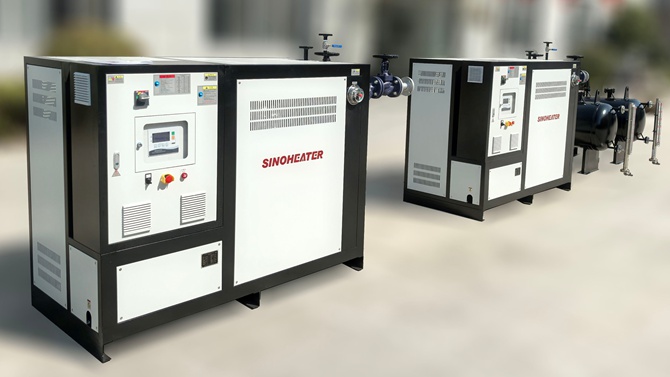
thermal oil heater emergency shutdown
An emergency shutdown for a thermal oil heater system must be executed quickly, calmly and in a specific sequence to prevent secondary damage, contain potential safety risks and protect personnel and surrounding equipment. Unlike a planned shutdown, there is no time for gradual cool down or step by step process checks, so the focus shifts entirely to immediate hazard isolation and system stabilization.
Immediate Source Shutoff and Heat Input Cut
The first action is to cut all heat input to the system at its origin, whether that is fuel supply, electrical power or steam feed. This stops the situation from escalating by preventing any additional thermal energy from entering the closed loop, which could turn a small issue into a major overheating event if left unchecked. At the same time, any connected auxiliary systems that feed into or draw from the thermal oil heater, such as waste heat recovery loops or secondary process heaters, are also isolated to prevent unexpected cross flow or back pressure that could complicate the emergency response. All automatic control overrides are engaged to lock the system into a safe, non-operational state that cannot be accidentally restarted until the emergency is fully resolved.
Controlled Circulation Cool Down Without Overcooling
With the heat source completely off, the circulation pump is kept running to move thermal fluid through the entire loop, using the system’s own piping as a passive heat sink to dissipate stored thermal energy evenly. The goal is to bring the fluid temperature down at a steady, controlled pace, avoiding any sudden temperature drops that could create thermal shock and crack piping or components. If the emergency involves a loss of power to the main circulation pump, a backup power source or a manual override is engaged to keep fluid moving, as stagnant, overheated fluid trapped in any section of the loop will quickly degrade and can create dangerous localized hot spots. No external cooling media, like water or air, is introduced directly into the thermal oil loop, as this can cause sudden, uneven cooling and potential fluid contamination.
Post-Shutdown Isolation and Condition Hold
Once the system temperature has dropped to a safe, stable level well below normal operating range, the entire thermal oil loop is fully isolated from all connected process equipment and auxiliary systems. All block valves are closed to contain the fluid within the heater’s own piping circuit, preventing any accidental release or cross contamination. The system is then left in this isolated, depressurized state until a full, detailed inspection can be performed to identify the root cause of the emergency shutdown. No attempt is made to restart the system or address the fault until every component has been checked and the exact reason for the shutdown is fully understood and resolved.
Teams that practice this emergency shutdown sequence during regular training drills can execute it quickly and correctly under real pressure, minimizing the operational impact and safety risk of any unexpected system failure. Having clear, posted procedures at the main control point ensures every team member follows the same steps in the same order, preventing confusion or missed actions that could make a bad situation worse.
Related Posts