Industrial operations in hazardous locations where flammable vapors, combustible dust, or volatile process fluids are…
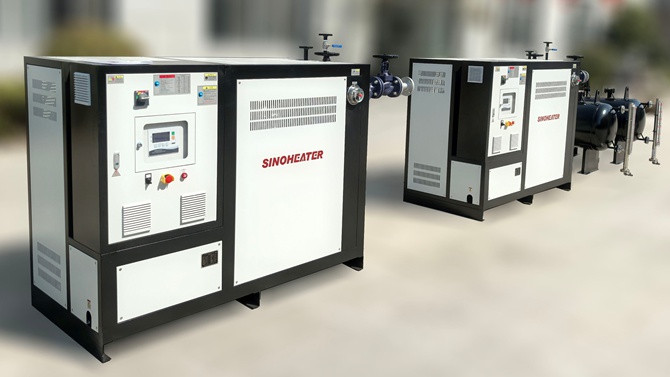
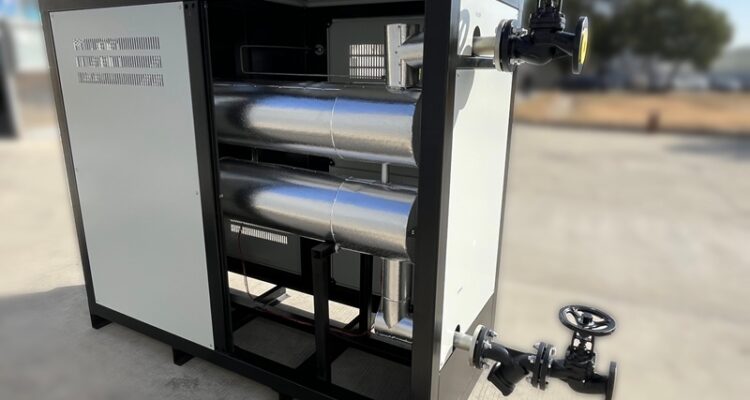
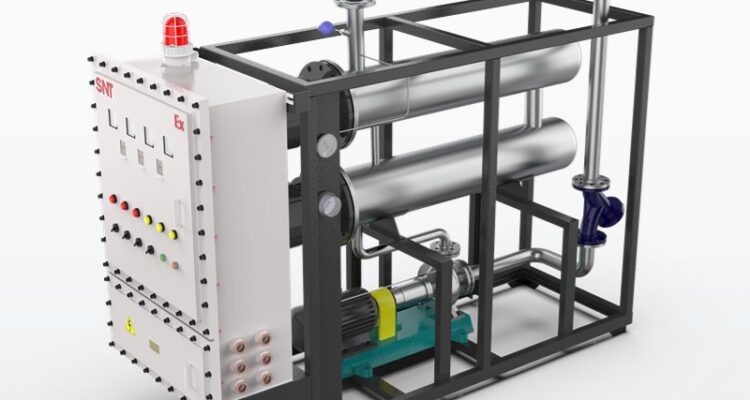
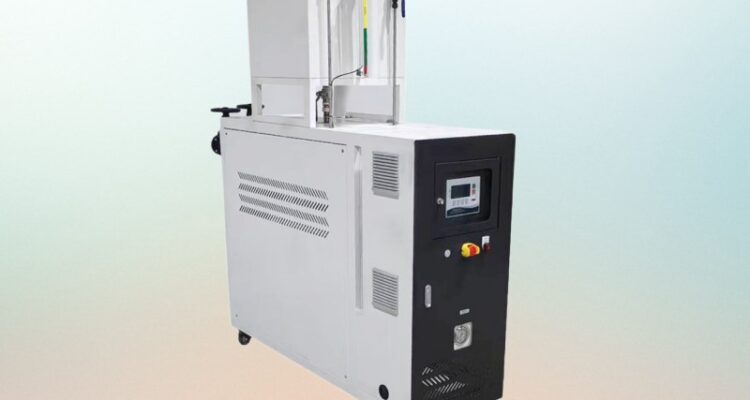
horizontal thermal oil heater for textile dyeing process
The textile dyeing process relies heavily on consistent, evenly distributed heat to ensure color penetration, fabric stability, and uniform finishing across large production batches. Even minor fluctuations in working temperature can lead to uneven color uptake, fabric shrinkage, or extended processing times that disrupt the entire production line. Horizontal thermal oil heater systems have become a widely adopted solution in modern dyeing facilities, as they deliver stable high-temperature heat under relatively low operating pressure, creating a safer and more reliable heat source for continuous textile operations. Unlike direct steam heating setups, these systems circulate heat transfer fluid in a closed loop, making it easier to maintain precise temperature control across every stage of the dyeing workflow.
Core Heat Transfer Principles for Dyeing Process Compatibility
The working mechanism of a horizontal thermal oil system is built around liquid-phase forced circulation, which moves heated fluid from the heater body directly to dyeing machines, setting chambers, and drying sections before returning to be reheated. This countercurrent flow design maximizes heat exchange efficiency, ensuring that the outlet temperature of the heat transfer fluid stays consistent even when production loads shift between full batches and partial runs. For textile dyeing, this steady heat output eliminates the sudden temperature spikes or drops that often cause uneven dye adhesion on delicate fibers, from natural cotton and silk to synthetic blends that require very narrow temperature windows. The horizontal coil structure inside the heater body creates a long, extended flow path for both flue gas and heat transfer fluid, allowing heat to transfer gradually and evenly without creating localized overheating points that could degrade the fluid over time. This design also gives operators the flexibility to adjust working temperatures across a wide range, matching the exact heat requirements for pre-treatment, dyeing, and post-dye drying stages without requiring major system modifications.
Operational Best Practices for Long-Term Process Stability
Proper routine maintenance and operational discipline are critical to keeping a horizontal thermal oil heater performing reliably in the demanding textile dyeing environment. Before initial start-up after any major system shutdown, operators must complete a controlled dehydration and degassing process to remove residual moisture and volatile compounds trapped inside the heat transfer fluid, which prevents sudden pressure surges that can disrupt production. Regular monitoring of fluid condition, including checking for acid value, viscosity changes, and carbon residue buildup, helps teams identify early signs of thermal degradation before they lead to reduced heat transfer efficiency or unexpected system downtime. Routine inspection of coil surfaces, flue pathways, and circulation pump performance ensures that heat output stays consistent even during months of nonstop production, which is essential for dyeing facilities running multiple shifts to meet tight order deadlines. Operators also need to maintain stable flow rates across the entire closed loop, as insufficient circulation speed can cause the heat transfer fluid to stagnate near high-temperature zones, leading to premature coking that narrows pipe passages and reduces overall system performance.
System Integration with Full Dyeing Production Lines
A well-integrated horizontal thermal oil heater setup connects seamlessly with every heat-dependent stage of the textile dyeing workflow, creating a unified thermal management system that improves overall process consistency. The steady, high-temperature heat output feeds directly into jet dyeing machines, pad-dry units, and heat setting chambers, eliminating the temperature variations that often create color differences between the first and last fabric rolls in a single batch. By pairing the thermal oil system with properly insulated piping networks, facilities can minimize unnecessary heat loss during fluid transportation, ensuring that the temperature reaching each dyeing machine stays nearly identical to the temperature leaving the heater body. This level of consistency also reduces the need for repeated re-dyeing and color correction work, which saves significant amounts of water, dye chemicals, and processing time across large production volumes. For facilities that also handle related finishing processes like fabric calendaring, stenter setting, and post-dye drying, the same thermal oil loop can be extended to supply heat to all these units, creating a single centralized heat source that is far easier to monitor and maintain than multiple independent heating systems.
Many textile dyeing facilities that operate around the clock in high-demand environments find that a properly configured horizontal thermal oil system reduces the number of unplanned production stops significantly, compared to older steam-based heating setups. The ability to maintain stable, precise temperatures for thousands of consecutive operating hours helps production teams deliver far more consistent color results across different fabric types and dye formulations. This reliability has made these systems a standard thermal solution for facilities that prioritize both process quality and long-term operational safety in their daily dyeing operations.
Related Posts