The textile dyeing process relies heavily on consistent, evenly distributed heat to ensure color penetration,…
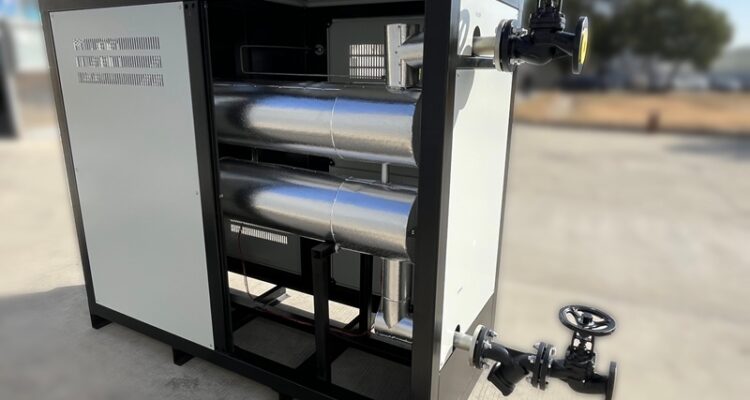
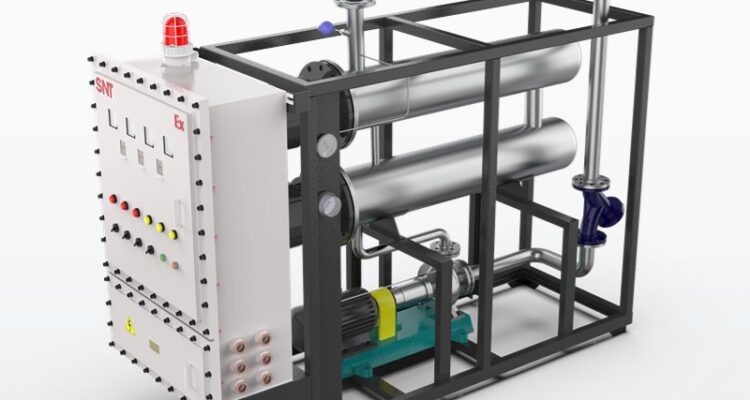
explosion proof thermal oil heater for hazardous area
Industrial operations in hazardous locations where flammable vapors, combustible dust, or volatile process fluids are present require heating systems engineered to eliminate ignition risks at every level of design. A single unprotected electrical component, overheated surface, or loose electrical connection can create a catastrophic safety hazard that threatens personnel, facility integrity, and continuous production uptime. Explosion proof thermal oil heater systems are purpose-built to operate safely in these high-risk environments, delivering consistent, controlled high-temperature heat through a closed-loop heat transfer fluid circulation system without introducing uncontrolled ignition sources into the surrounding atmosphere. These systems are widely deployed across petrochemical processing sites, chemical storage facilities, oil and gas handling zones, and other industrial locations where standard heating equipment cannot meet mandatory safety compliance standards.
Core Safety Design Features for Hazardous Area Operation
Every component of an explosion proof thermal oil heater is engineered with layered protection mechanisms to contain potential ignition events entirely within sealed, flame-proof enclosures. All electrical junctions, heating element terminals, and internal wiring pathways are housed in heavy-duty, reinforced enclosures designed to withstand internal explosions and prevent any escaping flame or hot gas from igniting flammable material in the surrounding environment. Surface temperature limits for all external heater components are strictly controlled to stay well below the auto-ignition threshold of the most common flammable gases and vapors present in the classified operating zone, eliminating the risk of unintended ignition from contact with hot external surfaces. The closed-loop thermal oil circulation design removes the need to expose high-temperature process fluids directly to the surrounding hazardous atmosphere, containing all heated media within fully welded, pressure-rated piping and heat exchanger assemblies. Integrated over-temperature, low-fluid-flow, and over-pressure interlock systems cut power to the heating elements instantly the moment any operating parameter moves outside pre-set safety limits, stopping potential fault conditions from escalating into dangerous incidents.
Installation and Zoning Compliance Best Practices
Proper installation aligned with local hazardous area classification standards is just as critical to long-term safety as the heater’s inherent explosion proof design. Site teams first conduct a full assessment of the exact hazardous zone classification, gas group, and temperature rating requirements for the specific installation location, to ensure every part of the heater system matches the exact safety specifications for that classified area. All electrical wiring running to and from the heater must be routed through certified explosion proof conduit systems, with sealed, flame-tight connections at every junction point to prevent flammable gases from traveling through wiring pathways into non-hazardous sections of the facility. The heater unit itself must be positioned in a well-ventilated location that is free from standing liquid pools, heavy dust accumulation, and physical impact risks from nearby moving equipment, to avoid unnecessary stress on sealed enclosures and critical safety components. Installation teams also map out clear, unobstructed access paths for routine inspection and emergency shutdown operations, ensuring that maintenance personnel can reach all safety interlock points quickly in the event of an operational anomaly.
Routine Maintenance to Sustain Long-Term Safety Performance
Consistent, structured maintenance procedures are essential to preserving the full explosion proof safety rating of the system over thousands of operating hours. Inspectors check all sealed enclosure gaskets, bolt torque values, and conduit connection points on a regular schedule, to confirm no gaps, corrosion, or physical damage has compromised the flame-proof integrity of any sealed electrical housing. Heat transfer fluid condition is closely monitored at regular intervals, with routine testing for acid value, carbon residue, and viscosity changes that can signal thermal degradation leading to coking on internal heating element surfaces, which would create unsafe localized hot spots. Circulation pump performance and flow rate stability are tracked continuously, to ensure the heat transfer fluid never stagnates around heating elements, a common fault that can cause rapid overheating and damage to both the fluid and the heater assembly. All safety interlock devices, including temperature sensors, pressure switches, and flow monitoring relays, are periodically tested under controlled conditions to confirm they trigger correctly and shut down heating power immediately when a fault condition is detected.
Facility operation teams that follow strict safety design, installation, and maintenance protocols often see far fewer unplanned safety incidents and extended service life from their explosion proof thermal oil heating systems. This level of reliable, low-risk performance makes these systems a trusted thermal solution for some of the most high-stakes industrial operating environments in the world.
Related Posts