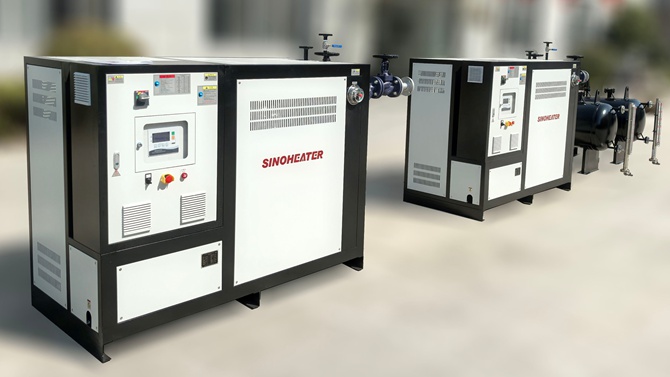
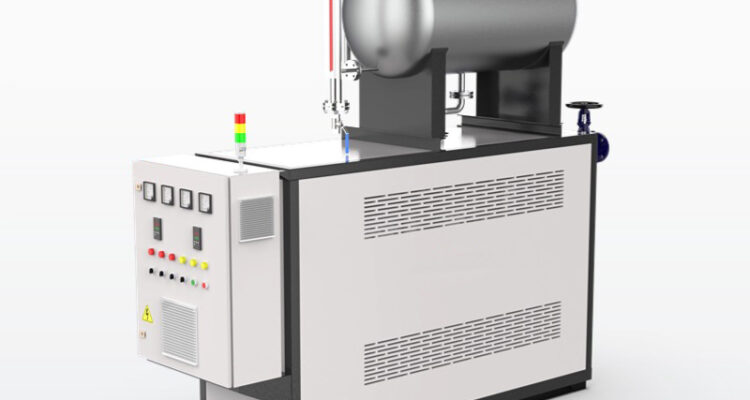
Asphalt plant operations rely on consistent, reliable high-temperature heat to keep aggregate drying, bitumen storage,…
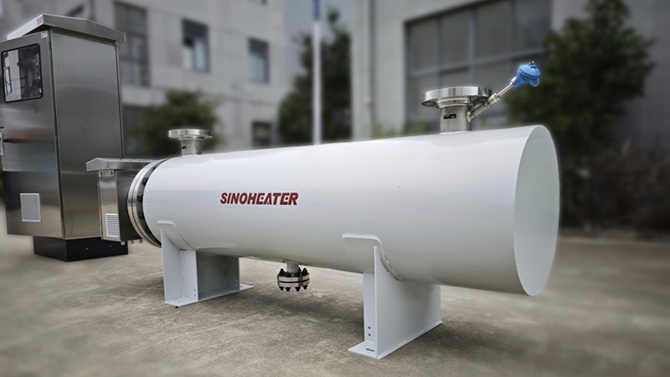
Breakthrough in High-Viscosity Fluid Heating: Inline Heater Solutions
In the fields of chemical industry, new energy materials, petrochemicals and food processing, high-viscosity fluids such as heavy oil, epoxy resin, syrup and asphalt are widely used as core raw materials or auxiliary media. However, the inherent characteristics of high-viscosity fluids—slow molecular movement, poor fluidity and weak convective heat transfer—have long been a major pain point in industrial heating links. Traditional heating methods often face problems such as uneven temperature distribution, local overheating coking, low energy efficiency and unstable viscosity control, which not only affect production efficiency and product quality, but also increase operating costs and safety risks. Recently, the inline heater solution, with its innovative embedded heating design and precise temperature control technology, has successfully broken through the technical bottleneck of high-viscosity fluid heating, providing a reliable and efficient heating solution for global industrial enterprises and leading a new round of upgrading in the fluid heating field.
It is understood that the global thermic fluids market, which is closely related to high-viscosity fluid heating, is expected to reach USD 6282.72 million by 2035 with a CAGR of 8.27%. Among them, over 61% of industrial processes rely on precise temperature control of high-viscosity fluids between 200℃ and 400℃ to reduce energy consumption and production downtime. However, traditional heating methods such as immersion heating rods and external heating belts are difficult to meet the core needs of high-viscosity fluid heating. Immersion heating rods are prone to local overheating due to “point heat source” characteristics, resulting in fluid coking and decomposition, while external heating belts have large heat loss and slow temperature response, leading to uneven temperature distribution with a temperature difference of more than ±10℃, which seriously affects the stability of fluid viscosity and product yield.
Against this background, the inline heater solution, which integrates “embedded heating, turbulent heat transfer and intelligent temperature control”, has emerged as the times require, and has become the preferred choice for solving high-viscosity fluid heating problems. Different from traditional heating equipment, the inline heater adopts an integrated design of heating element and fluid flow channel, embedding the heating body into the wall of the flow channel, so that the high-viscosity fluid can be heated in the process of flowing, realizing “flow-heat transfer-temperature control” precise coordination and fundamentally solving the pain points of traditional heating methods. This innovative design not only avoids direct contact between the heating element and the fluid, reducing corrosion and scaling risks, but also maximizes heat transfer efficiency, with an energy conversion rate of more than 95%, which is far higher than the 70% heat efficiency of external heating belts.
The core advantage of the inline heater solution in high-viscosity fluid heating lies in its precise temperature control and uniform heat distribution. The solution is equipped with advanced PT100 thermocouples and PID intelligent temperature control systems, which can realize real-time monitoring of fluid temperature and dynamic power adjustment, ensuring that the temperature deviation is controlled within ±1-±2℃, effectively avoiding local overheating and coking of high-viscosity fluids caused by temperature fluctuations. At the same time, through the optimization of fluid dynamics, the inline heater adopts a special flow channel design—polishing the inner wall of the flow channel to reduce fluid retention, and guiding the fluid to form a turbulent state (Reynolds number Re>2000), which breaks the thermal boundary layer and increases the convective heat transfer coefficient by 3-5 times compared with laminar flow, ensuring that the high-viscosity fluid is heated uniformly in the whole cross-section during the flow process. For high-viscosity fluids such as 320# gear oil with a viscosity of 1000Pa·s, the inline heater can heat it from 20℃ to 60℃ with a temperature difference of less than ±2℃, ensuring uniform fluid viscosity and stable performance.
In addition, the inline heater solution has strong customization and wide applicability, which can be tailored according to the viscosity, corrosiveness and flow characteristics of different high-viscosity fluids. For corrosive high-viscosity fluids, the flow channel cavity can be made of 316L stainless steel, Hastelloy and other corrosion-resistant materials, and the heating element is isolated from the fluid through an insulating layer such as magnesium oxide, which extends the service life of the equipment to more than 20,000 hours. In terms of installation and maintenance, the inline heater has a compact structure, can be directly integrated with the existing industrial pipeline system, saves 50% of the installation space compared with the traditional heating system, and is equipped with a drain valve design, which facilitates daily cleaning and maintenance and reduces the later operation and maintenance cost by more than 20%. Its flexible power adjustment function can also adapt to the different heating needs of industrial production lines in different periods, realizing intelligent and efficient operation.
At present, the inline heater high-viscosity fluid heating solution has been widely applied in various industrial fields and achieved remarkable results. In the petrochemical industry, it provides stable heating support for heavy oil and asphalt transportation, effectively reducing fluid viscosity, avoiding pipeline blockage, and improving transportation efficiency by 30% compared with traditional heating methods; in the chemical industry, it is used for heating high-viscosity raw materials such as epoxy resin and polyurethane, ensuring uniform material mixing and reaction, reducing product defect rate by more than 15%; in the food processing industry, it is used for heating high-viscosity materials such as syrup and chocolate sauce, realizing precise temperature control while ensuring product flavor and nutritional components are not damaged. A well-known petrochemical enterprise said that after adopting the inline heater solution, the problem of local coking of heavy oil heating was completely solved, the energy consumption of the production line was reduced by 25%, and the annual cost saving reached nearly one million yuan, which fully verified the practical value of the solution.
Industry insiders pointed out that with the deepening of the global “double carbon” strategy and the continuous upgrading of industrial production requirements, the demand for efficient, energy-saving and safe high-viscosity fluid heating solutions will continue to rise. The inline heater, with its unique technical advantages and perfect application scenarios, has become a key force driving the green and intelligent transformation of the industrial fluid heating field. In the future, with the continuous iteration of technology, the inline heater solution will further optimize the flow channel design and temperature control system, integrate IoT intelligent monitoring and predictive maintenance functions, and continuously improve energy efficiency and operation stability.
As a leader in the field of industrial heating solutions, we will continue to adhere to the concept of technological innovation, focus on the pain points of high-viscosity fluid heating in various industries, and provide more professional, customized and efficient inline heater solutions for global enterprises. We believe that with the empowerment of the inline heater solution, more industrial enterprises will break through the bottleneck of high-viscosity fluid heating, achieve the dual goals of energy conservation, environmental protection and efficiency improvement, and inject new vitality into the high-quality development of the industrial field.
Related Posts