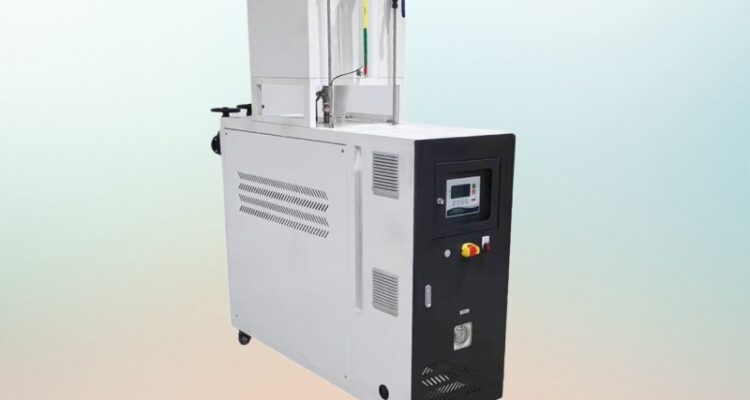
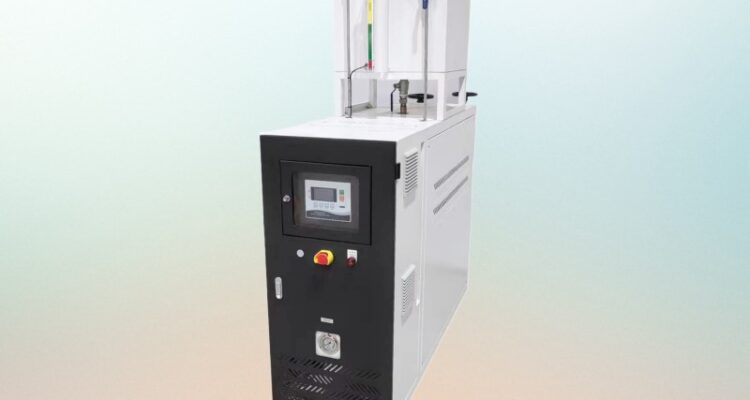
Accurately calculating the required heating capacity for a thermal oil heater is a foundational step…
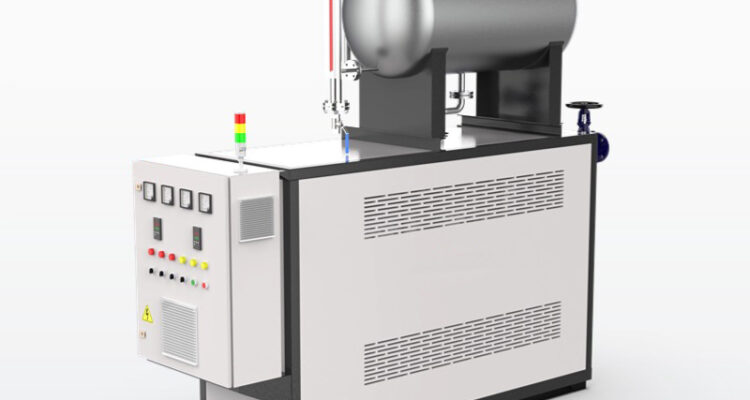
thermal oil heater circulation pump
Thermal Oil Heater Circulation Pump: How It Works, Types, and What You Need to Know
When industrial processes demand precise, high-temperature heating — often exceeding 300°C — steam systems simply cannot cut it. That is where a thermal oil heater circulation pump takes over. It is the beating heart of any closed-loop thermal fluid system, pushing heat transfer oil from the heater to the process equipment and back again, over and over, without fail.
Understanding this pump is not optional if you operate or maintain a thermal oil system. Get it wrong, and you face hot spots, fluid degradation, or worse — a shutdown.
What Exactly Does a Thermal Oil Circulation Pump Do?
A thermal oil circulation pump moves heat transfer fluid through a sealed, closed-loop system. The fluid absorbs heat in the thermal oil heater — typically heated to around 300°C by a burner or electric element — then travels through piping to reactors, dryers, presses, ovens, or heat exchangers. There, it releases its thermal energy to the process. The cooled oil — usually dropping about 40°C across the consuming devices — returns to the heater, gets reheated, and the cycle repeats.
The pump runs continuously. Temperatures in the loop commonly sit between 150°C and 400°C. The pump must deliver stable flow and pressure for extended periods, often 24/7, without seal failures or leaks.
This is not a job for a standard centrifugal pump. Thermal oil has low viscosity at high temperatures, which changes how the pump behaves compared to water or glycol. The pump must be engineered specifically for this service — with heat-resistant materials, specialized seals, and thermal expansion built into the design.
Main Types of Thermal Oil Circulation Pumps
Not every pump fits every system. The two dominant categories are centrifugal pumps and positive displacement pumps, each with a distinct role.
Centrifugal Thermal Oil Pumps
This is the workhorse of most thermal oil systems. A rotating impeller creates flow, making centrifugal pumps ideal for high-flow, low-to-medium pressure applications. They are simple, reliable, and efficient — which is why they dominate boiler circulation loops and most industrial heating setups. Flow rates in industrial systems typically range from 15 to 500 gallons per minute (GPM), depending on tank size and process demand.
Centrifugal designs handle the continuous circulation that keeps temperatures stable and prevents localized hot spots. A hot spot can thermally crack the fluid, degrade system efficiency, and create serious safety hazards. The pump eliminates that risk by keeping the oil moving at all times.
Positive Displacement and Gear Pumps
Gear pumps deliver a fixed volume of oil per revolution, regardless of system pressure. This makes them perfect for high-viscosity thermal oil or applications where metering-level flow control matters. They are less common in standard boiler loops but show up in specific process needs where precise dosing is critical.
Magnetic drive pumps also deserve a mention. They eliminate the need for mechanical seals entirely, which removes one of the biggest failure points in high-temperature service. For systems handling flammable or expensive thermal fluids, this can be a game-changer.
How the Circulation System Actually Works
The system is deceptively simple in concept, but the engineering behind it is tight.
The heater raises the thermal oil to a setpoint — say 300°C. A differential pressure switch monitors flow across the heater inlet and outlet. If the pump fails or a blockage interrupts flow, that switch cuts the burner or heating element immediately. This is a critical safety interlock.
The pump pushes the hot oil through the process. As it releases heat, the oil cools and returns to the heater. A thermostat controls the heater: when the oil hits the upper temperature limit, heat input stops but the pump keeps running. When the temperature drops to the lower limit, the burner fires again. The pump never stops while the heater is hot.
This is why shutdown procedure matters so much. You turn off the heater first, then let the pump circulate until the oil drops to around 93°C (200°F). Only then do you shut the pump down. Skipping this step leaves residual heat in the system, and that heat will thermally crack the fluid — ruining it.
Why Circulation Pumps Matter More Than You Think
A thermal oil system operates at low pressure compared to steam boilers, which makes it inherently safer. No risk of explosion, no corrosion from water, no flash steam losses. But all of those advantages collapse if circulation stops.
Continuous flow prevents hot spots. It ensures even heat distribution across all users. In multi-line systems — where one heater serves multiple process lines — the pump design becomes even more critical. Users can be arranged in series (same flow rate through all, but downstream users get cooler oil) or in parallel (each user gets oil at nearly the same temperature, but requires more pump capacity). The choice affects efficiency, temperature control, and system complexity.
When everything is running smoothly, the temperature difference between oil leaving the heater and oil returning to it stays constant. If that delta starts climbing, something is changing in the system — fouling, a partially closed valve, or a pump losing performance. Monitoring that temperature gap is one of the fastest ways to catch a problem before it becomes a failure.
Key Specs to Watch When Selecting a Pump
Picking the right circulation pump is not about finding the biggest or the cheapest. It is about matching the pump to your specific thermal oil, operating temperature, flow rate, and system resistance.
Too large a flow rate wastes energy and can cause erosion. Too small a flow rate starves the process of heat and creates dangerous temperature gradients. The pump must handle the fluid viscosity at your maximum operating temperature — often up to 370°C for mineral oil systems. Seal technology matters enormously: modern designs use PTFE lip seals or hard alloy mechanical seals, sometimes with self-cooling structures that replace traditional water cooling.
Also consider the support structure. Double-ended ball bearings with the process fluid lubricating the front end and high-temperature grease on the rear end is a common, proven arrangement. Some designs include a drain tube between the seals to monitor for leaks and recover any escaped fluid.
Operating and Maintaining Your Thermal Oil Circulation Pump
Daily operation requires checking three things: pump noise, seal condition, and pressure drop. A smooth-running pump with stable pressure drop across both the pump and the heater means everything is fine. Any deviation is a warning sign.
For shutdown, follow the sequence strictly: heater off, pump running until oil cools to 93°C, pump off, then drain. Record all valve positions before opening them. If your system has a nitrogen blanket on the expansion tank, shut that off too. Open high-point vents to release trapped gas.
Fluid sampling should be done regularly. The condition of the thermal oil tells you the condition of the entire system — oxidation, contamination, viscosity changes all show up in the fluid before they show up in equipment failures.
A well-maintained circulation pump in a properly designed thermal oil system can run for years with minimal downtime. The key is respecting the fluid, respecting the temperature, and never letting the pump stop while the system is still hot.
Related Posts