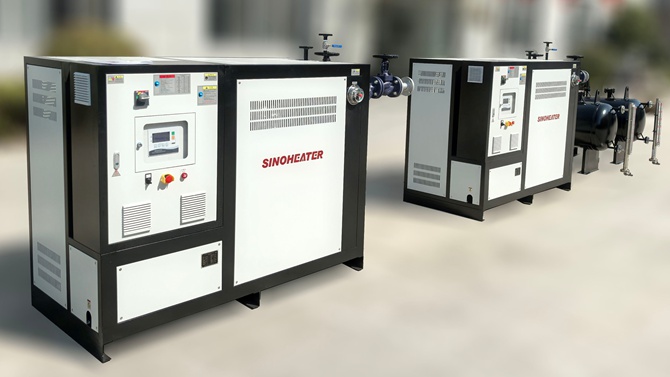
Asphalt plant operations rely on consistent, reliable high-temperature heat to keep aggregate drying, bitumen storage,…
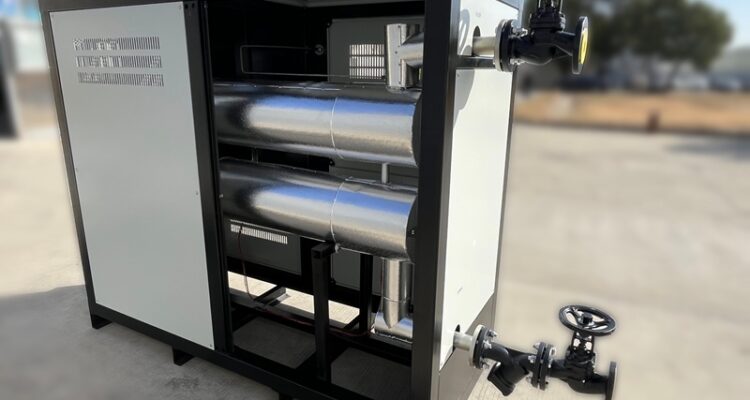
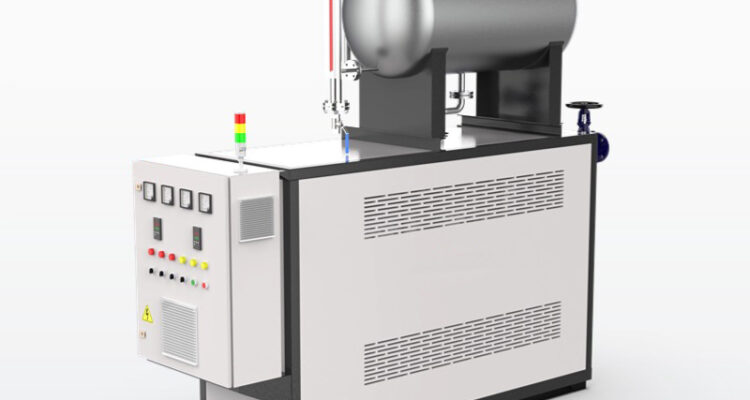
thermal oil heater energy efficiency
Thermal Oil Heater Energy Efficiency
Thermal oil heater energy efficiency has become an important concern for modern industrial facilities. Rising energy demand and stricter environmental requirements encourage manufacturers to improve heating performance while reducing fuel consumption and heat loss.
A thermal oil heating system can deliver stable high-temperature operation with relatively low pressure, making it suitable for industries that require continuous process heating. However, achieving high energy efficiency depends on proper system design, stable combustion, effective insulation, and regular maintenance.
How Thermal Oil Heater Energy Efficiency Works
The energy efficiency of a thermal oil heater refers to how effectively the system converts fuel energy into usable thermal energy for industrial processes.
Efficient systems minimize heat loss while maximizing heat transfer performance throughout the circulation network.
Efficient Heat Transfer Process
Thermal oil absorbs heat inside the heater coil and transfers it through a closed-loop circulation system. The heated fluid then delivers thermal energy to industrial equipment such as reactors, dryers, heat exchangers, and processing tanks.
Efficient heat transfer depends on stable oil circulation, clean heat transfer surfaces, and controlled operating temperatures.
Low Pressure High Temperature Operation
One major advantage of thermal oil systems is the ability to achieve high operating temperatures under relatively low pressure conditions.
Lower pressure operation helps reduce:
- Energy loss
- Mechanical stress
- Leakage risk
- Maintenance frequency
This operating principle supports long-term industrial heating efficiency.
Continuous Thermal Circulation
Stable oil circulation distributes heat evenly across the entire system. Consistent circulation reduces localized overheating and improves temperature stability during continuous operation.
Efficient flow conditions also help maintain balanced energy utilization throughout industrial processes.
Factors Affecting Thermal Oil Heater Energy Efficiency
Several operational and structural factors influence overall heating efficiency.
Burner Combustion Performance
Combustion efficiency directly affects fuel utilization. Proper burner adjustment helps create stable flame conditions and complete fuel combustion.
Poor combustion may result in:
- Excessive fuel consumption
- Incomplete heat generation
- Increased exhaust emissions
- Carbon deposit formation
Routine burner inspection helps maintain optimal combustion conditions.
Thermal Oil Quality
The condition of the thermal oil strongly influences heat transfer performance. Degraded oil may form sludge and carbon deposits inside pipelines and heater coils.
These deposits reduce thermal conductivity and increase energy loss during operation.
Regular oil analysis helps maintain stable heat transfer efficiency.
Insulation Performance
Pipelines, valves, and process equipment operating at high temperatures may lose significant heat if insulation becomes damaged or insufficient.
Effective insulation helps:
- Reduce external heat loss
- Improve workplace safety
- Lower fuel consumption
- Maintain stable operating temperature
Well-maintained insulation systems contribute directly to energy savings.
Circulation Flow Stability
Insufficient thermal oil circulation reduces heat transfer efficiency and increases overheating risk inside the heater coil.
Stable pump performance is essential for maintaining balanced heat distribution throughout the system.
Methods to Improve Thermal Oil Heater Energy Efficiency
Industrial facilities often apply multiple strategies to improve heating system performance.
Optimize Combustion Air Ratio
The balance between fuel and combustion air affects flame stability and thermal output.
Excess air may increase heat loss through exhaust gases, while insufficient air may reduce combustion efficiency.
Proper air adjustment improves:
- Fuel utilization
- Heat generation
- Flame stability
- Exhaust performance
Routine combustion analysis helps maintain efficient operating conditions.
Reduce Heat Loss from Pipelines
Thermal insulation plays a major role in energy conservation. Heat loss from exposed pipelines and equipment surfaces can significantly increase fuel demand.
Regular insulation inspection helps identify damaged or deteriorated insulation materials before major efficiency loss occurs.
Maintain Clean Heat Transfer Surfaces
Carbon deposits and sludge buildup reduce the ability of the system to transfer heat effectively.
Cleaning heater coils, burners, and exhaust passages helps maintain efficient thermal transfer and stable operating temperature.
Control Operating Temperature Carefully
Excessively high operating temperatures increase thermal oil degradation and unnecessary energy consumption.
Accurate temperature control helps maintain stable process conditions while reducing thermal stress within the system.
Automatic Control and Energy Management
Modern thermal oil heating systems increasingly use automation to improve energy efficiency.
Automatic Temperature Regulation
Automatic controllers adjust burner output according to process heating demand. This prevents excessive fuel consumption caused by overheating or unstable combustion conditions.
Stable temperature regulation also supports consistent industrial production quality.
Variable Load Operation
Industrial heating demand often changes during production cycles. Flexible load adjustment helps maintain efficient operation under varying process conditions.
Matching heat output to actual demand reduces unnecessary energy waste.
Real-Time Monitoring Systems
Continuous monitoring allows operators to track:
- Fuel consumption
- Thermal oil temperature
- Exhaust gas conditions
- Circulation flow rate
- Heat transfer efficiency
Operational data helps identify efficiency problems before they affect production performance.
Energy Loss Sources in Thermal Oil Heating Systems
Understanding common energy loss areas helps improve system optimization.
Exhaust Heat Loss
High exhaust gas temperature may indicate inefficient heat utilization inside the heater.
Heat recovery systems can capture residual thermal energy from exhaust gases and reuse it within the industrial process.
Radiation Heat Loss
Uninsulated equipment surfaces release heat into the surrounding environment. This type of energy loss becomes more significant during long operating periods.
Proper insulation reduces unnecessary thermal radiation.
Thermal Oil Degradation
Oxidized or contaminated thermal oil transfers heat less effectively. Reduced thermal conductivity increases fuel demand and lowers system efficiency.
Routine fluid maintenance helps preserve thermal performance.
Circulation Resistance
Blocked pipelines, dirty filters, or pump problems may increase circulation resistance and reduce heat transfer performance.
Efficient flow management supports stable energy utilization throughout the system.
Industrial Applications Requiring High Energy Efficiency
Energy-efficient thermal oil heating systems are widely used across many industrial sectors.
Chemical Industry
Chemical production processes often require continuous high-temperature heating with stable thermal control. Efficient heating helps reduce operating costs and improve production consistency.
Food Processing Industry
Food manufacturing facilities rely on efficient thermal systems for frying, drying, baking, and sterilization operations.
Stable heat transfer supports both product quality and energy conservation.
Textile Manufacturing
Textile drying and finishing processes consume significant thermal energy. Efficient thermal oil systems help reduce fuel usage during continuous production.
Asphalt and Construction Materials
Asphalt heating systems require stable high-temperature operation over long periods. Improved thermal efficiency helps lower energy consumption during material processing and storage.
Preventive Maintenance for Long-Term Efficiency
Routine maintenance helps preserve energy performance and reduce operational problems.
Inspect Burner Condition
Clean burners maintain stable combustion and improve fuel efficiency.
Monitor Thermal Oil Quality
Regular oil analysis helps prevent heat transfer reduction caused by oxidation or contamination.
Check Pump Performance
Stable circulation improves heat distribution and prevents unnecessary energy waste.
Maintain Control System Accuracy
Proper calibration of sensors and controllers supports accurate temperature regulation and efficient fuel utilization throughout industrial operation.
Related Posts