Accurately calculating the required heating capacity for a thermal oil heater is a foundational step…

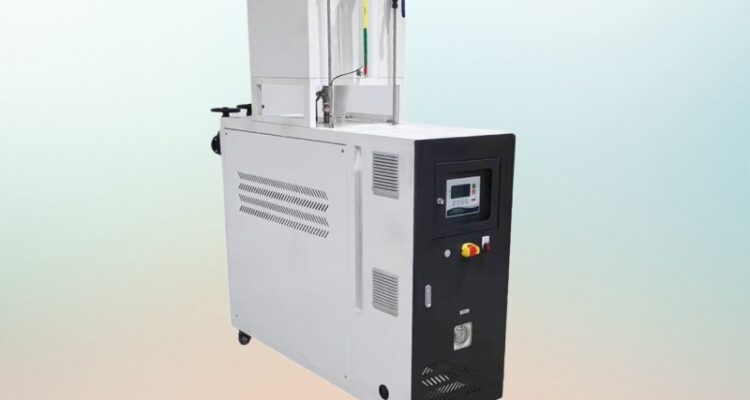
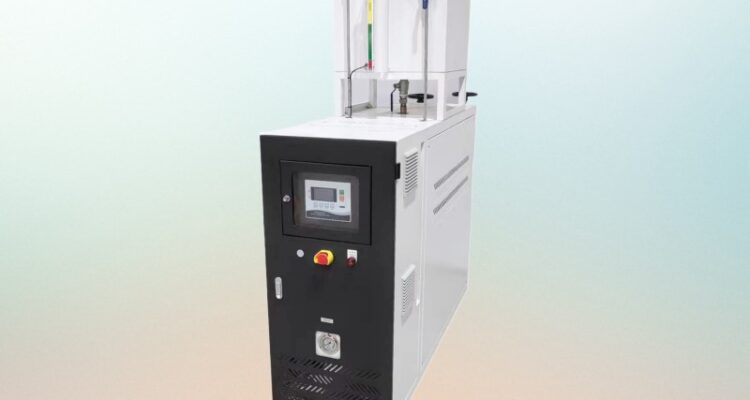
thermal oil heater for industrial heating
Thermal Oil Heater for Industrial Heating
Industrial facilities often require a stable and efficient heat source to maintain continuous production. A thermal oil heater is widely used in manufacturing environments where high temperatures are necessary without the pressure limitations associated with steam systems. From chemical processing to food production, these systems provide controlled heat transfer for a wide range of industrial applications.
Why Industrial Facilities Use a Thermal Oil Heater
A thermal oil heater operates by circulating heated thermal fluid through a closed-loop system. The heated oil transfers energy to production equipment, reactors, dryers, or heat exchangers while maintaining accurate temperature control.
Unlike traditional steam heating systems, thermal oil circulation can achieve high operating temperatures under relatively low pressure conditions. This makes the system suitable for industrial processes that demand both safety and thermal stability.
Stable Heat Transfer Performance
Industrial production lines often depend on precise temperature consistency. A thermal oil heater can maintain uniform heat distribution throughout the system, reducing fluctuations that may affect product quality or equipment operation.
Stable heat transfer is especially important in industries where material viscosity, curing time, or chemical reactions depend on accurate thermal conditions.
Reduced System Pressure
One major advantage of thermal oil heating is the ability to reach elevated temperatures without excessive system pressure. Lower pressure operation helps reduce stress on pipes, valves, and connected equipment.
This operating characteristic can also simplify maintenance procedures and improve long-term reliability in industrial environments.
Flexible Industrial Applications
A thermal oil heater is commonly used in:
- Asphalt processing plants
- Textile manufacturing facilities
- Food processing systems
- Plastic and rubber production
- Wood panel manufacturing
- Chemical processing industries
- Pharmaceutical heating systems
Its flexibility allows the heating system to support different production scales and process requirements.
Important Components in a Thermal Oil Heater System
Several components work together to maintain safe and efficient operation.
Circulation Pump
The circulation pump keeps thermal fluid moving continuously through the heating circuit. Proper flow rate is essential for preventing localized overheating and maintaining stable heat transfer efficiency.
Expansion Tank
As thermal oil expands during heating, the expansion tank absorbs the increase in fluid volume. This helps stabilize system pressure and protects the piping network from excessive stress.
Burner and Combustion Chamber
The burner generates thermal energy by combusting fuel inside the combustion chamber. Proper burner adjustment directly affects fuel efficiency, heat output, and emission control.
Temperature Control System
Modern industrial heating systems rely on automatic temperature control to maintain precise operating conditions. Sensors and controllers monitor thermal fluid temperature and regulate burner activity according to process demand.
Energy Efficiency in Industrial Heating
Energy efficiency remains one of the most important considerations for industrial facilities. A properly designed thermal oil heater can reduce energy waste while improving overall heating performance.
High Heat Transfer Efficiency
Thermal oil has strong heat transfer properties, allowing energy to move efficiently through the circulation system. Well-insulated piping and optimized flow design further minimize heat loss during operation.
Heat Recovery Opportunities
Some industrial facilities integrate exhaust heat recovery systems to capture residual thermal energy from flue gases. Recovered heat may be reused for preheating combustion air or supporting additional industrial processes.
Reduced Downtime
Consistent heating performance and lower operating pressure can help reduce equipment failure rates. Fewer interruptions improve production continuity and lower maintenance demands over time.
Maintenance Practices for Long-Term Operation
Routine maintenance plays a critical role in maintaining thermal efficiency and extending equipment lifespan.
Thermal Oil Inspection
Thermal oil gradually degrades under prolonged exposure to high temperatures. Regular oil analysis helps detect oxidation, sludge formation, or contamination before these issues affect system performance.
Burner Cleaning and Adjustment
Dust accumulation and improper air-to-fuel ratios can reduce combustion efficiency. Routine burner inspection helps maintain stable flame conditions and consistent heat generation.
Piping and Insulation Checks
Damaged insulation or leaking connections can increase energy loss and reduce system efficiency. Periodic inspection of pipes, valves, and insulation materials helps maintain safe operation.
Safety Considerations in Industrial Heating Systems
Industrial heating equipment operates under demanding conditions, making safety management essential.
Overheating Prevention
Continuous monitoring of circulation flow and temperature levels helps prevent thermal fluid overheating. Automatic shutdown systems are commonly used to protect the heater during abnormal operating conditions.
Pressure Monitoring
Although thermal oil systems typically operate at lower pressure than steam boilers, pressure monitoring remains important for detecting circulation restrictions or system malfunctions.
Proper Ventilation
Combustion systems require adequate ventilation to maintain safe air quality and stable burner operation. Industrial facilities should also monitor exhaust systems regularly to prevent blockages or excessive emissions.
Selecting the Right Thermal Oil Heater Configuration
Industrial heating requirements vary depending on production scale, process temperature, and operating environment. System design should consider:
- Required heating capacity
- Operating temperature range
- Fuel availability
- Installation space
- Thermal fluid characteristics
- Heat transfer efficiency goals
- Automation requirements
Careful system planning helps improve operational reliability while supporting long-term industrial productivity.
Related Posts