Accurately calculating the required heating capacity for a thermal oil heater is a foundational step…
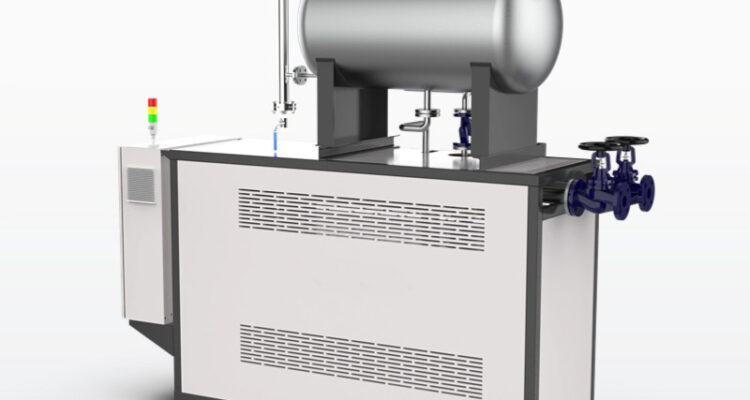
thermal oil heater for pharmaceutical industry
Thermal Oil Heater for Pharmaceutical Industry
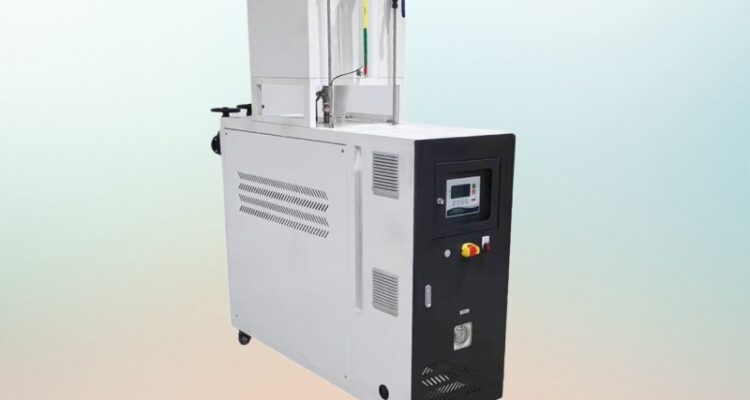
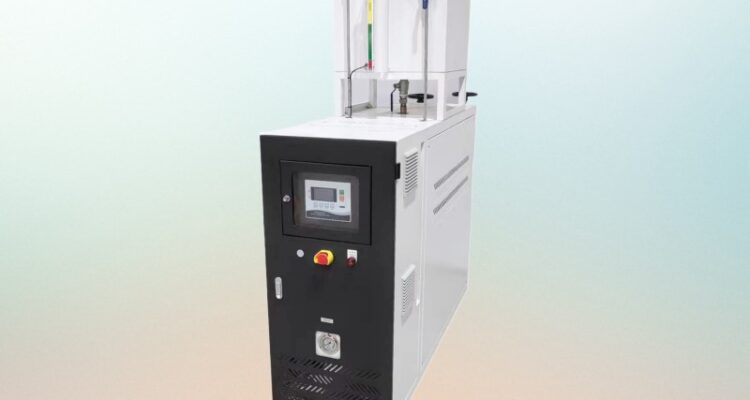
A thermal oil heater for pharmaceutical industry applications is widely used to provide stable and accurate heating for pharmaceutical manufacturing processes. Pharmaceutical production often requires precise temperature control, continuous thermal stability, and reliable heat transfer to maintain product quality and process consistency.
Thermal oil heating systems are suitable for pharmaceutical facilities because they can achieve high operating temperatures under relatively low pressure conditions. Stable thermal circulation helps support safe production environments and improves manufacturing efficiency across different pharmaceutical processes.
Importance of Thermal Oil Heaters in Pharmaceutical Manufacturing
Pharmaceutical production involves sensitive processing conditions where temperature accuracy plays a critical role.
Precise Temperature Control
Many pharmaceutical materials react differently under unstable thermal conditions. Even small temperature fluctuations may affect chemical reactions, ingredient stability, and final product quality.
Thermal oil circulation systems provide consistent heat transfer that helps maintain controlled production conditions throughout the manufacturing process.
Continuous High-Temperature Operation
Pharmaceutical facilities often operate continuously during large-scale production cycles.
Thermal oil heaters support stable heating for:
- Chemical synthesis
- Reactor processing
- Drying systems
- Sterilization equipment
- Heat exchangers
Reliable thermal performance improves process stability and production efficiency.
Low Pressure Heating Conditions
Thermal oil systems can operate at elevated temperatures without excessive pressure buildup.
This operating method helps reduce:
- Mechanical stress on equipment
- Leakage risk
- Pressure-related safety concerns
- Maintenance difficulty
Lower operating pressure supports safer industrial operation within pharmaceutical facilities.
Common Applications in Pharmaceutical Industry
Thermal oil heating systems are used in multiple pharmaceutical production processes.
Reactor Heating Systems
Pharmaceutical reactors often require accurate thermal regulation during chemical processing and material mixing operations.
Thermal oil heaters help maintain stable temperature conditions during:
- Active ingredient production
- Organic synthesis
- Solvent processing
- Chemical blending
- Intermediate material preparation
Controlled heating improves reaction consistency and product quality.
Drying Equipment
Pharmaceutical materials frequently require controlled drying to maintain purity and stability.
Thermal oil systems support industrial drying applications such as:
- Powder drying
- Granule processing
- Vacuum drying systems
- Raw material treatment
Uniform heat transfer helps reduce moisture variation and improve processing consistency.
Sterilization Processes
Pharmaceutical production requires strict sterilization procedures to maintain hygiene standards and product safety.
Thermal oil heating systems provide stable thermal energy for sterilization equipment and processing systems operating at elevated temperatures.
Heat Exchanger Applications
Heat exchangers are commonly used throughout pharmaceutical facilities to regulate process temperatures and improve thermal efficiency.
Thermal oil circulation supports reliable heat transfer across multiple production stages.
Main Components of a Pharmaceutical Thermal Oil Heating System
Several important components work together to maintain stable and efficient heating performance.
Heater Body and Coil Structure
The heater body contains the coil where thermal oil absorbs heat generated inside the combustion chamber.
The heated fluid then circulates throughout pharmaceutical processing equipment to provide continuous thermal energy.
Efficient heat transfer supports stable manufacturing conditions.
Circulation Pump
The circulation pump continuously moves thermal oil through the closed-loop system.
Stable circulation helps:
- Maintain uniform temperature distribution
- Improve heat transfer efficiency
- Prevent localized overheating
- Support continuous operation
Reliable flow conditions are critical in pharmaceutical production environments.
Expansion Tank
Thermal oil expands during high-temperature operation. The expansion tank absorbs volume changes and helps stabilize operating pressure inside the system.
Proper expansion management improves operational safety and circulation stability.
Automatic Temperature Control System
Modern pharmaceutical facilities often use automated temperature control systems to maintain highly accurate thermal conditions.
Control systems help regulate:
- Burner operation
- Temperature limits
- Flow monitoring
- Safety protection
- Emergency shutdown functions
Accurate automation improves production precision and operational reliability.
Energy Efficiency in Pharmaceutical Heating Systems
Energy efficiency is an important consideration in pharmaceutical manufacturing due to continuous production demand.
Efficient Thermal Transfer
Thermal oil systems transfer heat effectively through continuous circulation.
Efficient thermal transfer helps:
- Reduce fuel consumption
- Improve heating stability
- Maintain process consistency
- Lower operational energy loss
Stable heat distribution also supports better production efficiency.
Reduced Heat Loss
Insulated pipelines and processing equipment help minimize thermal energy loss during operation.
Proper insulation improves energy utilization and maintains stable system temperature.
Flexible Heating Control
Pharmaceutical production demand may vary depending on process stages and material requirements.
Automatic burner adjustment allows the system to match thermal output with actual production demand, improving energy efficiency.
Continuous Stable Operation
Thermal oil systems are suitable for long operating cycles because they maintain stable thermal conditions without large pressure fluctuations.
Consistent operation helps reduce production interruptions and improve process reliability.
Safety Considerations for Pharmaceutical Applications
Pharmaceutical manufacturing environments require strict operational safety and process stability.
Prevent Thermal Oil Overheating
Excessive operating temperature may reduce thermal oil quality and increase carbon formation inside the system.
Overheating can also lead to:
- Reduced heat transfer efficiency
- Sludge accumulation
- Equipment wear
- Increased maintenance requirements
Continuous temperature monitoring helps maintain safer operating conditions.
Maintain Stable Circulation Flow
Insufficient circulation may create localized overheating inside reactors and heat exchangers.
Routine pump inspection and flow monitoring help maintain reliable heat transfer throughout the system.
Monitor Combustion Conditions
Efficient combustion improves thermal output and reduces unnecessary fuel consumption.
Stable burner operation also helps maintain cleaner and safer heating conditions.
Inspect Pipelines and System Connections
Pharmaceutical facilities often contain extensive thermal oil piping systems connected to multiple process units.
Routine inspection helps identify:
- Oil leakage
- Insulation damage
- Thermal expansion stress
- Loose connections
- Flow restrictions
Preventive maintenance improves operational safety and production reliability.
Advantages of Thermal Oil Heaters in Pharmaceutical Industry
Thermal oil heating systems provide several operational advantages for pharmaceutical manufacturing.
Accurate Thermal Regulation
Precise temperature control helps maintain product consistency and stable chemical processing conditions.
Stable Continuous Heating
Thermal oil systems support long production cycles with reliable thermal transfer performance.
Lower Operating Pressure
High temperatures can be achieved without excessive pressure, improving overall system safety.
Reduced Corrosion Risk
Closed-loop thermal oil circulation reduces moisture exposure and helps minimize internal equipment corrosion.
Maintenance Practices for Pharmaceutical Heating Systems
Routine maintenance helps preserve heating efficiency and operational stability.
Monitor Thermal Oil Condition
Thermal oil quality directly affects heat transfer efficiency and system performance.
Regular oil analysis helps detect oxidation and contamination before major operational problems develop.
Clean Heat Transfer Surfaces
Carbon deposits and soot accumulation may reduce thermal efficiency during long-term operation.
Routine cleaning helps maintain stable heat transfer conditions.
Inspect Pump and Valve Performance
Stable circulation depends on reliable pump operation and unrestricted fluid flow.
Verify Temperature Control Accuracy
Temperature sensors and automatic control systems should be inspected regularly to maintain accurate pharmaceutical process heating conditions.
Related Posts