Asphalt plant operations rely on consistent, reliable high-temperature heat to keep aggregate drying, bitumen storage,…
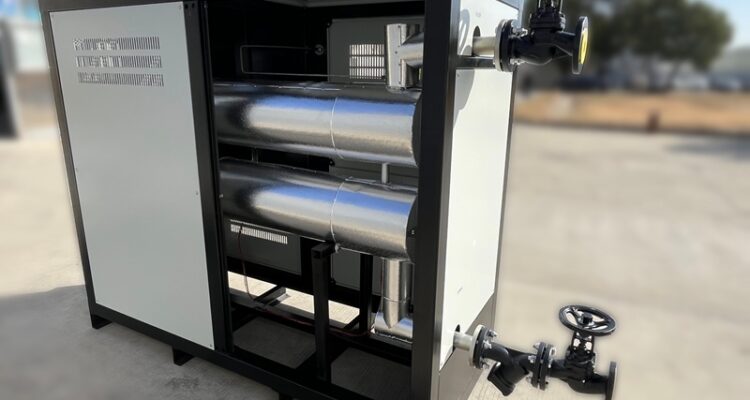
thermal oil heater fuel consumption
Thermal Oil Heater Fuel Consumption: What Actually Drives Your Operating Costs
Fuel consumption is the number one concern for anyone running a thermal oil heater. You can size the system perfectly, pick the right fluid, install everything by the book — but if your fuel bill keeps climbing, none of that matters. The truth is, fuel consumption in thermal oil heaters isn’t a fixed number. It shifts with load, ambient conditions, oil condition, and how well the system was commissioned in the first place. Understanding what actually moves the needle helps you cut costs without gutting performance.
What Determines Fuel Consumption in a Thermal Oil Heater
Most operators think fuel consumption is just about the burner rating. That’s only part of the picture. The real drivers are thermal load, system efficiency, and heat losses — and each one behaves differently depending on your operating conditions.
Thermal Load vs. Actual Fuel Burn
The thermal load is the amount of heat your process actually needs, measured in kW or kcal/h. But the fuel burner doesn’t know what your process needs — it just burns. The gap between what you burn and what you use is where money disappears. A system running at 40% load with a burner cycling on and off will burn significantly more fuel per unit of useful heat than one running steadily at 80% load with a modulating burner. That on-off cycling wastes fuel during every ignition sequence and every cool-down period. It also shortens burner life and stresses the heat exchanger.
The key metric here is the turndown ratio. A burner with a 5:1 turndown can match loads down to 20% of capacity without shutting off. One with a 10:1 ratio goes to 10%. The wider the range, the less fuel you waste during partial-load operation — and partial load is where most thermal oil systems actually spend their time.
System Efficiency: Where the Real Losses Hide
Thermal efficiency of a well-designed thermal oil heater sits between 92% and 97%. That sounds high, but it means 3–8% of your fuel energy never reaches the oil. Where does it go?
Stack losses are the biggest culprit. Flue gas leaving the chimney carries away heat that should have transferred to the oil. If your stack temperature runs above 200°C, you’re losing more than you need to. A properly tuned burner with an economizer can pull that stack temp down to 140–160°C and recover another 3–5% efficiency. That’s not a marginal gain — over a year of continuous operation, it can reduce fuel consumption by thousands of liters or cubic meters depending on your fuel type.
Radiation losses from the heater shell matter too. Bare steel surfaces at 250°C radiate heat into the surrounding air. Adding ceramic fiber or mineral wool insulation reduces surface temperature to near-ambient and cuts those losses dramatically. Plants that skip insulation to save on upfront cost end up paying for it every single month in fuel.
Fuel Consumption by Fuel Type: Direct Comparison
Different fuels behave very differently in thermal oil heaters. The choice you make at the design stage locks in your fuel consumption profile for the life of the equipment.
Natural Gas: The Efficiency Leader
Natural gas burns clean and hot. Flame temperatures reach 1900°C or higher, which means excellent heat transfer to the oil. Thermal efficiency with natural gas typically hits 94–97% in a well-maintained system. The specific fuel consumption for natural gas in thermal oil heaters runs roughly 75–85 m³ per million kcal of useful heat, depending on the moisture content of the gas and stack temperature. The main downside? Gas prices fluctuate, and supply interruptions can shut down production overnight. For plants in regions with stable gas infrastructure, it’s hard to beat on both efficiency and emissions.
Diesel and Heavy Fuel Oil: Reliable but Costly
Diesel burns hotter than natural gas but dirtier. The flame temperature sits around 2100°C, and the carbon content of the fuel means more soot buildup on heat transfer surfaces. Soot is an insulator — even a 1mm layer on the inside of your heater tubes can drop efficiency by 5–8%. That means diesel-fired systems need more frequent cleaning to maintain their rated efficiency. Specific fuel consumption for diesel hovers around 65–75 kg per million kcal. Heavy fuel oil is cheaper per liter but worse on every other metric — higher viscosity, more sulfur, more coking, and lower flame controllability. If you’re running HFO, expect 10–15% higher fuel consumption compared to diesel for the same thermal output.
Biomass and Waste Oil: The Wild Card
Some plants run on waste cooking oil, palm oil, or biomass pellets. These fuels can slash fuel costs by 40–60% compared to diesel. But the catch is consistency. Waste oil varies in calorific value from batch to batch. Biomass moisture content swings with the season. That variability means your burner needs constant retuning, and your fuel consumption numbers will bounce around. You can’t benchmark these the way you can with natural gas or diesel. What you can do is install a flue gas analyzer and track your actual heat output versus fuel input in real time. That’s the only honest way to measure consumption with alternative fuels.
How to Reduce Fuel Consumption Without Replacing Equipment
You don’t need a new heater to cut your fuel bill. Most savings come from operational changes and basic maintenance that most plants skip.
Keep Your Thermal Oil Clean
Dirty oil is the silent fuel killer. As thermal oil degrades, its viscosity increases and its heat transfer coefficient drops. A system running with oil that has carbon residue above 1.5% or acid value above 0.5 mg KOH/g will burn 8–12% more fuel than the same system with fresh oil. The degraded oil doesn’t carry heat as effectively, so the burner runs longer to reach the same outlet temperature. Annual oil testing and timely replacement or regeneration isn’t optional — it’s a fuel-saving strategy.
Fix Air Leaks and Insulate Pipes
Every air leak in your flue gas path pulls in cold air that the burner has to heat up. That’s wasted fuel. A 5% air ingress can increase fuel consumption by 3–4%. Check your door seals, flange connections, and expansion joints at least twice a year. Pipe insulation matters just as much. Uninsulated pipes at 280°C lose 80–120 W per meter of pipe. Multiply that across a 200-meter loop and you’re dumping tens of kW into the air for no reason. Insulating that same loop costs almost nothing and pays for itself in weeks.
Monitor Stack Temperature Daily
A stack temperature that creeps up by 20°C over a month tells you something is wrong — fouled tubes, excess air, or a misadjusted burner. Operators who check stack temp every shift catch problems early. Those who don’t find out when their fuel bill spikes at the end of the quarter. A simple thermocouple on the flue and a daily log entry is all it takes.
Calculating Your Actual Fuel Consumption
The basic formula is straightforward:
Fuel consumption = Thermal load / (Fuel calorific value × System efficiency)
But the numbers you plug in must be real, not theoretical. Use your actual stack temperature to calculate real efficiency, not the nameplate number. Use the actual calorific value of your fuel as delivered, not the datasheet value. And measure your thermal load with a flow meter and temperature sensors on the oil loop — don’t guess based on burner rating.
For example, if your process needs 500 kW of heat, your natural gas has a calorific value of 8600 kcal/m³, and your real system efficiency is 94%, your gas consumption works out to roughly 46 m³/h. If efficiency drops to 88% due to fouling, that jumps to 49 m³/h. Three cubic meters per hour doesn’t sound like much — until you multiply it by 8000 operating hours per year. That’s 24,000 m³ of wasted gas, and the money goes straight out the chimney with the flue gas.
Related Posts