Accurately calculating the required heating capacity for a thermal oil heater is a foundational step…
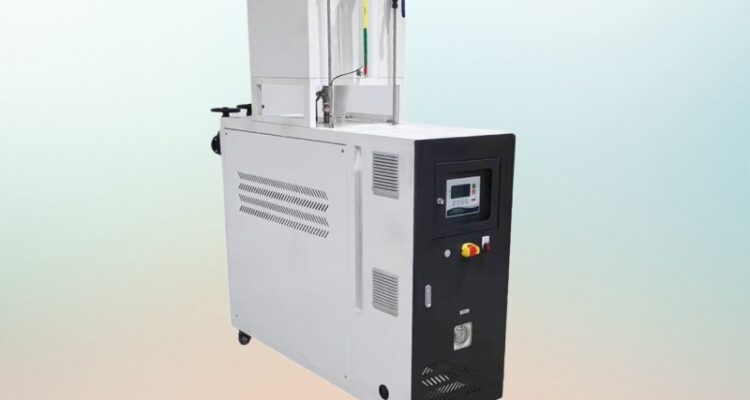
thermal oil heater heat recovery system
Integrating a heat recovery system into a thermal oil heater setup is one of the most effective ways to reduce operational costs and improve overall energy efficiency. By capturing waste heat that would otherwise be expelled through the flue stack, these systems directly lower fuel consumption, decrease emissions, and enhance the sustainability profile of the entire heating process. The design and implementation of a heat recovery strategy must be tailored to the specific thermal demands of the facility, the heater’s operating profile, and the characteristics of the exhaust stream to ensure a practical return on investment.
Utilizing Exhaust Gas Economizers for Preheating Applications
The most common and straightforward heat recovery method involves installing an economizer in the exhaust flue of the thermal oil heater. This device is essentially a heat exchanger that transfers residual thermal energy from the hot flue gases to a cooler fluid stream. The recovered energy is often used to preheat the combustion air entering the burner, which raises the temperature of the air-fuel mixture and improves combustion efficiency, thereby reducing the primary fuel required to reach the same heat output.
Alternatively, the captured heat can be directed to preheat a process stream, such as make-up water for boilers, cleaning solutions, or incoming raw materials that require initial warming. This application directly offsets energy that would otherwise need to be supplied by the main heater or a separate energy source. The design of the economizer must account for the exhaust gas temperature and flow rate, as well as the risk of condensation and acid formation if the exhaust is cooled below its dew point, which can lead to corrosion. Proper material selection and control of the final exhaust temperature are critical for long-term, maintenance-free operation.
Integrating Thermal Oil Coolers for Closed-Loop Process Heat
In many industrial processes, excess heat from the thermal oil loop itself can be a valuable resource. A thermal oil cooler, or secondary heat exchanger, can be installed in a bypass line to extract heat from the main circuit. This recovered thermal energy can then be transferred to other plant processes that require lower-grade heat, such as space heating for buildings, pre-drying of materials, or supplying warmth to washing and rinsing stages.
This approach creates a cascading or staged use of energy. High-temperature heat from the heater serves the primary high-temperature process, while the still-warm oil, before returning to the heater, gives up its remaining usable energy to a secondary, lower-temperature application. This maximizes the utility extracted from every unit of fuel burned. The integration requires careful hydraulic balancing and control to ensure it does not disrupt the primary process temperature or flow, often managed through three-way control valves and dedicated pump circuits.
Recovering Heat from System Auxiliaries and Through Advanced Cycles
Beyond the main flue stream, other sources of waste heat within the thermal oil system can be tapped. The jacket cooling systems of main circulation pumps, for example, often reject heat to the atmosphere. This low-grade heat can be captured via a liquid-to-liquid heat exchanger and used for applications like domestic hot water heating or frost protection in storage areas.
For facilities seeking to maximize recovery, more advanced systems like Organic Rankine Cycles (ORC) can be considered. In an ORC system, waste heat from the thermal oil heater exhaust is used to vaporize an organic working fluid with a low boiling point. This vapor drives a turbine to generate electricity. While the capital cost is higher, this transforms waste heat into a valuable power credit, offering a significant step towards energy independence. The feasibility of such advanced recovery depends heavily on the scale of operation, the temperature and stability of the waste heat source, and local energy costs. A thorough audit of all waste heat streams—from exhaust gases, cooled oil, and auxiliary equipment—is the essential first step in designing a comprehensive and cost-effective heat recovery network.
Related Posts