Accurately calculating the required heating capacity for a thermal oil heater is a foundational step…
thermal oil heater heat transfer oil selection
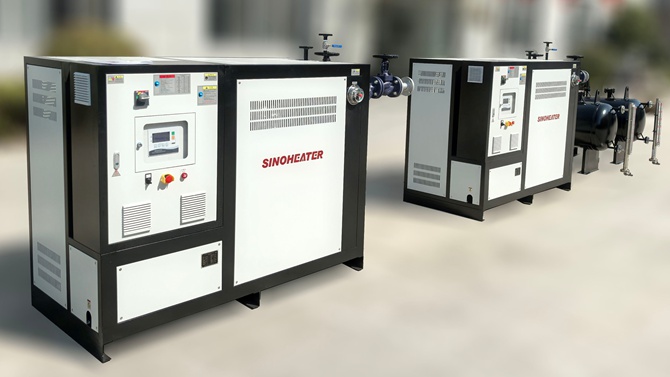
If you are running a thermal oil heater system for industrial process heating, picking the right heat transfer oil is one of the most impactful choices you can make for long-term performance, safety, and operational cost control. Many facility teams skip deep evaluation of their heat transfer fluid and end up facing unexpected downtime, frequent maintenance, or even avoidable safety risks down the line. This guide breaks down the practical, field-tested factors you need to weigh when selecting heat transfer oil for your thermal oil heater, tailored to real-world operating conditions across different industrial use cases.
Match Operating Temperature Ranges to Fluid Thermal Limits
The first non-negotiable step in your selection process is aligning the fluid’s maximum allowable temperature with both your system’s regular working temperature and the peak film temperature that forms directly on the heater’s heating surface. Even if your process runs at a steady 220°C, the localized heat on the heater element can reach 50 to 100°C higher than the bulk fluid temperature, so the oil you choose must have enough thermal headroom to handle that extra stress.
Pay close attention to how the fluid performs under sustained high heat over months and years. Oils with poor thermal stability will start to break down at temperatures close to their rated maximum, forming light low-boiling components that create vapor locks in the loop, cause pump cavitation, and drive up evaporation loss. Over time, the heavier polymerized byproducts from this breakdown will stick to the inner walls of the heater tubes and piping, forming hard carbon deposits that act as an insulating layer. This buildup forces your heater to burn more fuel to reach the same target temperature, and in severe cases, it can create localized overheating spots that damage the heater core. For systems that run continuously 24/7, choosing a fluid that retains its stability 30 to 50°C above your normal operating temperature will drastically extend service life and cut unplanned shutdowns.
Evaluate System Design and Ventilation Configuration
The layout of your thermal oil heater loop plays a huge role in determining which heat transfer oil will perform reliably long term. Systems that run with an open expansion tank, no nitrogen blanketing, or frequent exposure to ambient air at temperatures above 60°C require a fluid with strong oxidation resistance. When hot oil comes into regular contact with oxygen, it will slowly form acidic byproducts, sludge, and sediment that corrode piping, clog filters, and throw off temperature control accuracy.
For closed-loop systems fitted with full nitrogen sealing, temperature interlocks, and leak prevention safeguards, you can opt for fluids formulated for higher peak temperature ranges that prioritize thermal stability over extra oxidation protection. If your facility operates in a cold climate where ambient temperatures drop well below freezing for extended periods, you will also need to verify the fluid’s pour point and low-temperature pumpability. A fluid that gets too viscous when cold will make startup nearly impossible in winter, forcing you to run the pump under extreme strain that can burn out seals or damage the motor before the system even reaches operating temperature. No matter your system type, avoid fluids with high concentrations of low-boiling fractions, as these will vaporize easily during initial heat-up and create unstable pressure spikes that disrupt normal operation.
Prioritize Flow, Heat Transfer and Safety Performance
Even a thermally stable oil will underperform if it does not have the right physical properties to move heat efficiently through your entire loop. Look for a fluid that maintains a moderate, consistent viscosity across your full operating temperature range. Too high viscosity at working temperatures will increase pumping power demand, slow down circulation, and create uneven heat distribution across the heater. Too low viscosity can reduce the fluid’s ability to form a consistent protective film on pump components, leading to faster mechanical wear.
A high specific heat and thermal conductivity are key to moving more heat per unit of fluid, which means your system can deliver the required process temperature with lower flow rates and less energy consumption. For safety, confirm that the fluid has a high flash point, fire point, and autoignition temperature that all sit well above your system’s maximum operating temperature. This reduces the risk of accidental ignition even if a small leak occurs on a hot surface. Non-corrosive properties and low toxicity will also cut down on hidden maintenance work, reduce environmental impact from accidental spills, and make routine system checks far safer for your operation team.
Related Posts