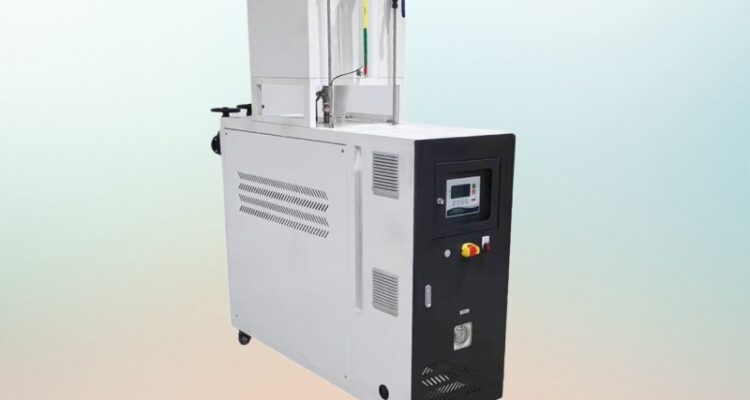
Accurately calculating the required heating capacity for a thermal oil heater is a foundational step…
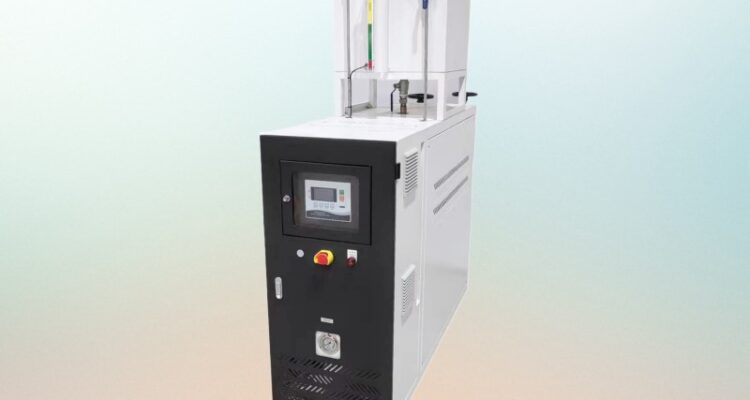
thermal oil heater high temperature alarm
Thermal Oil Heater High Temperature Alarm: Why It Triggers and What to Do About It
That alarm just went off on your thermal oil heater and the whole control room went quiet. If you have been running these systems for any length of time, you know the feeling. The high temperature alarm is one of the most common safety events in thermal oil heater operations, and it shuts everything down fast. But here is the thing most operators get wrong: the alarm is not the problem. It is the messenger. The real question is what it is telling you and whether you are responding correctly.
What Exactly Is a High Temperature Alarm on a Thermal Oil Heater
A thermal oil heater uses a heat transfer fluid, usually a synthetic or mineral-based oil, to carry thermal energy from the burner to the process. The oil circulates through a closed loop, gets heated in the furnace, travels to the equipment that needs heat, and returns cooled. The high temperature alarm is a safety cutoff triggered when the oil temperature exceeds a preset threshold, typically somewhere between 320 and 350 degrees Celsius depending on the oil type and system design.
When this alarm activates, the burner shuts off immediately. Some systems also trigger a pump lockout to prevent the oil from circulating while it is overheating. This is not a malfunction. This is the system doing exactly what it was built to do, which is preventing the oil from reaching its auto-ignition point or degrading into sludge.
The alarm usually has two stages. The first is a warning, a flashing light or a buzzer that tells you the temperature is approaching the limit. The second is a full shutdown, where the burner cuts out and the system locks down until someone resets it manually. Confusing these two stages is a common mistake. The warning stage is your window to act. The shutdown stage means you already missed it.
Why the High Temperature Alarm Keeps Going Off
Oil Flow Problems Are the Leading Cause
The number one reason a thermal oil heater hits its high temperature alarm is not a bad sensor. It is insufficient oil flow. When the circulation pump slows down, fails, or gets partially blocked, the oil spends too long in the heater coils. It absorbs more heat than it should, the outlet temperature climbs, and the alarm fires.
This can happen for dozens of reasons. A clogged strainer on the pump suction line restricts flow. A partially closed valve somewhere in the loop starves the heater. Air trapped in the system creates pockets where oil cannot circulate, and those pockets overheat fast. Even a worn pump impeller that has lost efficiency over time can push just enough oil to keep the system running but not enough to keep the temperature under control.
Check the flow meter first every single time the alarm triggers. If the flow reading is below the design value, you have found your culprit. Do not just reset the alarm and move on. The oil was overheating, and overheated oil degrades. It forms carbon deposits on the heater tubes, it thickens, and it loses its heat transfer capability. One ignored alarm can cost you thousands in oil replacement and tube cleaning within weeks.
Sensor Failure and Calibration Drift
Thermocouples and RTDs are the eyes of your temperature control system, and they lie more often than operators want to believe. A thermocouple that has drifted by even 15 degrees can cause the controller to read a false high temperature and trigger the alarm even though the actual oil temperature is fine. Conversely, a failed sensor that reads low can let the oil get dangerously hot without any alarm at all, which is far worse.
Sensor failure usually shows up as an erratic alarm pattern. The temperature reading jumps around, the alarm triggers and clears on its own, or the alarm fires at the same time every day even though operating conditions have not changed. If you see any of these behaviors, pull the sensor and test it against a calibrated reference. Replace it if the reading is off by more than 5 percent. Do not wait for a catastrophic failure.
Burner Malfunction and Fire Tube Fouling
When the burner runs too hot or fires unevenly, the heat input to the oil exceeds what the system was designed to handle. This pushes the oil temperature past the alarm setpoint even with normal flow. Common burner issues include a clogged fuel nozzle that creates an overly rich flame, a misaligned burner that concentrates heat on one section of the coil, or dirty fire tubes that reduce heat transfer efficiency and cause localized overheating.
Fire tube fouling is especially sneaky. Carbon builds up on the inside of the tubes over time, acting as insulation. The flame heats the tube wall, but the heat does not transfer efficiently into the oil. The tube metal gets hotter and hotter, the oil on the other side of the fouled section does not absorb enough heat, and the overall system temperature climbs because the controller keeps calling for more heat to reach the setpoint. Eventually the oil outlet temperature spikes and the alarm goes off.
Regular tube cleaning, typically once or twice a year depending on oil quality and operating hours, prevents this. If you have not cleaned your tubes in over a year and the high temperature alarm is becoming a regular visitor, fouling is almost certainly involved.
How to Respond When the Alarm Hits
Do Not Just Reset and Restart
This is the single most dangerous thing an operator can do. The alarm shut the system down for a reason. If you hit the reset button and fire the burner back up without investigating, you are running blind. The oil might still be degraded. The flow might still be restricted. The sensor might still be giving false readings. You are essentially hoping the problem fixed itself, and in thermal oil systems, hope is not a maintenance strategy.
The correct response is a systematic check. First, verify the actual oil temperature with a handheld infrared thermometer aimed at the oil outlet pipe. Compare that to what the controller is showing. If they match, the temperature is genuinely high. If they do not match, the sensor is the problem. Second, check the flow meter and pump pressure. Third, inspect the burner flame visually if possible. Fourth, look for any signs of oil leakage, which can reduce the total oil volume in the system and cause temperature spikes.
Understand the Difference Between Alarm and Shutdown
The warning alarm is there to give you time. When you see the warning, reduce the burner load immediately. Do not wait for the full shutdown. Dropping the flame to 50 percent can bring the oil temperature back under control within minutes, and you avoid a full system lockout that takes hours to recover from.
The full shutdown requires a manual reset after the cause is identified and corrected. Some controllers also require a cool-down period before they will allow a restart, which can be anywhere from 15 to 60 minutes depending on the design. Plan for this. If your process cannot tolerate a one-hour shutdown, you need a backup heater or a buffer tank, and you should have had that conversation with your engineering team months ago, not right now while the alarm is screaming.
Preventing High Temperature Alarms Before They Happen
Build a Maintenance Schedule Around the Alarm Setpoint
Most thermal oil heater alarms are preventable. The triggers, flow restriction, sensor drift, and tube fouling, all develop gradually over time. A maintenance schedule that includes monthly flow checks, quarterly sensor calibrations, and annual tube inspections will catch these issues long before they become alarm events.
Keep a log of every alarm event, even the warning-stage ones that did not cause a shutdown. Over time, patterns emerge. If the alarm fires every Tuesday afternoon, there is a process load change happening at that time that your system cannot handle. If it fires after maintenance, someone probably left a valve partially closed or forgot to bleed air from the system. The log is more valuable than the alarm itself.
Install Redundant Temperature Monitoring
Relying on a single thermocouple for high temperature protection is asking for trouble. A second independent sensor, positioned at a different point in the oil loop, gives you cross-verification. If both sensors agree that the temperature is high, you have a real problem. If they disagree, you have a sensor problem. Either way, you know what to act on instead of guessing.
Redundant monitoring also protects against the worst-case scenario: a sensor that fails in the reading-low direction. If your only sensor says the oil is at 300 degrees when it is actually at 380, you have no alarm, no shutdown, and a serious fire risk. A second sensor catches that discrepancy and triggers the alarm even if the primary sensor is lying to you.
Related Posts