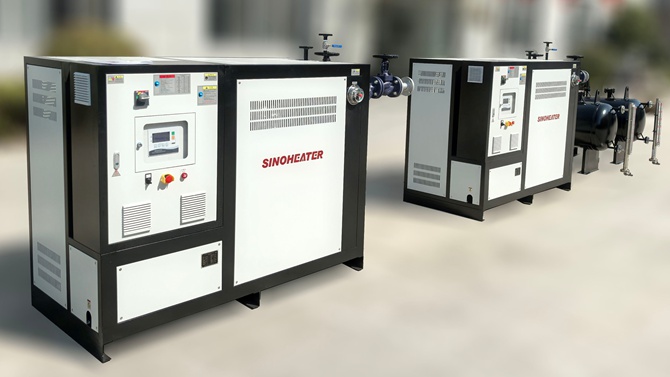
Asphalt plant operations rely on consistent, reliable high-temperature heat to keep aggregate drying, bitumen storage,…
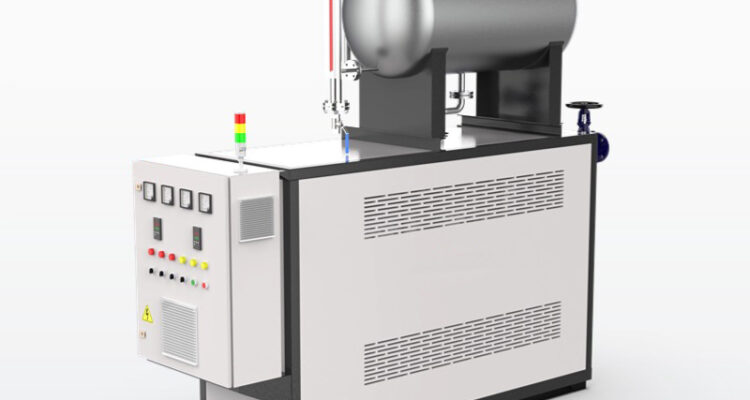
thermal oil heater operation manual
Thermal Oil Heater Operation Manual
A thermal oil heater is widely used in industrial heating systems that require stable high-temperature operation and accurate thermal control. Proper operation procedures help maintain system efficiency, reduce energy consumption, and improve equipment lifespan.
Understanding the correct operating sequence is important for preventing overheating, circulation problems, and unnecessary equipment damage. Industrial operators should follow consistent startup, running, and shutdown procedures to ensure safe and stable performance.
Pre-Operation Inspection Procedures
Before starting the thermal oil heater, operators should complete a full inspection of the heating system.
Check Thermal Oil Level
The thermal oil level inside the expansion tank should remain within the recommended operating range. Insufficient oil volume may affect circulation stability and increase overheating risk inside the heater coil.
Excessive oil level may also create pressure fluctuations during thermal expansion.
Inspect Pipeline Connections
All pipe joints, valves, flanges, and pump seals should be checked for leakage. Even small oil leaks may reduce heating efficiency and create safety hazards during operation.
Pipeline supports and insulation should also remain in good condition.
Verify Electrical and Control Systems
Temperature sensors, pressure gauges, circulation pumps, and control panels should operate normally before ignition begins.
Operators should confirm:
- Alarm systems function correctly
- Emergency shutdown devices remain active
- Power supply connections are stable
- Control settings match process requirements
Reliable monitoring systems help maintain safe operation during industrial heating.
Confirm Fuel Supply Conditions
The burner fuel supply system should remain clean and unobstructed. Fuel pressure and air supply conditions should meet operational requirements for stable combustion.
Combustion air pathways and exhaust systems should also remain clear before startup.
Thermal Oil Heater Startup Procedure
Correct startup procedures help protect equipment from thermal shock and circulation instability.
Start the Circulation Pump First
The circulation pump must operate before activating the burner system. Continuous oil flow prevents localized overheating inside the heater coil during temperature rise.
Operators should confirm stable pump operation and proper flow conditions before ignition.
Ignite the Burner System
After circulation becomes stable, the burner can be started according to operating instructions. The ignition process should remain smooth without abnormal vibration or unstable flame conditions.
Flame monitoring devices should verify normal combustion immediately after ignition.
Increase Temperature Gradually
Thermal oil temperature should rise slowly during startup. Rapid heating may create excessive thermal stress within pipelines and connected equipment.
Gradual temperature increase also helps eliminate residual moisture inside the system safely.
Monitor Initial Operating Conditions
During the warm-up stage, operators should continuously observe:
- Inlet and outlet oil temperature
- System pressure
- Pump vibration
- Burner flame condition
- Exhaust gas condition
- Expansion tank behavior
Stable readings indicate proper system operation.
Normal Operating Procedures
Once the system reaches operating temperature, continuous monitoring remains essential.
Maintain Stable Temperature Control
The thermal oil heater should maintain consistent outlet temperature according to process requirements. Sudden temperature fluctuations may indicate circulation restrictions, burner instability, or sensor malfunction.
Automatic controllers help regulate burner output based on real-time heating demand.
Monitor System Pressure
Although thermal oil systems usually operate at lower pressure than steam boilers, abnormal pressure changes may signal pipeline blockage or fluid circulation problems.
Pressure readings should remain stable during continuous operation.
Observe Burner Combustion Performance
Efficient combustion improves fuel utilization and supports stable heat generation. Operators should monitor flame stability, exhaust condition, and burner sound during operation.
Abnormal combustion may result in:
- Excessive smoke emission
- Increased fuel consumption
- Incomplete combustion
- Unstable heating performance
Routine observation helps identify problems early.
Check Circulation Pump Condition
The circulation pump should operate smoothly without excessive noise or vibration. Changes in pump performance may affect heat transfer efficiency and increase overheating risk inside the heater coil.
Continuous circulation is critical for safe operation.
Shutdown Procedure for Thermal Oil Heater
Correct shutdown procedures help protect the heating system from thermal damage and oil degradation.
Stop Burner Operation First
The burner should be turned off before stopping oil circulation. Heat generation must stop while thermal oil continues flowing through the system.
This process helps remove residual heat from the heater coil safely.
Continue Oil Circulation During Cooling
The circulation pump should continue operating until thermal oil temperature decreases to a safe level. Premature pump shutdown may trap excessive heat inside the heater body.
Controlled cooling helps reduce thermal stress on system components.
Monitor Cooling Process
Operators should observe temperature and pressure conditions during shutdown. Cooling should remain gradual and stable without abnormal system behavior.
Expansion tank oil level may also change as temperature decreases.
Disconnect Power if Necessary
For long-term shutdown or maintenance work, electrical systems and fuel supply connections should be safely isolated after cooling is complete.
Safety Precautions During Operation
Industrial heating systems operate under demanding thermal conditions, making safety management essential.
Prevent Overheating
Low circulation flow or blocked pipelines may cause thermal oil overheating inside the heater coil. Continuous monitoring of flow conditions helps reduce this risk.
Automatic temperature protection systems should remain active at all times.
Avoid Moisture Contamination
Water entering the thermal oil system may create unstable circulation and sudden vapor formation during heating.
Operators should keep the system sealed and dry during operation and maintenance.
Maintain Proper Ventilation
Combustion systems require sufficient ventilation for stable flame performance and safe exhaust gas discharge.
Poor ventilation may reduce combustion efficiency and increase operating risk.
Respond Quickly to Alarm Conditions
Alarm systems help identify abnormal operating conditions such as:
- High outlet temperature
- Low circulation flow
- Burner flame failure
- Excessive pressure increase
Operators should investigate alarm causes immediately before restarting the system.
Routine Operational Checks
Daily inspection supports stable industrial heating performance and helps reduce unplanned downtime.
Inspect Thermal Oil Condition
Darkened oil color, sludge formation, or unusual odor may indicate thermal oil degradation.
Regular oil analysis helps maintain heat transfer efficiency and circulation stability.
Check Insulation Performance
Damaged insulation increases heat loss and raises energy consumption. Insulation surfaces should remain intact throughout operation.
Clean Combustion Components
Dust and soot buildup inside the burner or exhaust system may reduce heating efficiency over time.
Routine cleaning helps maintain stable combustion conditions and improves thermal performance.
Common Operating Problems
Several operational issues may appear during long-term industrial use.
Unstable Temperature
Temperature fluctuations may result from poor circulation, burner adjustment problems, or sensor malfunction.
Excessive Fuel Consumption
Higher fuel usage often indicates combustion inefficiency, insulation damage, or heat transfer problems.
Pump Cavitation
Insufficient oil flow or trapped air may create cavitation inside the circulation pump, causing abnormal vibration and reduced flow stability.
Carbon Deposit Formation
Prolonged overheating may create carbon deposits inside the heater coil, reducing heat transfer efficiency and increasing maintenance requirements.
Related Posts