Asphalt plant operations rely on consistent, reliable high-temperature heat to keep aggregate drying, bitumen storage,…
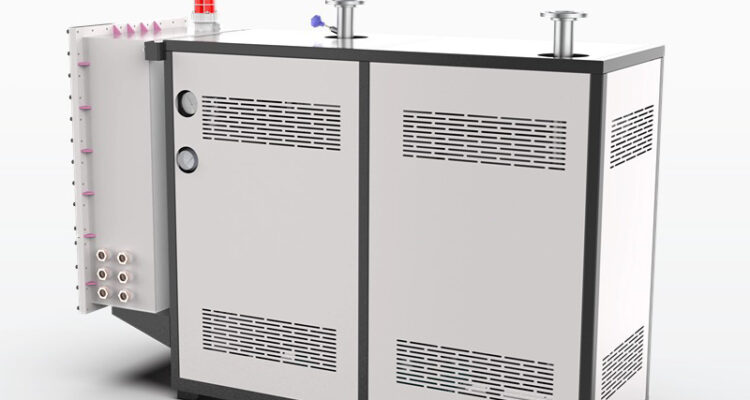
thermal oil heater safety precautions
Thermal Oil Heater Safety Precautions
Thermal oil heaters are widely used in industrial heating systems because they provide stable high-temperature operation under relatively low pressure conditions. Even though these systems are designed for efficient heat transfer, improper operation or maintenance can create serious safety risks.
Understanding thermal oil heater safety precautions helps reduce equipment damage, prevent overheating, and maintain stable industrial production. Proper safety management should include inspection routines, operating procedures, emergency protection, and thermal fluid monitoring.
Safe Installation Practices for Thermal Oil Heaters
Safety begins during the installation stage. Incorrect installation may increase the risk of leakage, overheating, or circulation failure during operation.
Choose a Proper Installation Environment
The thermal oil heater should be installed in a well-ventilated area with sufficient working space around the equipment. Restricted airflow may affect combustion efficiency and increase heat accumulation inside the operating environment.
The installation area should also remain dry and free from flammable materials.
Maintain Stable Foundation Support
A strong and level foundation helps reduce vibration and mechanical stress during long-term operation. Unstable foundations may cause pipe misalignment, leakage, or damage to circulation components.
Proper support structures also help protect connected pipelines from excessive thermal expansion stress.
Ensure Correct Pipeline Installation
Pipelines should be installed according to system design requirements. Incorrect routing or unsupported pipe sections may create excessive stress and affect circulation stability.
All valves, flanges, and welded joints should be inspected carefully before startup.
Operational Safety Precautions
Proper operation procedures are essential for maintaining safe heating conditions.
Start Circulation Before Ignition
The circulation pump must operate before burner ignition begins. Thermal oil flow removes heat from the heater coil and prevents localized overheating.
Starting the burner without oil circulation may rapidly damage internal components and degrade the thermal fluid.
Increase Temperature Gradually
Thermal oil temperature should rise slowly during startup. Rapid heating creates thermal stress inside pipelines and equipment surfaces.
Gradual temperature increase also helps remove residual moisture safely from the system.
Monitor Temperature Continuously
Operators should continuously monitor inlet and outlet oil temperatures during operation. Sudden temperature changes may indicate circulation blockage, burner malfunction, or sensor failure.
Stable temperature control improves operational safety and protects the thermal oil from excessive degradation.
Avoid Excessive Operating Temperature
Operating above the recommended thermal oil temperature range accelerates oxidation and carbon formation inside the system.
Overheating may lead to:
- Reduced heat transfer efficiency
- Sludge accumulation
- Increased fire risk
- Shortened thermal oil lifespan
- Damage to heater coils
Maintaining controlled operating conditions helps reduce these risks.
Thermal Oil Safety Management
The condition of the thermal oil directly affects system safety and heating performance.
Prevent Thermal Oil Oxidation
Thermal oil reacts with oxygen at high temperatures, gradually forming sludge and carbon deposits. Excessive oxidation reduces heat transfer performance and increases circulation resistance.
Minimizing air exposure inside the expansion tank helps slow oxidation.
Monitor Thermal Oil Quality
Routine oil analysis helps identify early signs of degradation. Operators should inspect for:
- Viscosity changes
- Carbon residue formation
- Moisture contamination
- Acid buildup
- Flash point reduction
Poor oil quality may increase overheating risk and reduce system reliability.
Prevent Moisture Contamination
Water entering the thermal oil system may vaporize rapidly during heating, causing unstable circulation and pressure fluctuations.
Moisture contamination may occur through:
- Improper maintenance procedures
- Expansion tank exposure
- Condensation during shutdown
- Pipeline leakage
Keeping the system sealed helps maintain stable operation.
Combustion System Safety
The burner and combustion chamber require careful monitoring during operation.
Maintain Proper Combustion Air Supply
Adequate airflow supports stable fuel combustion and reduces incomplete burning. Insufficient air supply may produce excessive smoke and increase carbon buildup inside the combustion chamber.
Clean combustion conditions improve thermal efficiency and reduce operating hazards.
Inspect Burner Flame Stability
The burner flame should remain stable without abnormal flickering or sudden shutdown. Unstable combustion may indicate fuel supply problems or improper air adjustment.
Flame monitoring devices should always remain functional during operation.
Keep Exhaust Systems Clear
Blocked exhaust pathways may reduce combustion efficiency and increase furnace chamber temperature. Regular exhaust inspection helps maintain safe airflow and stable burner performance.
Accumulated soot and debris should be removed routinely.
Pressure and Circulation Safety
Although thermal oil systems operate at lower pressure than steam systems, circulation stability remains extremely important.
Monitor System Pressure
Pressure gauges help identify abnormal operating conditions such as blocked pipelines or circulation restrictions.
Unexpected pressure increases may indicate:
- Thermal oil overheating
- Valve blockage
- Pump malfunction
- Expansion tank problems
Stable pressure readings support safer system operation.
Protect the Circulation Pump
The circulation pump must maintain continuous oil flow throughout operation. Pump failure can quickly lead to dangerous overheating inside the heater coil.
Operators should monitor:
- Pump vibration
- Motor temperature
- Noise level
- Flow stability
- Seal leakage
Routine maintenance helps prevent unexpected circulation failure.
Avoid Air Entrapment
Air trapped inside the circulation system may reduce heat transfer efficiency and create unstable pump conditions.
Proper venting procedures help remove air during startup and maintenance operations.
Emergency Safety Procedures
Industrial heating systems should always include emergency protection measures.
Emergency Shutdown System
Automatic shutdown devices help protect the system during abnormal conditions such as:
- Low oil circulation
- Excessive outlet temperature
- Burner flame failure
- High pressure conditions
These protection systems reduce the risk of equipment damage and fire hazards.
Fire Prevention Measures
Thermal oil systems operate at elevated temperatures, making fire prevention extremely important.
Operators should:
- Clean leaked oil immediately
- Keep combustible materials away from hot surfaces
- Inspect insulation regularly
- Maintain proper ventilation
- Monitor burner operation continuously
Fire extinguishing equipment should remain accessible near the installation area.
Respond Quickly to Alarm Conditions
Alarm signals should never be ignored during operation. Immediate investigation helps prevent small operational problems from developing into major safety incidents.
Restarting the system without identifying the root cause may increase equipment damage and operational risk.
Maintenance Safety Precautions
Maintenance work should follow strict safety procedures to protect personnel and equipment.
Cool the System Before Maintenance
High-temperature thermal oil may cause severe burns. Maintenance work should only begin after the system cools to a safe temperature.
Residual pressure should also be released before opening pipelines or valves.
Isolate Electrical and Fuel Systems
Electrical power and fuel supply connections should be disconnected during maintenance procedures.
Proper isolation helps prevent accidental burner startup during servicing.
Use Proper Protective Equipment
Operators and maintenance personnel should wear suitable protective equipment when working around high-temperature systems.
Protective clothing may include:
- Heat-resistant gloves
- Eye protection
- Protective footwear
- Long-sleeved work clothing
Safe maintenance procedures help reduce injury risk during industrial heating operations.
Related Posts