Accurately calculating the required heating capacity for a thermal oil heater is a foundational step…
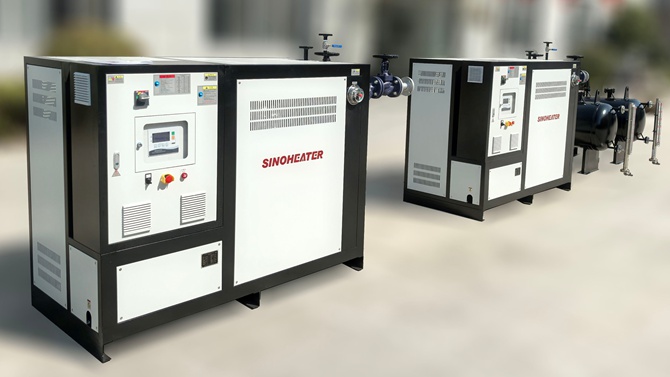
thermal oil heater shutdown procedure
Thermal Oil Heater Shutdown Procedure: How to Turn It Off Safely and Protect Your System
Shutting down a thermal oil heater is not just about flipping a switch. If you do it wrong, you risk thermal shock, oxidation damage, pump cavitation, and years shaved off your heater’s life. Most operators know how to start the system. Very few know how to stop it properly.
This guide walks through the exact shutdown sequence that protects your thermal oil, your heater, and your pump. Follow it every single time.
Why Shutdown Sequence Matters More Than You Think
Thermal oil systems operate at high temperatures — often above 300 degrees Celsius. When you shut down carelessly, you create temperature gradients inside the heater, the pipes, and the expansion tank. Those gradients cause thermal stress. Over time, thermal stress cracks welds, degrades the oil, and destroys the pump.
A proper shutdown keeps the oil circulating while the temperature drops slowly. It prevents the oil from sitting stagnant at high heat, which causes oxidation and sludge buildup. It also protects the pump from cavitation — a condition that happens when hot oil flashes into vapor and destroys the impeller.
Skip the sequence and you are not saving time. You are spending money on repairs you could have avoided.
The Correct Shutdown Sequence Step by Step
Do this in order. Do not skip steps. Do not rearrange them.
Step 1: Cut Off the Heat Source First
Turn off the burner or the electric heater. This is the first thing you do — not the last.
When you cut the heat, the oil temperature starts to drop. But the pump is still running, which means the oil keeps circulating through the system. This is exactly what you want. Circulating oil cools evenly. Stagnant oil cools unevenly, and uneven cooling is what causes damage.
If you turn off the pump before the heat source, the oil stops moving while it is still extremely hot. The oil near the heater stays hot while the oil in the pipes cools down. That temperature difference creates stress inside the system. Cracks form. Welds weaken. The oil degrades faster.
Always cut the heat first. Always.
Step 2: Keep the Circulation Pump Running
After the heat source is off, leave the pump on. The oil needs to keep moving while it cools.
How long? Until the oil temperature drops below 100 degrees Celsius. Some operators say 80 degrees. Some say 90. The exact number depends on your system, but the rule is simple: keep the pump running until the oil is cool enough to handle without risk.
During this time, the oil is flowing through the heater, through the pipes, through the expansion tank, and back. It is cooling evenly. No hot spots. No thermal shock. No damage.
Do not turn off the pump early to “save electricity.” The cost of replacing a cracked heater tube is far more than the electricity to run a pump for an extra hour.
Step 3: Monitor the Oil Temperature
Watch the temperature gauge or the digital readout. Do not walk away and assume everything is fine.
The oil should drop at a steady rate — roughly 10 to 20 degrees per hour depending on your system size. If the temperature drops too fast, something is wrong. If it drops too slow, check the pump to make sure it is still running.
If you have a temperature recorder, note the shutdown time and the temperature at that moment. This helps you track oil degradation over time. Thermal oil breaks down faster if it sits at high temperatures for too long. A log of shutdown temperatures tells you when it is time to change the oil.
Step 4: Shut Off the Pump When the Oil Is Cool Enough
Once the oil temperature is below 100 degrees Celsius, you can turn off the circulation pump.
Do not turn it off before this point. Hot oil needs to keep moving. Cold oil does not care. The transition happens around 100 degrees — that is your cutoff.
When you shut off the pump, the oil stops circulating. It sits in the pipes and the heater. That is fine — as long as it is cool. If the oil is still hot when the pump stops, it will stratify. The hot oil rises. The cool oil sinks. The top of the heater stays hot while the bottom cools. This is how you get carbon buildup and sludge.
Step 5: Close the System Valves
After the pump is off, close the main isolation valves. This isolates the system from any external connections.
If you have a nitrogen blanket on your expansion tank, make sure it is still pressurized. The nitrogen prevents moisture from entering the system and oxidizing the oil. A dry, nitrogen-purged system lasts years longer than one exposed to air.
Check the pressure gauge on the expansion tank. It should read within the normal range — usually between 0.5 and 1.5 bar depending on your setup. If the pressure is low, add nitrogen. If you do not have nitrogen, at least make sure the tank is sealed.
Step 6: Turn Off Any Auxiliary Systems
This includes the forced draft fan, the induced draft fan, the flue gas damper, and any control panel power.
The forced draft fan should stay on for a few minutes after the burner cuts off — this purges the combustion chamber of residual gas. Check your manufacturer’s instructions for the exact purge time, but it is usually 3 to 5 minutes. After that, turn off the fan.
Close the flue gas damper. This prevents cold air from being drawn into the heater through the flue, which can cause condensation inside the heater tubes. Condensation plus high temperature equals corrosion. Close the damper and you avoid that problem.
What Happens If You Skip Steps
Thermal Shock Damage
If you cut the pump before the heat source, the oil stops moving while it is still above 250 degrees. The oil in contact with the heater tubes stays hot. The oil in the pipes cools down. The difference in temperature creates stress. Over time, this stress cracks the heater tubes.
A cracked tube means oil leaks. Oil leaks mean fire risk. Fire risk means insurance claims, downtime, and potentially serious injury. All of this from skipping one step.
Pump Cavitation
If you turn off the pump while the oil is still hot, the oil near the pump inlet can flash into vapor. Vapor does not lubricate. Without lubrication, the pump impeller grinds against the casing. The result is a destroyed pump.
Pump cavitation is silent. You do not hear it happening. By the time you notice the pump is not working, the damage is done. The only prevention is keeping the pump running until the oil is cool.
Oil Oxidation and Sludge
Thermal oil oxidizes faster at high temperatures. If the oil sits stagnant above 150 degrees for too long, it starts to break down. The breakdown products form sludge — a thick, sticky residue that clogs pipes, reduces heat transfer, and eventually destroys the system.
Keeping the oil circulating during cooldown prevents this. Moving oil cools faster than stagnant oil, and faster cooling means less oxidation. It also means the oil stays cleaner for longer, which means fewer oil changes and lower operating costs.
Special Shutdown Procedures for Different Situations
Emergency Shutdown
If there is a fire, a gas leak, or any immediate danger, forget the normal sequence. Cut everything — heat source, pump, fans, everything. Evacuate the area. Call emergency services.
After the emergency is over, do not restart the system until a qualified technician inspects it. Thermal shock from an emergency shutdown can cause hidden damage that is not visible until weeks later.
Planned Extended Shutdown (More Than 24 Hours)
If you are shutting down for days or weeks, the procedure changes slightly.
After the oil cools below 100 degrees and the pump is off, drain the oil from the system into a storage tank. Do not leave hot oil sitting in the pipes for days. Even with nitrogen protection, extended exposure to heat degrades the oil.
If you cannot drain the oil, keep the nitrogen blanket active and check the tank pressure every day. A drop in pressure means air is getting in, and air means oxidation.
Seasonal Shutdown
For systems that shut down for the summer or winter, do a full inspection before the long shutdown. Check the oil condition. Check the heater tubes for signs of coking. Check the pump for wear. Change the oil if it is degraded — do not carry bad oil into the next season.
Fill the system with fresh oil before restarting. Old oil that has been sitting for months will have absorbed moisture and oxidized. Running it through the heater will cause foaming, reduced heat transfer, and potential pump damage.
The Role of Nitrogen in Shutdown
Nitrogen blanketing is not optional. It is the single most important thing you can do for your thermal oil system during shutdown.
When the system cools, the oil contracts. If there is no nitrogen pressure, air gets sucked in through the expansion tank. That air contains moisture. Moisture plus hot oil equals acid formation. Acid eats metal. Acid destroys heater tubes. Acid ruins your oil.
A properly pressurized nitrogen blanket keeps air out. It keeps the oil dry. It keeps the system clean. Check the nitrogen pressure before every shutdown. If it is low, top it up. A nitrogen cylinder costs almost nothing compared to a heater tube replacement.
Common Shutdown Mistakes That Cost Money
Turning Off the Pump Before the Heat Source
This is the most common mistake. Operators think they are saving energy. They are actually destroying the system. The pump must stay on until the oil is cool. There is no exception.
Leaving the Flue Damper Open
An open damper after shutdown lets cold air into the heater. That cold air hits the still-hot tubes and creates condensation. Condensation causes corrosion. Close the damper every time.
Forgetting the Nitrogen Blanket
If the expansion tank is not pressurized, air enters the system. The oil oxidizes. Sludge forms. The next startup is rough — foaming, reduced efficiency, potential pump cavitation. Check the nitrogen before you walk away.
Ignoring the Temperature Gauge
Some operators shut everything off as soon as the burner cuts and walk away. They do not monitor the oil temperature. They do not know if the oil cooled properly. They do not know if the pump ran long enough. A temperature log takes ten seconds to check and can save you thousands in repairs.
How Often Should You Do a Full Shutdown Inspection
Every shutdown is an opportunity to check the system. Look for oil leaks around the pump seals. Check the heater for unusual sounds. Inspect the expansion tank for rust or damage. Look at the oil color — dark brown or black oil means it is degraded and needs changing.
Do not wait for a problem to inspect the system. The best time to find a leak is during shutdown, not during operation when the oil is under pressure and spraying everywhere.
A five-minute inspection during every shutdown catches problems early. Early problems are cheap to fix. Late problems are not.
Related Posts