Accurately calculating the required heating capacity for a thermal oil heater is a foundational step…
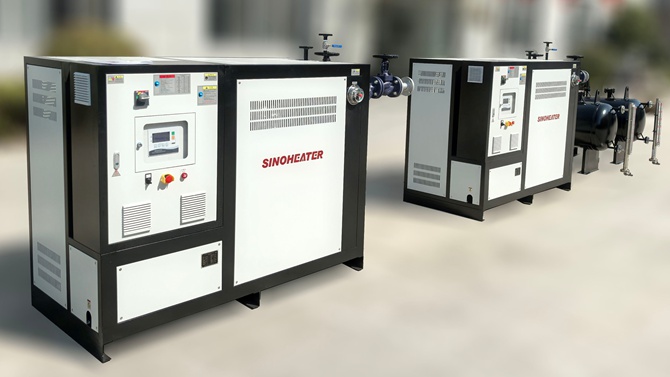
thermal oil heater temperature control
Thermal Oil Heater Temperature Control
Thermal oil heater temperature control is one of the most important factors affecting industrial heating performance, operational safety, and energy efficiency. Accurate temperature regulation helps maintain stable production conditions while protecting thermal oil systems from overheating and excessive thermal stress.
Industrial facilities often rely on thermal oil heating systems for processes that require consistent and controlled high-temperature operation. Proper temperature management improves heat transfer efficiency, supports product quality, and reduces unnecessary fuel consumption.
How Thermal Oil Heater Temperature Control Works
A thermal oil heater transfers heat through circulating thermal fluid inside a closed-loop system. Temperature control is achieved by regulating combustion intensity, circulation flow, and heat transfer conditions throughout the system.
Temperature Detection Process
Temperature sensors continuously monitor thermal oil conditions at key locations within the system. Common monitoring points include:
- Heater outlet temperature
- Heater inlet temperature
- Process equipment temperature
- Return oil temperature
- Exhaust gas temperature
These measurements provide real-time operating data for automatic control systems.
Burner Output Regulation
The burner system adjusts combustion intensity according to heating demand. When thermal oil temperature drops below the target value, the burner increases heat generation.
As the system approaches the required temperature range, the burner output decreases to maintain stable thermal conditions.
Continuous Oil Circulation
Stable circulation is essential for accurate temperature control. The circulation pump distributes heated thermal oil evenly throughout industrial equipment and returns cooler oil back to the heater.
Consistent fluid movement prevents localized overheating and improves heat transfer efficiency.
Main Components Used in Temperature Control
Several important components work together to maintain stable operating temperatures.
Temperature Sensors
Temperature sensors provide continuous monitoring of thermal oil conditions. Accurate sensors help maintain precise heating control and support safe system operation.
Improper sensor installation or calibration may lead to unstable temperature regulation.
Automatic Controllers
Automatic control systems process temperature data and regulate burner operation automatically. Modern controllers help maintain stable heat output while reducing manual adjustment requirements.
Control systems may also support alarm functions and emergency shutdown protection.
Burner Control System
The burner control system adjusts fuel supply and combustion air according to temperature demand.
Proper burner regulation improves:
- Fuel efficiency
- Heat transfer performance
- Combustion stability
- Temperature consistency
Stable burner operation is essential for maintaining industrial process temperatures.
Circulation Pump
The circulation pump helps distribute heat evenly throughout the system. Insufficient circulation may cause temperature fluctuation and overheating inside the heater coil.
Reliable pump performance supports accurate thermal control during continuous operation.
Importance of Accurate Temperature Control
Temperature stability directly affects industrial production quality and equipment reliability.
Improve Product Quality
Many industrial processes depend on precise temperature conditions. In industries such as food processing, chemical manufacturing, and textile production, unstable heating may affect material consistency and production accuracy.
Stable thermal conditions help maintain uniform production quality.
Reduce Thermal Oil Degradation
Excessive operating temperature accelerates thermal oil oxidation and carbon formation. Accurate temperature control helps extend thermal fluid lifespan and maintain heat transfer performance.
Lower thermal stress also reduces sludge buildup inside pipelines and heater coils.
Enhance Energy Efficiency
Efficient temperature regulation prevents unnecessary fuel consumption caused by overheating or unstable burner operation.
Maintaining the correct operating temperature helps reduce energy waste and improve overall heating efficiency.
Protect Industrial Equipment
Sudden temperature fluctuation may create thermal expansion stress within pipelines, valves, and process equipment.
Controlled heating conditions help reduce equipment wear and improve long-term operational stability.
Common Temperature Control Methods
Different industrial systems may use different temperature regulation approaches depending on process requirements.
On-Off Temperature Control
On-off control is one of the simplest methods. The burner automatically starts when temperature drops below the preset range and stops when the target temperature is reached.
This method is suitable for applications with moderate temperature accuracy requirements.
Proportional Temperature Control
Proportional control systems adjust burner output gradually instead of simple start-stop operation.
This method provides smoother temperature regulation and helps reduce thermal fluctuation during operation.
Automatic PID Control
PID control systems continuously calculate temperature deviation and automatically optimize burner response.
This advanced control method improves:
- Temperature precision
- Heat transfer stability
- Fuel utilization
- System responsiveness
PID control is widely used in industrial processes requiring accurate thermal management.
Factors Affecting Temperature Stability
Several operating conditions may influence thermal oil heater temperature control performance.
Thermal Oil Quality
Degraded thermal oil reduces heat transfer efficiency and may cause unstable temperature conditions.
Routine oil analysis helps maintain proper fluid performance and stable circulation characteristics.
Burner Combustion Efficiency
Poor combustion may create uneven heat generation and temperature fluctuation.
Stable fuel supply and proper combustion air adjustment help maintain consistent heating performance.
Circulation Flow Stability
Low oil circulation flow may cause overheating inside the heater coil while reducing heat transfer efficiency throughout the system.
Proper pump operation is necessary for balanced temperature distribution.
Pipeline Insulation Condition
Damaged insulation increases heat loss from pipelines and connected equipment.
Well-maintained insulation helps preserve stable system temperature and improve energy efficiency.
Safety Considerations in Temperature Control
Thermal oil heaters operate under high-temperature conditions, making safety protection extremely important.
High Temperature Alarm System
Temperature alarm systems warn operators when thermal oil temperature exceeds safe operating limits.
Early warning helps prevent thermal oil degradation and equipment damage.
Emergency Shutdown Protection
Automatic shutdown systems activate during dangerous conditions such as:
- Excessive outlet temperature
- Low circulation flow
- Burner flame failure
- Abnormal pressure increase
These protective functions help reduce overheating risk and improve operational safety.
Prevent Thermal Shock
Rapid temperature changes may damage pipelines and connected equipment due to thermal expansion stress.
Gradual heating and controlled cooling procedures help maintain safe operating conditions.
Industrial Applications Requiring Precise Temperature Control
Thermal oil heater temperature control is important across many industrial sectors.
Chemical Processing
Chemical reactions often depend on accurate thermal conditions. Stable heating improves process efficiency and product consistency.
Food Manufacturing
Food production systems require controlled heating for frying, baking, drying, and sterilization processes.
Plastic and Rubber Industries
Plastic molding and rubber processing depend on stable temperature conditions for material shaping and curing operations.
Textile Manufacturing
Textile finishing and drying systems require consistent heat distribution to maintain production quality and reduce material defects.
Related Posts