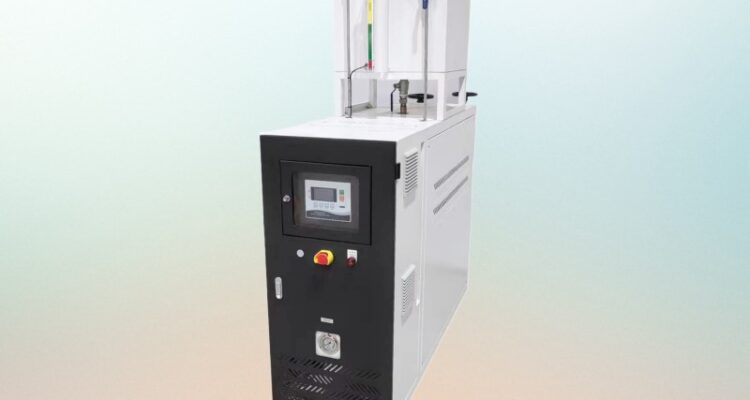
Accurately calculating the required heating capacity for a thermal oil heater is a foundational step…
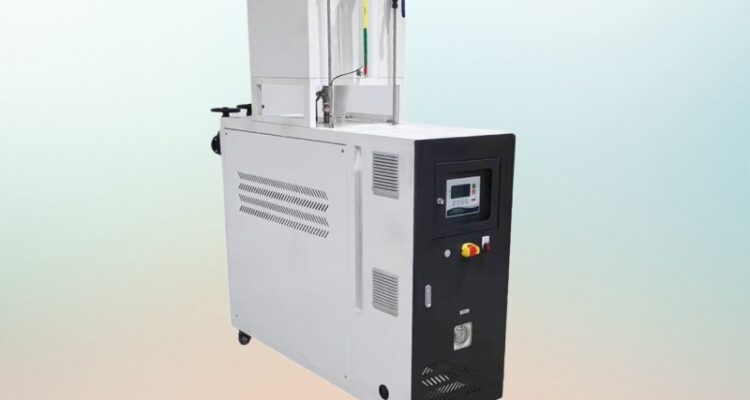
thermal oil heater thermal fluid circulation
Thermal fluid circulation is the beating heart of every thermal oil heater system, directly determining how evenly heat spreads across the entire loop, how efficiently energy transfers to target process points, and how long the whole setup can run without unexpected wear or performance drops. Even small inconsistencies in flow movement can create hidden issues that slowly erode system reliability over thousands of operating hours.
Steady, Non-Turbulent Flow Path Layout
The piping network is engineered to eliminate sharp bends, sudden diameter changes and unnecessary flow restrictions that would create chaotic, high-turbulence movement of thermal fluid. This smooth, streamlined path keeps flow speed consistent across every section of the loop, so there are no low-flow dead zones where fluid can sit stagnant and overheat to form hard carbon deposits. The design also reduces unnecessary friction that would force the circulation pump to work harder than needed, cutting down on excess mechanical strain that leads to premature pump wear. Even when the system runs at full capacity for weeks on end, the steady flow prevents uneven heat buildup on internal metal surfaces, keeping heat transfer performance stable day after day.
Circulation Performance Sync With Heat Output
The flow rate adjusts dynamically to match the exact level of heat being generated at the source, instead of running at a fixed speed no matter what the operating conditions are. When the system first ramps up from cold start, circulation runs at a slightly elevated pace to spread heat evenly through the whole loop, preventing localized hot spots that could damage fluid or components before the system reaches full operating temperature. As process heat demand shifts up or down during normal operation, flow speed adjusts in small, gradual increments to keep temperature difference between the system supply and return lines within a narrow, controlled range. This sync ensures thermal fluid never spends too much time in contact with the hottest sections of the heat source, which drastically slows down fluid degradation and extends its usable service life.
Air and Vapor Purging Integration
Dedicated, automatically operating vent points are placed at all the highest points of the circulation loop, to gently remove any trapped air or non-condensable vapor that finds its way into the system during initial fill or after routine maintenance. Trapped air pockets would otherwise create flow blockages, cause noisy pump operation, and break the steady, even contact between thermal fluid and heat transfer surfaces. These purging features work continuously in the background during normal operation, so operators do not need to perform manual vent checks every time the system starts up. By keeping the circulation path completely full of solid, steady-flowing thermal fluid at all times, this feature eliminates the risk of unexpected flow interruptions that would cause sudden temperature drops at connected process equipment.
Facilities that pay close attention to the quality of their thermal fluid circulation often find their thermal oil heater systems run far more reliably, with fewer unexpected small faults and far more consistent heat delivery across every part of their production workflow. Even minor improvements to circulation performance can add up to major gains in long term system stability that teams notice after just a few months of continuous operation.
Related Posts