Accurately calculating the required heating capacity for a thermal oil heater is a foundational step…
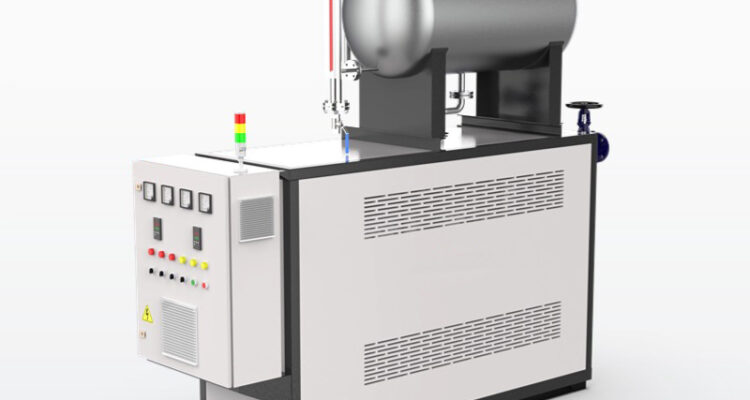
thermal oil heater thermal oil degradation
Thermal oil degradation is an inevitable chemical process in any operating heater system, but its rate and severity are directly controlled by operational practices and maintenance vigilance. Understanding this degradation is key to predicting fluid service life, scheduling proactive maintenance, and avoiding the cascade of efficiency losses and mechanical failures that follow.
Chemical Pathways Leading to Fluid Breakdown
The primary degradation mechanism is thermal cracking, where prolonged exposure to temperatures above the fluid’s maximum film temperature—especially at heater tube surfaces or in stagnant zones—breaks the large hydrocarbon molecules into smaller, less stable fragments. These lighter components lower the fluid’s flash point and increase vapor pressure, creating safety risks. Simultaneously, oxidation occurs when oxygen infiltrates the system, reacting with the fluid to form organic acids and sludge. This process is dramatically accelerated by heat, with the rate of acid formation doubling for every 10°C (18°F) increase in temperature above a certain threshold. Contamination, particularly from water ingress, can cause hydrolysis and promote microbial growth, further destabilizing the fluid.
Observable Symptoms and System-Wide Consequences
The first operational signs are often subtle: a gradual increase in fuel or energy consumption to maintain the same process temperature, as degraded fluid and resulting fouling act as insulators. Lab analysis reveals the chemical story: a rising Total Acid Number (TAN) indicates increasing acidity from oxidation; a dropping flash point signals the creation of volatile, low-boiling components from thermal cracking; and an increase in viscosity often points to polymerization and sludge formation. Physically, the fluid darkens in color and may develop a burnt odor. Within the system, this leads to increased pump strain due to higher viscosity, clogged strainers and small passages from sludge, and accelerated corrosion of metal components from acidic byproducts.
Proactive Management Through Monitoring and Control
Effective management hinges on routine fluid analysis, which acts as an early warning system. Tracking TAN, viscosity, and flash point trends over time allows for predictive fluid replacement before degradation causes damage. Operationally, the single most impactful action is strict temperature control, ensuring the bulk fluid and, critically, the film temperature at heater surfaces never exceed the fluid’s specifications. Maintaining a positive inert gas blanket (nitrogen) in the expansion tank is essential to block oxygen ingress. Implementing a side-stream filter can help remove particulates that catalyze further breakdown. Finally, establishing a clear, data-based fluid replacement criterion—such as a TAN increase of a certain value or a flash point drop to a specific level—removes guesswork and enables planned, budgeted maintenance instead of emergency responses.
Related Posts