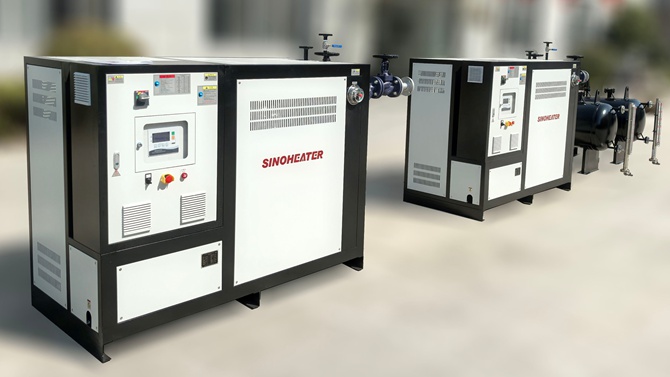
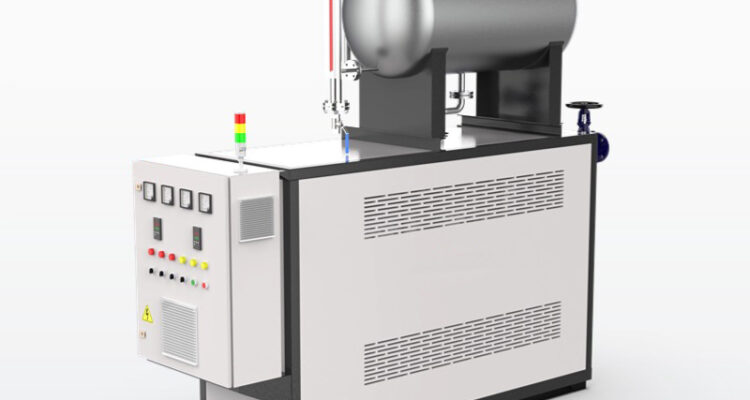
Asphalt plant operations rely on consistent, reliable high-temperature heat to keep aggregate drying, bitumen storage,…
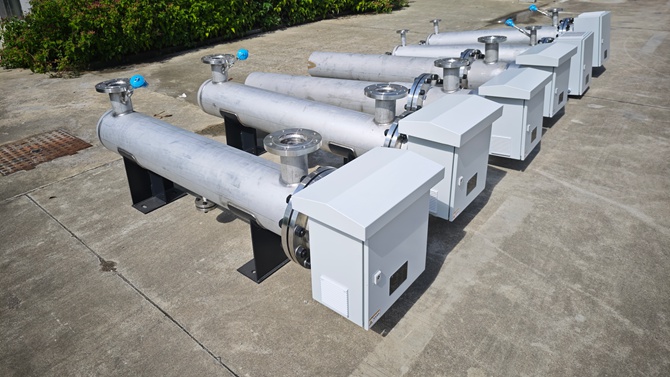
Inline Heaters Revolutionize Crude Oil Heating Efficiency and Safety
In the global oil and gas industry, crude oil heating is a critical link in upstream extraction, transportation and processing. Crude oil extracted from oilfields often has high viscosity, high impurity content and poor fluidity, especially in low-temperature environments or deep-well extraction scenarios. If effective heating treatment is not carried out, it will easily cause pipeline blockage, reduce transportation efficiency, increase energy consumption, and even bring potential safety hazards such as equipment wear and leakage. Recently, the inline heater specially designed for crude oil heating in oilfields has been widely applied in major oilfields around the world, with its efficient, safe and stable performance, breaking through the bottlenecks of traditional crude oil heating methods and becoming a core equipment to empower oilfield operations to upgrade to green, efficient and safe development.
It is reported that the global oilfield heating equipment market is expected to reach USD 8.7 billion by 2030, with a compound annual growth rate of 5.3%. Among them, inline heaters for crude oil heating have become the fastest-growing segment, driven by the increasing demand for energy conservation, emission reduction and operational safety in the oilfield industry. Traditional crude oil heating methods in oilfields, such as external heating jackets and immersion heating rods, have long been plagued by many problems: uneven heating easily leads to local overheating of crude oil, causing coking and scaling, which affects equipment service life; large heat loss results in low energy efficiency, increasing the operating costs of oilfield enterprises; complex installation and maintenance require a lot of manpower and material resources, and the risk of leakage in the heating process also threatens the safety of on-site operations.
Against this background, the inline heater tailored for crude oil heating in oilfields has emerged as the times require, perfectly solving the pain points of traditional heating methods and bringing a new upgrade to oilfield crude oil heating operations. Different from traditional heating equipment, the oilfield-specific inline heater adopts an integrated design of heating element and crude oil flow channel, which can be directly integrated into the oilfield’s existing crude oil extraction and transportation pipeline system. Crude oil is heated in the process of flowing through the heater, realizing “continuous heating, uniform temperature and zero retention”, which fundamentally avoids the problems of coking, scaling and local overheating caused by static heating.
The core advantage of the inline heater in crude oil heating lies in its high efficiency, safety and adaptability to harsh oilfield environments. In terms of energy efficiency, the inline heater adopts high-efficiency heating elements and thermal insulation technology, with an energy conversion rate of up to 96% or more, which is 20%-30% higher than that of traditional heating methods. This can effectively reduce the energy consumption of crude oil heating links, helping oilfield enterprises save a lot of operating costs. In terms of temperature control, the equipment is equipped with advanced PT100 temperature sensors and PID intelligent control systems, which can realize real-time monitoring and precise adjustment of crude oil temperature, ensuring that the temperature deviation is controlled within ±1.5℃. It can flexibly adapt to the heating needs of crude oil with different viscosities (from 500 mPa·s to 5000 mPa·s) and adjust the heating power according to the actual extraction and transportation speed, ensuring the fluidity of crude oil and the smooth operation of the pipeline.
In addition, the inline heater is specially designed for the harsh working environment of oilfields, with strong corrosion resistance, pressure resistance and high-temperature resistance. The flow channel is made of 316L stainless steel or Hastelloy, which can effectively resist the corrosion of crude oil containing sulfur, salt and other impurities, and the maximum working pressure can reach 10 MPa, the maximum heating temperature can reach 350℃, fully adapting to the high-pressure, high-temperature and corrosive working conditions of oilfield extraction and transportation. At the same time, the equipment adopts a fully enclosed structure, which avoids direct contact between the heating element and the external environment, reduces the risk of leakage and fire, and greatly improves the safety of on-site operations. The compact structural design also saves a lot of installation space, which is suitable for narrow working areas such as oilfield wellheads and offshore platforms.
At present, this oilfield-specific inline heater has been successfully applied in many large oilfields at home and abroad, including onshore oilfields in the Middle East, offshore oilfields in Southeast Asia and domestic oilfields in northern China, and has achieved remarkable application results. A senior engineer from a well-known Middle Eastern oilfield said: “After adopting the inline heater for crude oil heating, the problem of pipeline blockage caused by low temperature and high viscosity of crude oil has been completely solved, the transportation efficiency of crude oil has been improved by 28%, and the energy consumption of the heating link has been reduced by 25% annually. The equipment has stable operation and simple maintenance, which has greatly reduced our on-site operation pressure and operational costs.”
Industry experts pointed out that with the continuous deepening of global oil and gas exploration and development, the requirements for crude oil heating efficiency, safety and energy conservation are becoming higher and higher. The inline heater, as a high-efficiency, safe and energy-saving crude oil heating solution, will gradually replace traditional heating methods and become the mainstream equipment in the oilfield crude oil heating field. In the future, with the continuous iteration of technology, the inline heater will further integrate IoT intelligent monitoring, remote operation and maintenance functions, realizing real-time monitoring of equipment operation status, fault early warning and remote adjustment, which will further improve the intelligence level of oilfield crude oil heating operations.
As a professional provider of oilfield heating solutions, we have always focused on the core needs of oilfield enterprises, adhering to the concept of technological innovation, and continuously optimizing the performance of inline heaters for crude oil heating. We will continue to provide customized, professional and reliable inline heater solutions for global oilfield enterprises, helping oilfield operations achieve more efficient, safer and greener development, and making greater contributions to the stable development of the global oil and gas industry.
Related Posts