Heating chemical reactors reliably and consistently is one of the most demanding process challenges in…

gas fired thermal oil heater for asphalt plant
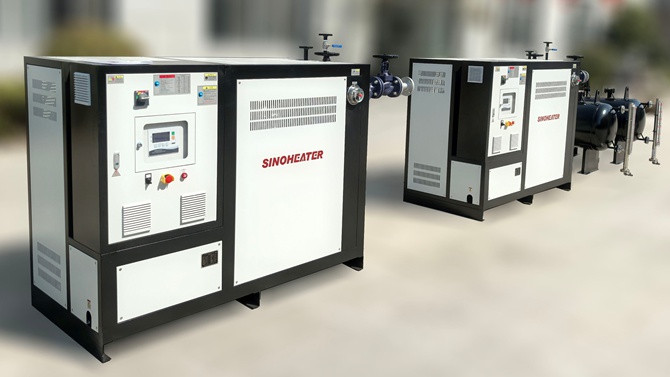
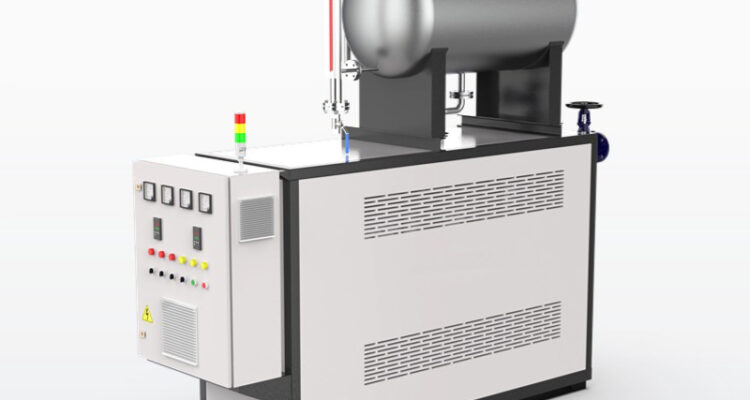
Asphalt plant operations rely on consistent, reliable high-temperature heat to keep aggregate drying, bitumen storage, and mixing processes running at peak stability, and a gas fired thermal oil heater has become a go-to solution for many facilities looking to replace older, less efficient heating setups. Unlike traditional direct flame heating or low-pressure steam systems, this closed-loop thermal fluid setup delivers steady, evenly distributed heat across every critical process stage, even under the heavy, nonstop operating demands of a full-scale asphalt production line. It eliminates many of the common pain points that have plagued asphalt plant operators for decades, from uneven bitumen temperature to unexpected mid-shutdowns caused by heating system faults.
The entire system circulates specially formulated heat transfer oil through a fully sealed loop, carrying controlled high-temperature heat to every point that needs thermal input across the plant. This design operates at far lower pressure than steam systems, while still reaching the consistent high temperatures required to keep asphalt production running smoothly, which drastically reduces unnecessary safety risks on the plant floor.
Process performance advantages for asphalt production
The biggest operational benefit for asphalt plants is the system’s ability to maintain rock-solid, precise temperature control across every connected process unit. The circulating thermal oil delivers uniform heat to aggregate dryer jackets, bitumen storage tanks, pipeline tracing lines, and mixing chamber heat exchangers all at the same time, with no unexpected hot spots or cold zones that can throw off production quality. This level of consistency ensures bitumen stays at the exact optimal viscosity for mixing, so it coats every aggregate particle evenly without wasted material or inconsistent final asphalt texture.
This steady, predictable heat output also eliminates the frequent temperature swings that often force operators to pause production and wait for material to reheat to the correct working range. Once the system reaches its target operating temperature, it can hold that setpoint for hours on end without drifting, even when the plant shifts between full production capacity and partial load operation during slower periods. This stability directly reduces wasted aggregate, wasted bitumen, and the number of low-quality batches that have to be scrapped and reprocessed.
Low-emission operation for modern asphalt facilities
Gas fired thermal oil heater setups produce far lower levels of particulate and harmful emissions compared to older heavy fuel oil or coal-fired heating systems that many older asphalt plants still rely on. The clean combustion profile aligns easily with strict local environmental regulations for industrial mineral processing sites, reducing the time and resources your team has to spend on emissions monitoring and compliance reporting. This cleaner combustion also cuts down on soot and unburned fuel residue buildup inside the heating chamber, which keeps the system running at peak efficiency for far longer between routine cleaning cycles.
These low-emission characteristics also make it much simpler for facilities to expand their operating hours or add new production capacity without running into strict emission limit caps that would block similar upgrades for dirtier heating systems. Many plant operators find this upgrade removes a huge, long-standing barrier that limited their ability to take on larger, more consistent project contracts throughout the full production season.
Low-pressure safety for heavy industrial plant environments
Unlike high-temperature steam boilers that run under extreme internal pressure, a gas fired thermal oil heater for asphalt plants operates at near ambient pressure even at maximum working temperature. This drastically reduces the risk of catastrophic pressure-related failures that pose major safety hazards on a busy industrial site with large crews working nearby. There is no risk of sudden, high-pressure steam leaks that can scald personnel or damage surrounding process equipment, which makes day-to-day operation far safer for every member of your plant team.
The system also comes with layered built-in safety interlocks that monitor thermal oil flow, internal chamber temperature, and combustion stability in real time. If oil circulation drops below the safe minimum threshold, or combustion shows signs of instability, the system automatically cuts fuel supply immediately to prevent overheating or unburned fuel buildup inside the heating chamber. These fail-safe controls operate completely independently of manual operator input, so they catch potential dangerous issues even if the control room is short-staffed during a late production shift.
Compatibility with existing asphalt plant infrastructure
One of the most practical advantages of this system is how easily it integrates with most existing asphalt plant layouts, without requiring a full, costly overhaul of your current process piping and bitumen storage tanks. You can route the insulated thermal oil circulation lines to connect directly to your existing bitumen tank heating coils, aggregate dryer jackets, and hot bitumen pipeline tracing circuits, so your team does not have to rip out and replace every piece of your current thermal infrastructure to make the upgrade work. This means you can complete the full installation and commissioning process during a short scheduled seasonal downtime window, without missing weeks of valuable production time.
For facilities that run multiple separate production lines, a single properly sized central heater can distribute heat across every connected process unit, with independent flow control for each individual circuit. This lets you adjust heat output to match the exact demand of different parts of the plant, so you do not waste energy overheating sections of the facility that are not in active use. This flexible zoning also makes it far easier to run partial production cycles for small batch orders, without having to fire up a huge, inefficient heating system designed for full capacity 24/7 operation.
Long-term operational cost and maintenance benefits
These systems are built to handle the nonstop, heavy-duty operating cycles that asphalt plants run for months on end during peak production season, with minimal routine servicing required between planned maintenance stops. The fully sealed thermal oil loop keeps ambient air and moisture out of the heat transfer fluid, which drastically slows down oxidation and fluid degradation. This extends the service life of the thermal oil dramatically, so you do not have to perform full fluid replacements nearly as often as you would with an open or semi-open heating system.
There are no complex burner components that require constant fine-tuning, no water treatment systems that demand daily chemical testing, and no high-pressure boiler inspections that require full facility shutdowns every few months. Most routine maintenance work only involves checking burner combustion efficiency, cleaning simple inlet air filters, and verifying circulation pump performance during pre-planned seasonal downtime. This cuts down on unplanned maintenance labor hours drastically, and frees up your plant maintenance team to focus their time on other critical process equipment across the site.
Performance optimization for seasonal asphalt production
Asphalt plant operations are highly seasonal in many regions, with long stretches of full nonstop production in warm months, followed by weeks or months of full shutdown during cold winter periods. A gas fired thermal oil heater is perfectly designed to handle this stop-start operating pattern, because it can heat up from cold ambient temperature to full operating temperature very quickly, without the long, slow warmup cycles that old heavy fuel oil heating systems require. This means you can start up the plant and reach full production capacity in far less time at the start of a workday, instead of waiting hours for the heating system to come up to working temperature.
During off-season shutdowns, you can drain a small portion of the thermal oil loop and circulate a low flow of heat to keep the system at a minimum standby temperature, preventing moisture condensation inside the heating chamber and stopping residual bitumen in connected tanks and lines from fully solidifying. This makes it far easier to restart full production when the next season begins, with no need to manually thaw out frozen bitumen lines or clear solidified material from process pipes before you can run a single batch. Over years of seasonal operation, this consistent, easy-to-manage performance makes day-to-day plant operation far less labor intensive and far more reliable.
Related Posts