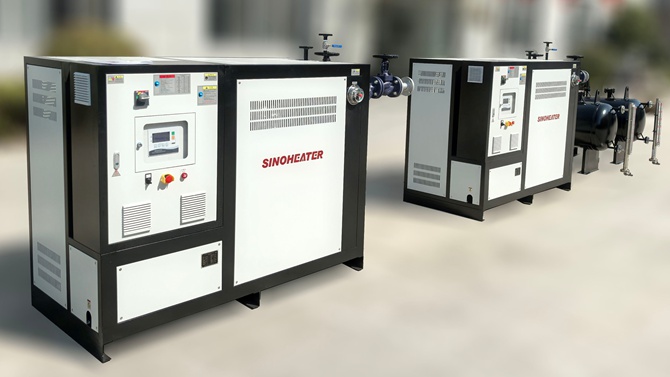
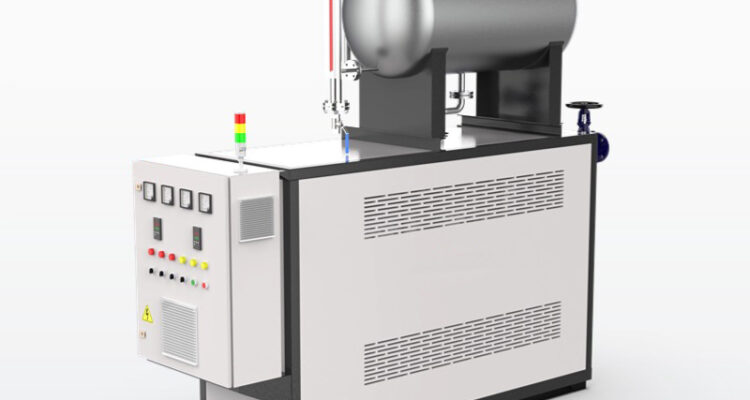
Asphalt plant operations rely on consistent, reliable high-temperature heat to keep aggregate drying, bitumen storage,…
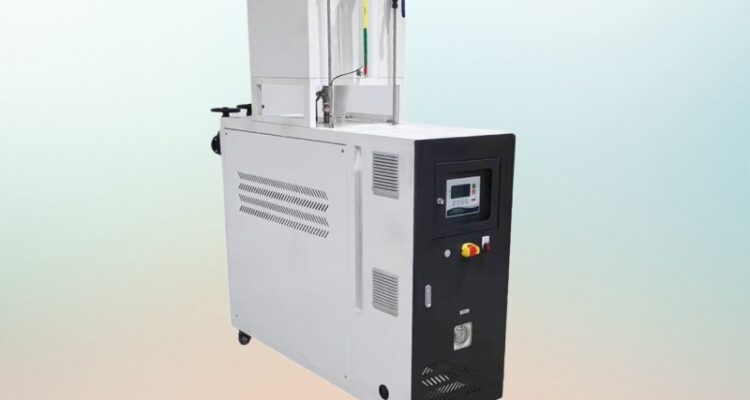
thermal oil heater diesel fired system
Diesel Fired Thermal Oil Heater System: How It Works and What to Watch For
Diesel fired thermal oil heaters are everywhere in industrial plants that cannot access natural gas pipelines. Refineries, chemical plants, food processing facilities, and remote operations all rely on diesel because it is available almost anywhere, stores easily on site, and delivers consistent heat. But running a diesel fired system is not the same as running a gas fired one. The fuel handling, combustion tuning, and maintenance demands are different — and getting them wrong leads to soot buildup, tube failure, and unplanned shutdowns.
How a Diesel Fired Thermal Oil Heater Actually Operates
The basic principle is straightforward. Diesel fuel is atomized through a burner nozzle into a combustion chamber. The flame heats a coil or set of tubes inside the heater, and thermal oil circulates through those tubes, picking up heat and carrying it to the process. The oil returns cooler, gets reheated, and the cycle repeats.
What makes diesel different from gas is the atomization process. Diesel is a heavy liquid. It does not mix with air the way gas does. The burner must break the fuel into a fine mist so it burns completely. If the nozzle is worn, the spray pattern is wrong, or the air-to-fuel ratio is off, you get incomplete combustion. That means soot. Soot means fouled tubes. Fouled tubes mean lost heat transfer and eventually tube overheating.
The burner itself is usually a pressure-jet or air-blast type. Pressure-jet burners use the fuel pressure to atomize the diesel. They are simpler and more common on smaller units. Air-blast burners use compressed air to break up the fuel spray. They handle higher capacities and give better control over the flame shape. For thermal oil heaters above 500 kW, air-blast burners are the standard.
Fuel Handling and Storage on Site
Diesel storage is the first thing you need to get right. Most thermal oil heaters use No. 2 diesel, though some larger units can run on No. 1 diesel or even kerosene-grade fuel. No. 2 is the most common because it balances availability, cost, and combustion quality.
The storage tank must be sized for at least 7 to 14 days of operation depending on your delivery schedule. If you are in a remote location where diesel deliveries come once a week, do not skimp on tank size. Running out of fuel mid-heating cycle is not just an inconvenience — it can cause thermal shock to the oil and damage the heater tubes.
Tanks need to be kept clean. Water and sludge settle at the bottom over time. If that sludge gets pulled into the burner, it clogs nozzles and ruins combustion. Install a filter on the fuel line before the burner, and drain the tank regularly. A simple bottom drain valve with a weekly schedule saves you from expensive burner repairs.
In cold climates, No. 2 diesel can gel below roughly -10°C. If your facility is in a region where temperatures drop that low, you need either heated tank tracing or a fuel switching arrangement. Some operators keep a small kerosene tank for cold starts and switch to diesel once the system is warm.
Combustion Tuning and Emission Control
Diesel combustion tuning is where most operators struggle. The air-to-fuel ratio must be set precisely. Too little air and you get black smoke and carbon deposits. Too much air and you lose efficiency because excess air carries heat out the stack.
The ideal setup is a slightly lean burn — just enough excess air to ensure complete combustion without wasting energy. This is usually around 3% to 5% excess oxygen in the flue gas. You need a flue gas analyzer to dial this in. Guesswork does not work.
Diesel fired thermal oil heaters produce NOx, CO, and particulate matter. In most jurisdictions, you need to meet specific emission limits. Some regions require low-NOx burners, which use staged combustion or flue gas recirculation to reduce peak flame temperature. These burners are more expensive upfront but save you from permit violations and potential fines.
Particulate matter from diesel combustion is mostly soot. A well-tuned burner produces very little. A poorly tuned burner coats the heater tubes in weeks. The difference between these two scenarios is usually a matter of nozzle condition and air damper setting. Check the nozzle every 500 operating hours at minimum. Replace it if the spray pattern looks uneven or if fuel consumption has crept up without a change in load.
Heater Tube Maintenance in Diesel Fired Systems
Tube fouling is the number one maintenance headache in diesel fired thermal oil heaters. Gas fired systems stay relatively clean because natural gas burns with almost no residue. Diesel does not have that luxury. Even with perfect combustion, a thin layer of carbon builds up on tube surfaces over time.
This carbon layer acts as insulation. It reduces heat transfer from the flame to the oil. The burner compensates by running hotter, which accelerates tube metal fatigue. Eventually, you get hot spots, tube bulging, and leaks.
The solution is regular tube cleaning. Mechanical cleaning with a wire brush or high-pressure water jet is standard. Some facilities use chemical cleaning — circulating a solvent through the system to dissolve carbon deposits. Chemical cleaning is more thorough but requires system shutdown and careful handling of the cleaning agent.
Inspect tubes during every scheduled shutdown. Look for discoloration, bulging, or scale buildup. A tube that is visibly warped or has cracks needs replacement immediately. Do not wait. A tube failure in a diesel fired system can dump hot oil into the burner chamber, which is a fire scenario nobody wants to deal with.
Safety Considerations Specific to Diesel Fuel
Diesel is classified as a combustible liquid, not a flammable one like gasoline. That means it is harder to ignite, but it still burns hot and it still creates fire risk. The fuel handling area around a diesel fired thermal oil heater must follow fire code requirements for combustible liquid storage.
Bund walls around the fuel tank are mandatory in most jurisdictions. The bund must hold at least 110% of the tank volume. This catches any spill before it spreads. Keep the area around the tank and burner clear of ignition sources. A dripping fuel line near a hot surface is a fire waiting to happen.
The burner should have a flame failure protection system. If the flame goes out, fuel must shut off immediately. Otherwise, unburned diesel accumulates in the combustion chamber and can ignite explosively when the flame returns. This is called a puffback, and it can destroy the heater.
Emergency shutdown procedures must be in place and practiced. Operators should know how to kill the burner, shut off the fuel supply, and activate the cooling circulation in case of overheating. The circulating pump should never stop while the heater is hot. If the pump fails, the oil in the tubes overheats within minutes and degrades rapidly.
Common Problems and How to Avoid Them
One of the most frequent issues with diesel fired systems is nozzle clogging. Diesel quality varies by supplier. Bad diesel contains particulates and water that block the tiny orifices in the burner nozzle. Use fuel from a reliable supplier, filter it before it reaches the burner, and inspect the nozzle regularly.
Another common problem is air in the fuel line. Air pockets cause the burner to flame out or run erratically. Bleed the fuel line after any filter change or tank refill. A simple bleed screw on the burner fuel manifold takes 30 seconds and prevents hours of troubleshooting.
Flue gas temperature rising over time is a sign that tubes are fouling. If your stack temperature climbs 20°C or more above the baseline, schedule a tube cleaning. Do not ignore this. It is the earliest warning sign of heat transfer loss.
Cold start procedures matter too. Diesel does not ignite as easily as gas when cold. The burner needs a proper pre-purge cycle to clear the combustion chamber of any residual fuel before ignition. Skip the purge, and you risk an uncontrolled ignition. Follow the manufacturer’s startup sequence every time, even if it feels repetitive.
When Diesel Makes Sense and When It Does Not
Diesel fired thermal oil heaters make the most sense in locations without natural gas access, for facilities that need high energy density, or for operations where fuel portability matters. They are also a good choice for temporary or seasonal operations where running a gas line is not economical.
They do not make sense if you have cheap, reliable natural gas available. Gas burners are cleaner, require less maintenance, and produce lower emissions. Switching from diesel to gas can cut operating costs significantly in many regions.
If you are already committed to diesel, the key to long-term reliability is disciplined maintenance. Clean nozzles, check tubes, filter fuel, tune combustion, and monitor flue gas. A diesel fired thermal oil heater that is maintained properly will outlast one that is neglected — but only if you stay on top of the work.
Related Posts