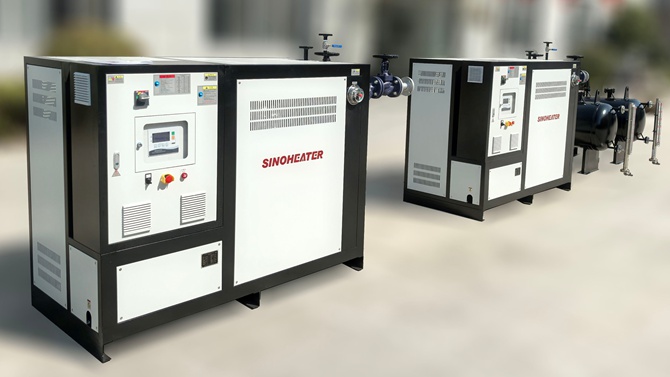
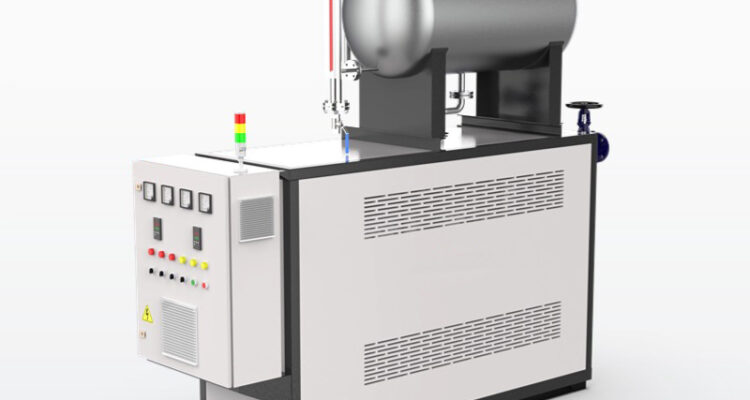
Asphalt plant operations rely on consistent, reliable high-temperature heat to keep aggregate drying, bitumen storage,…
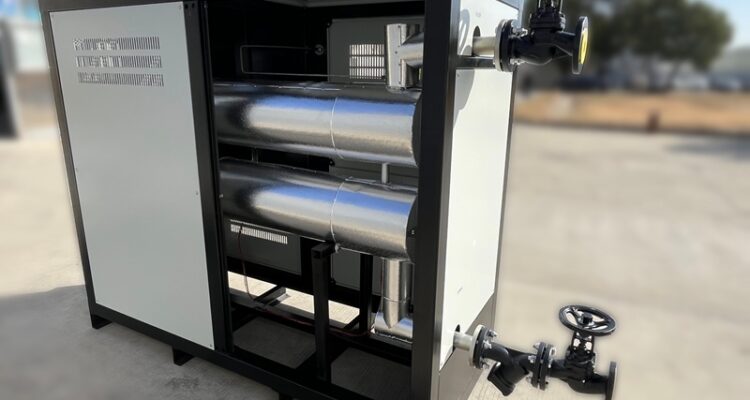
thermal oil heater burner maintenance
For teams that rely on thermal oil heaters for consistent industrial process heating, regular burner maintenance is the most direct way to avoid unplanned mid-season shutdowns, cut excess fuel waste, and eliminate hidden safety risks that build up over months of continuous operation. Many facilities only step in to service the burner after it fails to ignite or throws repeated fault codes, but this reactive approach almost always leads to far costlier repairs, unexpected production delays, and even preventable damage to the heater’s internal heat transfer coils. A structured, routine maintenance routine tailored to real-world operating conditions keeps the burner running reliably, extends its service life, and ensures it always delivers the exact heat output your system needs without unnecessary excess.
Routine Pre-Startup Inspection of Fuel and Air Delivery Paths
Every maintenance cycle starts with a full walkthrough of the burner’s fuel supply and air delivery systems, two areas that cause more than half of all common burner faults in thermal oil heater setups. For fuel lines, you check for any signs of minor leaks, loose connection points, or small blockages that can disrupt consistent fuel pressure during operation. You also clear any accumulated dust, debris, or residual carbon buildup from the burner’s nozzle assembly, to make sure the fuel sprays in a uniform, well-atomized pattern that mixes evenly with incoming combustion air.
On the air side, you inspect the blower wheel and inlet air filter for caked-on dust and debris that can restrict airflow, and confirm the damper assembly moves smoothly through its full range of motion without sticking or jamming. You also check all air duct connections for gaps or leaks that can pull in unmeasured ambient air and throw off the carefully calibrated fuel-to-air ratio. Even a small imbalance in this ratio will make combustion incomplete, leading to excess soot buildup on the heater’s heat transfer surfaces, higher fuel consumption, and higher levels of harmful exhaust emissions that violate local operational rules.
Ignition and Flame Detection System Calibration and Cleaning
The ignition and flame detection components are the most sensitive parts of the entire burner, and they require careful, regular attention to avoid repeated startup failures and unexpected safety trips. You first inspect the ignition electrodes, scrape away any thin layers of carbon or oxidation that have built up on their surfaces, and adjust the gap between the two electrodes to the exact distance that creates a strong, consistent spark every time the startup sequence runs. You also test the ignition transformer under live operating conditions to confirm it delivers enough voltage to generate a steady spark, no matter how long the system has been sitting idle between runs.
Next, you turn your attention to the flame sensor, which is the critical safety component that confirms a stable flame has formed after ignition. You gently wipe away any soot, oil residue, or dust that has coated the sensor’s surface, and verify its mounting position is still perfectly aligned to catch the full flame path without being blocked by airflow or burner hardware. You run multiple full test startup cycles after this work to confirm the sensor picks up the flame within the required time window, and that it triggers a proper safety lockout immediately if no flame forms after a failed ignition attempt. This step eliminates the risk of unignited fuel building up inside the heater combustion chamber, which is one of the most serious safety hazards for any thermal oil heater system.
Safety Interlock and Post-Maintenance Performance Verification
No burner maintenance routine is complete without a full functional test of every built-in safety interlock that protects the thermal oil heater and surrounding facility. You manually trigger each safety device one by one during this check, including the thermal oil low flow switch, the maximum high temperature cutout, the low fuel pressure alarm, and the combustion air pressure interlock, to confirm each one immediately cuts power to the burner and locks out the startup sequence when it detects an unsafe condition. You also inspect all wiring connections, relay terminals, and control board contacts for signs of corrosion, loose pins, or overheating that can cause intermittent fault codes that are nearly impossible to diagnose during normal operation.
After all safety checks pass, you run the burner through a full heat-up cycle under normal system operating load, and observe its performance across low fire, mid fire, and high fire stages. You confirm the flame stays stable and evenly shaped at every output level, no excess soot forms on the combustion chamber walls, and the burner does not produce any unusual noise, vibration, or exhaust smoke. You also log all inspection results, adjustment values, and test outcomes in the system’s dedicated operation record, so your team can track performance trends over time and spot small developing issues long before they turn into a full burner failure that stops production.
Related Posts