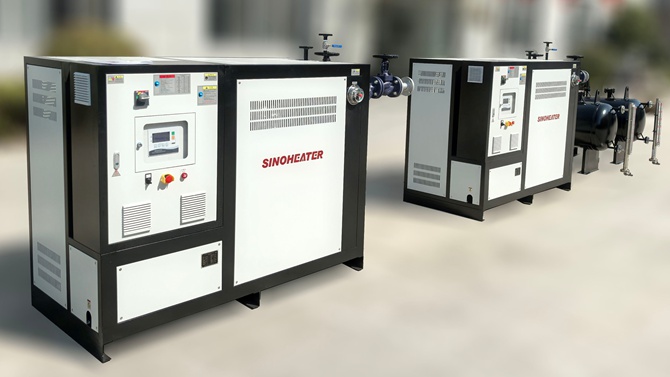
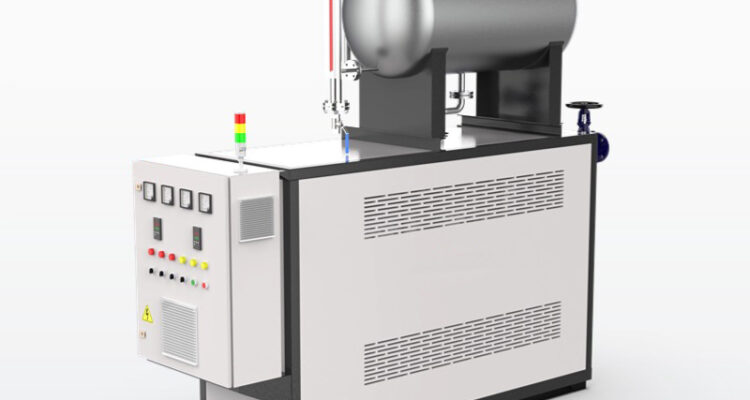
Asphalt plant operations rely on consistent, reliable high-temperature heat to keep aggregate drying, bitumen storage,…

thermal oil heater ignition failure
When a thermal oil heater burner fails to ignite, it can stop your entire production process without warning, leading to costly downtime and frustrating delays. This issue is common in industrial settings, especially when systems operate in demanding environments or after periods of extended use. An ignition failure rarely has a single cause; instead, it often results from a combination of small, overlooked issues that build up over time. By understanding the practical, field-tested steps to diagnose and resolve these problems, you can get your system back online quickly and prevent recurring failures.
Inspect and Clean the Ignition and Flame Detection Circuit
The ignition electrodes and flame sensor are the most frequent culprits behind startup failures in thermal oil heater burners. Over months of continuous operation, a thin layer of carbon, oil residue, or dust can coat the electrodes, weakening or completely blocking the spark needed to ignite the fuel. Carefully remove the electrodes and use a fine abrasive pad to clean their surfaces, ensuring no insulating residue remains. After cleaning, reinstall the electrodes and precisely reset the gap between them according to the manufacturer’s specifications—even a small deviation can prevent a reliable spark.
Next, check the flame sensor, which is responsible for confirming that ignition has occurred. If this sensor is dirty or misaligned, it may not detect the flame, causing the control system to immediately shut off fuel flow as a safety precaution. Gently clean the sensor’s surface and verify its positioning so it has a clear, unobstructed view of the flame. Finally, test the ignition transformer to confirm it is delivering the correct high voltage. A weak transformer may produce a spark that is too faint to reliably ignite the fuel-air mixture, especially in systems where the combustion chamber has slight air drafts or where fuel atomization is not optimal.
Verify Fuel Supply and Combustion Air Delivery
A reliable ignition requires not only a strong spark but also a properly prepared fuel-air mixture. Begin by checking the fuel supply line for any blockages, air pockets, or pressure inconsistencies. Confirm that fuel filters are clean and that the nozzle is not partially clogged with debris, which can disrupt the fine spray pattern needed for efficient ignition. If your system uses a dual-fuel setup, ensure the correct fuel source is selected and that any automatic switching valves are functioning correctly.
On the air side, inspect the combustion air intake and blower assembly. Over time, dust and debris can accumulate on the blower wheel or within the air inlet louvers, restricting airflow. This imbalance can prevent the burner from achieving the correct fuel-to-air ratio during the startup sequence. Verify that the air damper moves freely and is set to the correct position for ignition. Also, check the air pressure switch, which ensures adequate airflow before allowing ignition. If this switch is out of adjustment or fails to engage properly, it will interrupt the startup sequence. In some cases, temporarily bypassing the switch (for diagnostic purposes only) can help isolate the issue, but remember to restore proper safety function immediately after testing.
Check Safety Interlocks and Control System Signals
Modern thermal oil heater burners are equipped with multiple safety interlocks designed to prevent operation under unsafe conditions. If any of these interlocks are triggered or malfunctioning, the burner will not attempt ignition. Systematically verify each safety device: the low thermal oil flow switch, the high-temperature limit control, the fuel pressure switch, and the combustion air proving switch. Ensure that all are in their normal, “safe” positions and that their electrical contacts are clean and secure.
Examine the burner’s control panel for any active fault codes or alarm indicators. These codes are invaluable for pinpointing the specific component or condition causing the lockout. Also, inspect the wiring between the control panel, ignition module, and all safety devices. Look for loose connections, corroded terminals, or damaged insulation that could interrupt critical signals. Environmental factors, such as excessive vibration or ambient temperature extremes, can sometimes cause intermittent electrical faults that are difficult to detect during a static inspection. A thorough check of the control logic and its physical wiring often reveals the root cause of persistent, unexplained ignition failures.
Related Posts