Accurately calculating the required heating capacity for a thermal oil heater is a foundational step…
thermal oil heater energy saving methods
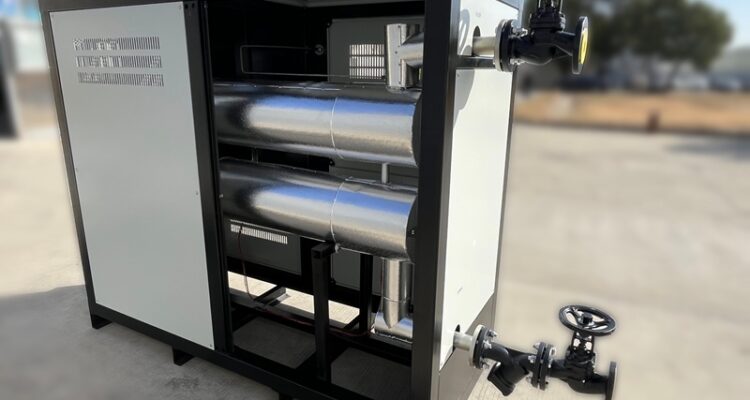
Implementing energy-saving measures for a thermal oil heater system is a continuous process that directly impacts operational costs and environmental footprint. The goal is to maximize the useful heat delivered to the process while minimizing all forms of energy loss, from incomplete combustion to uninsulated pipes. Effective strategies combine precise operational control, proactive maintenance, and intelligent system integration, turning the heater from a simple utility into a high-efficiency asset.
Optimizing Combustion Efficiency and Heat Transfer
The most immediate area for energy savings lies in the combustion chamber. Inefficient burning wastes fuel directly. Regular tuning of the burner to maintain the optimal air-fuel ratio, verified with a combustion analyzer, ensures complete combustion with minimal excess air. This practice, detailed in discussions on smoke control and emissions, reduces fuel consumption and lowers stack temperatures.
Concurrently, maintaining pristine heat transfer surfaces is non-negotiable. Soot buildup on the fire side of the heater coils acts as a powerful insulator, forcing the burner to run longer and hotter to achieve the same oil temperature. Scheduling regular internal inspections and cleaning removes this barrier, restoring design efficiency. On the oil side, preventing fluid degradation and carbon formation through proper temperature management and regular analysis keeps the internal coil surfaces clean for optimal heat absorption from the flame.
Minimizing Thermal Losses and Recovering Waste Heat
Energy saved from escaping heat is just as valuable as fuel not burned. A comprehensive insulation audit is essential. All hot piping, valves, flanges, and the expansion tank should be inspected and fitted with high-quality, undamaged insulation to prevent radiant heat loss to the surroundings.
Implementing heat recovery systems captures energy that is otherwise lost. Installing an economizer in the exhaust stack to preheat combustion air or process water is a highly effective retrofit. As previously explored in heat recovery contexts, this uses waste heat to reduce the primary load on the burner. Furthermore, integrating the thermal oil heater with other plant processes can allow for the recovery of lower-grade heat from the oil loop itself for space heating or pre-washing stages, creating a cascading use of thermal energy.
Enhancing System Controls and Operational Practices
Advanced control strategies move beyond basic temperature regulation. Implementing weather compensation or load-following controls allows the heater output to dynamically match the real-time process demand, avoiding unnecessary high-temperature operation. Optimizing temperature setpoints—running at the lowest effective temperature for the process—reduces thermal stress on the fluid and lowers standing heat losses.
Operational discipline contributes significantly to savings. Establishing and adhering to a rigorous maintenance schedule for pumps, filters, and traps ensures the hydraulic loop operates with minimal resistance and no internal bypassing of hot oil. Training operators to understand the impact of their actions, such as avoiding frequent large setpoint changes or recognizing early signs of inefficiency, fosters a culture of energy awareness. Regularly logging and reviewing key performance indicators like fuel consumption per unit of production, stack temperature, and system pressure drops helps identify trends and opportunities for further improvement.
Related Posts