Asphalt plant operations rely on consistent, reliable high-temperature heat to keep aggregate drying, bitumen storage,…
thermal oil heater control panel operation
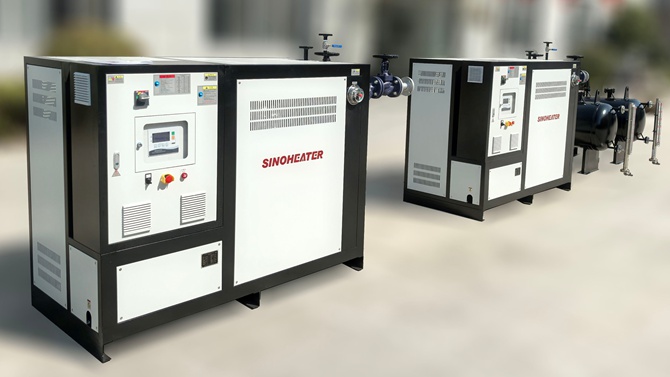
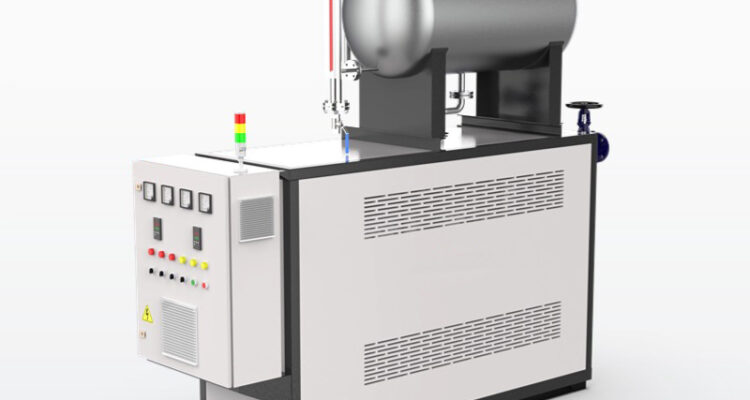
The control panel of a thermal oil heater is the central nervous system of the entire operation, translating operator commands into precise, safe, and efficient system behavior. Its operation goes far beyond simple temperature setting; it integrates combustion management, safety interlocks, and system sequencing to protect both personnel and equipment. Understanding its standard functions, alarm responses, and routine interaction protocols is essential for safe and productive heater management.
Core Functions: Temperature Regulation and Burner Sequencing
The primary operational interface is the temperature control system. Operators set the desired thermal oil outlet temperature, and the panel’s controller modulates the burner to maintain it. This is typically achieved through proportional control, adjusting the burner’s firing rate (low-fire to high-fire) based on the difference between the setpoint and the actual temperature reading from sensors in the oil loop.
The panel automates the complete burner sequence. Upon a start command, it initiates a pre-purge cycle, running the combustion air fan to clear the combustion chamber of any residual gases. It then activates the ignition transformer and opens the fuel valve for a precise trial-for-ignition period. The flame sensor must confirm a stable flame within this window; if not, the panel locks out and requires a manual reset. During normal operation, it continuously monitors the flame signal and will safely shut down if the flame is lost. When the setpoint is reached, it commands the burner to modulate down or shut off, initiating a post-purge cycle to cool the chamber.
Safety Interlock Monitoring and Alarm Management
A critical function of the control panel is to constantly monitor a series of safety interlocks. These are hardwired conditions that must be satisfied for the burner to operate or remain running. Common monitored interlocks include:
- Low Thermal Oil Flow: A flow switch confirms adequate circulation before allowing ignition.
- High System Pressure: A pressure switch prevents operation if pressure exceeds a safe limit.
- High/Low Fuel Pressure: Ensures fuel is delivered within the burner’s design specifications.
- Combustion Air Proving: Confirms the fan is providing sufficient airflow.
- High-Temperature Limit: An independent, redundant safety thermostat that will cut power to the burner if the oil temperature exceeds a maximum safe setting, regardless of the main controller’s command.
When any interlock is not satisfied, the panel will prevent startup or initiate an immediate safety shutdown (lockout). The panel displays specific fault codes or illuminated indicators to guide the operator to the root cause, such as “Low Flow” or “Flame Failure,” which must be investigated and resolved before a reset is attempted.
Routine Operator Interaction and System Status Checks
Daily operation involves more than setting a temperature. Operators interact with the panel to monitor real-time system status. Key parameters to observe include the current oil inlet/outlet temperatures, system pressure, burner firing rate (e.g., 30%, 70%, 100%), and the status of pumps and fans. Modern panels often include data logging or trending features to track performance over time.
Standard operational checks include reviewing any active alarms or warnings from the previous run cycle, confirming all indicator lights show normal status (e.g., “Power On,” “Pump Running,” “Flame On”), and performing a visual inspection of the panel for any signs of damage or moisture. Before starting the system after a prolonged stop, a manual test of critical safety devices—like the high-temperature limit switch by briefly bypassing it during a cold start check—may be part of the procedure, as guided by the manufacturer’s manual. Proper response to alarms, such as not repeatedly resetting a lockout without finding the cause, is a fundamental aspect of safe panel operation.
Related Posts