Asphalt plant operations rely on consistent, reliable high-temperature heat to keep aggregate drying, bitumen storage,…
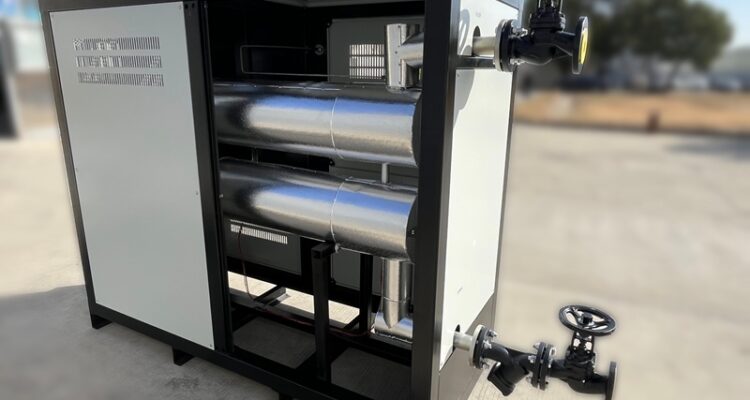
thermal oil heater system pressure drop
System pressure drop is one of the most commonly overlooked but impactful performance metrics for any thermal oil heater setup, as even small, unaddressed shifts in this value can signal hidden issues that slowly erode heat transfer efficiency and shorten the system’s overall service life. Tracking and managing this pressure change across the full circulation loop helps teams catch developing problems long before they turn into costly unplanned shutdowns.
Root Causes of Unplanned Pressure Drop Increase
The most frequent trigger for rising pressure drop is gradual buildup of carbonized residue and sludge along the inner walls of piping and heat transfer surfaces. As thermal fluid breaks down over time, small solid particles stick to the inside of the loop, narrowing the effective flow path and forcing the circulating pump to work harder to push fluid through the system. Other common causes include partial blockages from stray debris left behind during initial installation or after maintenance work, unexpected air pockets trapped at high points in the circuit, and slow wear on internal pump components that reduces its ability to maintain consistent flow. Even small changes in fluid viscosity, caused by prolonged exposure to excessive high temperatures, can create extra flow resistance that pushes pressure drop far outside its original designed range.
Impacts of Uncontrolled Pressure Drop on System Operation
When pressure drift outside the recommended operating window, flow speed becomes uneven across different sections of the loop, creating low-flow dead zones where thermal fluid stagnates and overheats. This accelerates fluid degradation even further, creating a vicious cycle that makes residue buildup worse over time. The circulating pump will draw extra power to compensate for the extra resistance, raising unnecessary energy consumption and wearing out pump seals and bearings far faster than their expected service timeline. In severe cases, uneven flow can create unexpected temperature fluctuations at process end points, disrupting production consistency and creating unplanned quality issues for downstream operations.
Practical Steps to Monitor and Regulate Pressure Drop
The first simple step is to log pressure readings at the system supply and return points on a regular, scheduled basis, so small gradual shifts can be spotted long before they turn into major problems. Many teams mark the original baseline pressure drop value during system commissioning, so any deviation from that number is immediately obvious during routine checks. Flushing the full loop with a compatible cleaning fluid during planned maintenance windows can remove light layers of soft residue before they harden into stubborn carbon deposits that are much harder to clear. Regular venting of trapped air from the highest points of the circuit also eliminates air pockets that create unnecessary flow resistance, keeping pressure drop stable across thousands of operating hours.
Facilities that keep a close eye on system pressure drop rarely face the sudden, unexpected circulation failures that catch other teams off guard in the middle of busy production runs. This simple, low-effort monitoring practice helps preserve consistent heat transfer performance and extends the overall reliable service life of the entire thermal oil heater setup.
Related Posts