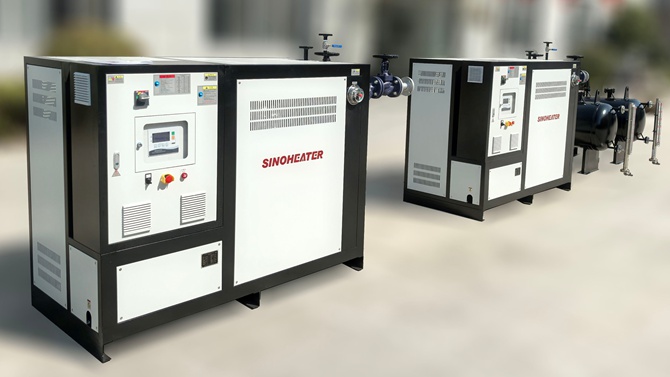
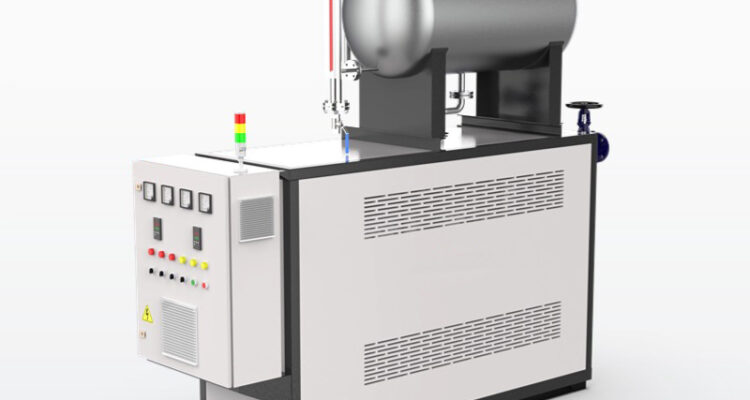
Asphalt plant operations rely on consistent, reliable high-temperature heat to keep aggregate drying, bitumen storage,…
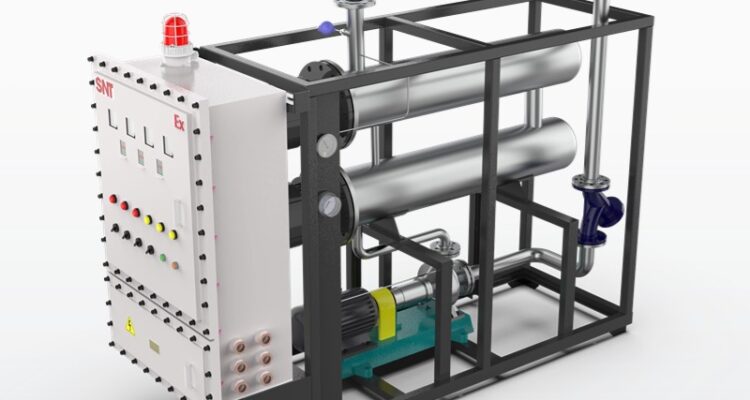
thermal oil heater sludge formation
Sludge formation inside a thermal oil heater system is a gradual, often hidden process that silently degrades performance, increases energy consumption, and raises the risk of unexpected shutdowns. This thick, tar-like substance forms when the thermal fluid breaks down chemically, moving from a free-flowing liquid to a sticky residue that clings to internal surfaces and obstructs flow.
Primary Chemical and Thermal Breakdown Triggers
The most common cause is prolonged exposure to localized overheating, where fluid temperatures exceed the manufacturer’s recommended maximum film temperature, even if the bulk system temperature appears normal. This often happens in low-flow zones, near heater tubes, or in spots where flow is restricted. Oxidation is another major contributor, occurring when air infiltrates the system through faulty seals, during improper fluid top-ups, or from a malfunctioning expansion tank blanketing system. The combination of heat and oxygen accelerates the breakdown of the fluid’s molecular structure. Contamination from external sources, such as water ingress from a leaking heat exchanger or particulate matter from poor maintenance practices, can also initiate and accelerate sludge-forming chemical reactions.
Progressive Impact on System Components and Performance
Initially, sludge forms as a thin film on the hottest metal surfaces, acting as an insulating barrier that reduces heat transfer efficiency. This forces the heater to burn more fuel or use more energy to maintain the same process temperature. As the layer thickens, it begins to flake off or accumulate in pockets, eventually circulating through the system. These particles can clog strainers, foul temperature sensors, and build up in the small clearances of control valves, leading to inaccurate readings and sluggish responses. In the circulation pump, sludge increases viscosity and abrasion, leading to higher power draw, overheating, and accelerated wear on seals and bearings. Over time, sludge can completely block small-bore instrumentation lines or narrow piping sections, causing sudden and complete flow failure.
Operational Practices to Slow and Manage Buildup
The most effective strategy is prevention through strict temperature control, ensuring the system never operates above the thermal fluid’s maximum bulk and film temperature limits. Maintaining a positive pressure with an inert gas blanket (like nitrogen) in the expansion tank effectively seals the system from atmospheric oxygen. Implementing a routine fluid analysis program is critical; tracking key indicators like Total Acid Number (TAN), viscosity, and insolubles content provides early warning of fluid degradation long before sludge becomes visible. Regular inspection and cleaning of system strainers also helps remove particulate matter before it can contribute to further breakdown. When analysis shows fluid properties are degrading, a proactive fluid change or system flush is far more cost-effective than waiting for sludge to cause a major operational failure.
Related Posts