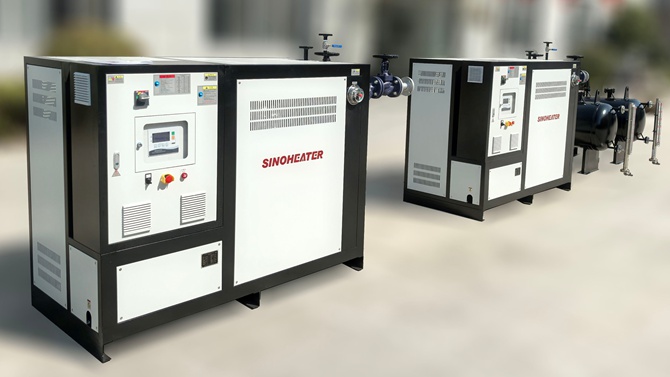
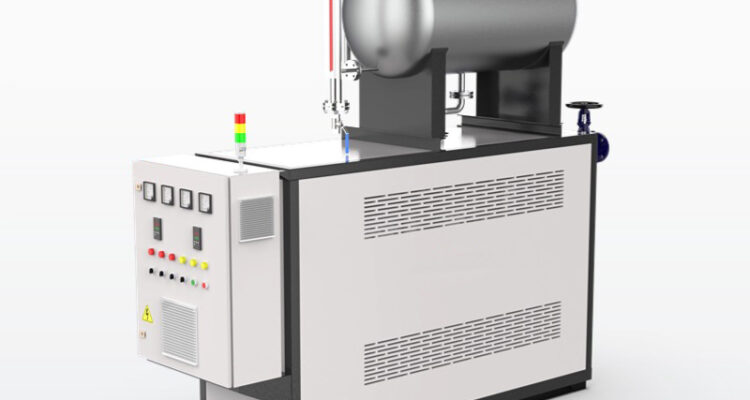
Asphalt plant operations rely on consistent, reliable high-temperature heat to keep aggregate drying, bitumen storage,…
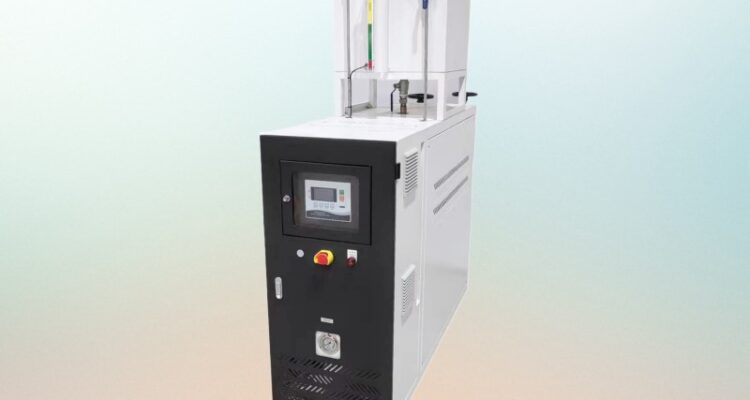
thermal oil heater exhaust heat utilization
Capturing and reusing waste heat from a thermal oil heater’s exhaust stack represents a direct opportunity to lower operational costs and improve overall system efficiency. Instead of releasing high-temperature flue gases directly to the atmosphere, this energy can be redirected to perform useful work, reducing the primary fuel demand of the heater itself or supporting other plant processes.
Preheating Combustion Air for the Burner
One of the most effective and common applications is using an air preheater to transfer exhaust heat to the incoming combustion air. As hot exhaust gases pass through one side of a heat exchanger, cold ambient air drawn in for combustion passes through the other side, absorbing heat before entering the burner. This simple exchange significantly raises the temperature of the combustion air. Warmer air entering the combustion chamber improves burner efficiency, requires less fuel to reach the required flame temperature, and directly reduces the fuel consumption needed to maintain the same thermal oil output. This method often offers a quick return on investment through consistent fuel savings.
Generating Low-Pressure Steam or Hot Water
Exhaust heat can be used to produce steam or hot water for other plant needs. A waste heat boiler or economizer installed in the exhaust duct uses the hot flue gases to vaporize water or heat a liquid loop. The generated low-pressure steam can be used for plant heating, cleaning processes, or as a heat source for other non-critical applications. Similarly, the produced hot water can feed into facility heating systems or pre-heat water for other industrial processes. This approach turns a waste stream into a productive utility, offsetting the energy required to run separate boilers or water heaters.
Supplemental Space Heating for the Facility
In colder climates, a simple air-to-air heat exchanger can be installed to use exhaust heat for space heating within the boiler room or adjacent workshops. The hot exhaust gases pass through a heat exchanger, and a separate fan blows plant air across the other side, warming it before distributing it. This reduces or eliminates the need to run dedicated space heaters during winter months, improving working conditions while lowering overall facility energy consumption. It’s a practical solution that utilizes otherwise wasted energy to address a direct operational need.
Related Posts