The design of the furnace chamber, or firebox, in a thermal oil heater is a…
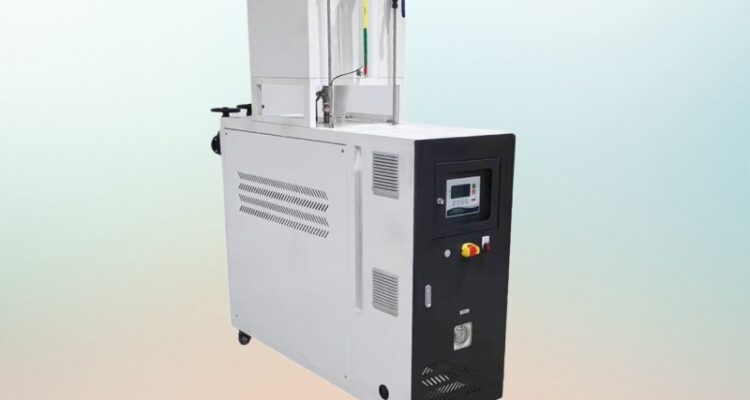
thermal oil heater heating capacity calculation
Accounting for the Process Heat Duty
This is the core load, representing the energy needed to raise the temperature of the material being processed. It is calculated using the mass flow rate of the process material, its specific heat capacity, and the required temperature increase. For example, heating a liquid in a reactor requires calculating the energy to heat the liquid itself, plus any energy needed to heat the reactor vessel and internal components like agitators. If the process involves a phase change, such as evaporating a solvent, the substantial latent heat of vaporization must also be included. This figure represents the steady-state energy required to maintain the process once it is at its operating temperature.
Adding System Heat Losses and Startup Load
No system is perfectly insulated. Heat will be lost from the thermal oil piping, the heater itself, and any connected equipment like valves and pumps to the surrounding environment. These losses are estimated based on the total surface area of insulated piping and equipment, the temperature difference between the oil and ambient air, and the quality of the insulation. For a large or poorly insulated system, these losses can be significant. Furthermore, the initial startup load is often the largest single demand. This is the energy required to heat the entire mass of thermal oil and all the system’s metal components from ambient temperature to operating temperature within a specified warm-up period. This one-time load can be two to three times greater than the steady-state process duty and is critical for sizing the heater’s maximum output.
Incorporating a Practical Safety Margin
Once the sum of the process duty, heat losses, and startup load is established, a sensible design margin is added. A typical margin ranges from 10% to 25%. This margin accounts for unforeseen variables like future process expansions, slightly degraded insulation over time, variations in feedstock properties, or less-than-ideal operating conditions. It provides operational flexibility and ensures the heater isn’t running at 100% of its capacity continuously, which can extend its service life. The final calculated value, expressed in kilowatts (kW) or British Thermal Units per hour (BTU/hr), becomes the basis for selecting a heater with a rated output that meets or slightly exceeds this total demand.
Related Posts