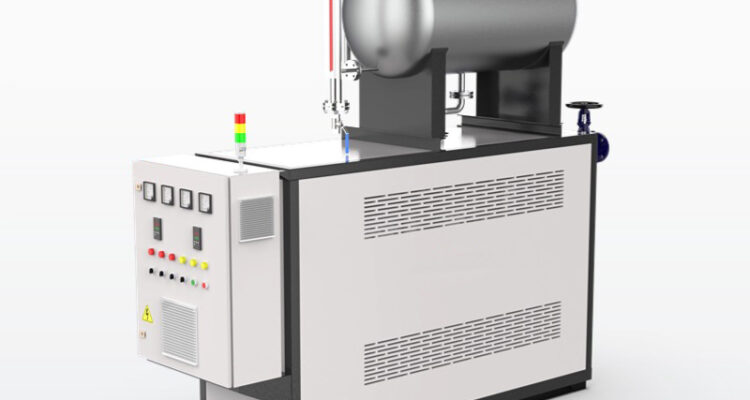
Asphalt plant operations rely on consistent, reliable high-temperature heat to keep aggregate drying, bitumen storage,…
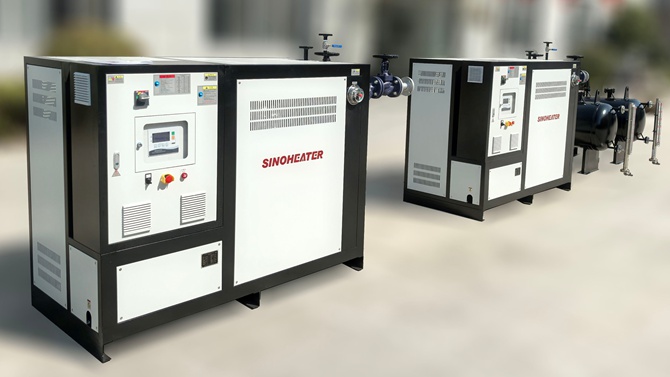
thermal oil heater high efficiency burner
The performance of a thermal oil heater system hinges more on its combustion core than almost any other component, and the high efficiency burner stands as the critical element that bridges fuel input to usable thermal energy transferred into the circulating heat transfer fluid. Even minor inefficiencies in the combustion process can create cascading issues across the entire system: wasted unburned fuel, elevated exhaust emissions, uneven heat distribution across the heating coils, and unnecessary thermal stress that shortens the service life of the heater’s metal components. For industrial facilities running thermal oil heaters around the clock for continuous process heat, optimizing this combustion core delivers measurable improvements to overall operational stability and long-term running costs.
Unlike generic burners built for standard low-temperature heating systems, burners designed for thermal oil heater setups are engineered to handle the unique operating conditions of these high-temperature closed-loop systems. They are built to work in harmony with the heater’s specific heat load profile, the properties of thermal oil, and the high flue gas temperatures that are inherent to thermal oil heating workflows, rather than forcing a one-size-fits-all combustion design into a specialized industrial application.
Core design features that drive combustion efficiency
The most foundational design choice for these burners is their ability to maintain a perfectly balanced air-fuel ratio across the full range of operating loads. Many older burners only operate at peak efficiency when running at 90% to 100% of their maximum output, and their performance drops sharply when the heater ramps down to meet lower process heat demands. High efficiency variants adjust their air intake and fuel delivery in precise, synchronized increments as the system load shifts, ensuring complete, clean combustion even at 20% or 30% of full power. This eliminates the common problem of incomplete fuel burn that leaves unburned particles in the flue gas, which would otherwise stick to the heating coil surfaces and form insulating soot layers that block heat transfer.
Advanced flame shaping technology is another key feature tailored for thermal oil heater operation. The burner produces a long, stable, evenly distributed flame that fills the entire radiant section of the heater chamber without making direct contact with the inner metal walls. This spreads heat evenly across the full surface of the heating coils, rather than concentrating all the high-temperature heat on a small localized section of pipe. This uniform heat distribution prevents hot spots that would otherwise cause thermal oil to break down and form carbon coking on the inner coil walls, while also eliminating uneven thermal expansion that can create premature stress cracks in the heater’s metal structure.
These burners are also built to work seamlessly with preheated combustion air, a feature that is uniquely valuable for thermal oil heater systems. Since thermal oil operates at high temperatures, the flue gas exiting the heater still carries a large amount of usable residual heat. High efficiency burners are engineered to accept this preheated air without disrupting flame stability, using the recovered waste heat to raise the initial air temperature before it enters the combustion zone. This reduces the total amount of fuel needed to reach the target combustion temperature, and cuts down the volume of unused heat that would otherwise be lost straight out through the exhaust stack.
Fuel flexibility for diverse industrial operating environments
One of the most practical advantages of these burners is their ability to operate reliably across a very wide range of different fuel types, without requiring major hardware overhauls or performance tradeoffs. They can run on standard light oil, heavy residual oil, natural gas, and liquefied petroleum gas, and are calibrated to maintain the same high combustion efficiency even when switching between these different fuel sources. This is a huge benefit for facilities that have access to multiple local fuel supplies, or that face frequent fluctuations in fuel availability that would force other heating systems to shut down or run at drastically reduced output.
They also perform reliably with lower calorific value alternative fuels that many standard burners cannot handle. This includes biogas, producer gas, and other low-energy waste fuels that many industrial operations generate as a byproduct of their core production processes. Instead of flaring these waste fuels and wasting their stored thermal energy, facilities can route them directly to the burner to offset a large portion of their primary fuel consumption. This not only cuts down on overall fuel use, but also reduces the facility’s overall waste output and lowers the volume of unprocessed emissions released into the local environment.
The burner’s internal fuel atomization and mixing design is what makes this wide fuel flexibility possible. For liquid fuels, it breaks even high-viscosity heavy oil into extremely fine, uniform droplets that mix completely with combustion air the moment they enter the flame zone. For gaseous fuels, it distributes the fuel stream evenly across the entire air flow path, eliminating pockets of rich or lean fuel that would otherwise cause unstable flameouts or incomplete combustion. This consistent mixing performance stays intact even when the fuel’s composition shifts slightly over time, a common occurrence for facilities using waste-derived alternative fuels.
Operational adjustments to sustain peak burner performance long term
The simplest and most impactful regular maintenance step is consistent inspection and cleaning of the burner’s fuel nozzles and air diffusers. Over thousands of hours of operation, tiny particles from the fuel or small amounts of dust in the ambient air can build up on these components, creating minor blockages that disrupt the even air-fuel mixing pattern. Even a tiny partial blockage in one nozzle can skew the flame shape, creating a localized hot spot on the heater wall and reducing overall combustion efficiency. Regular visual checks and gentle, non-abrasive cleaning of these components restores the original flow pattern, bringing the burner back to its designed performance level without requiring any major part replacements.
Teams should also perform regular combustion tuning at least once every three to six months, or any time they switch to a new type of fuel. This involves taking small samples of the flue gas right after the combustion chamber to measure the levels of oxygen, unburned hydrocarbons, and carbon monoxide present in the exhaust. These readings give a clear, real-time picture of how well the air-fuel ratio is calibrated, and small, incremental adjustments to the air damper or fuel delivery pressure can eliminate excess air that wastes heat, or rich fuel conditions that create unburned emissions. This kind of fine tuning often delivers an immediate, measurable jump in overall system efficiency that is visible in the facility’s daily fuel consumption logs.
It is also important to keep the burner’s connection to the combustion air preheater free of blockages and air leaks. Even small gaps in the ductwork that feeds preheated air to the burner can draw in cold ambient air, lowering the temperature of the intake air and wasting a large portion of the recovered waste heat. Regular pressure and temperature checks across the air duct system help spot these small leaks early, and simple sealing repairs can restore the full waste heat recovery performance of the system. These small, consistent adjustments keep the high efficiency burner operating at peak performance for years, delivering clean, stable, fuel-efficient combustion that supports the full long-term operation of the thermal oil heater system.
Related Posts