Asphalt plant operations rely on consistent, reliable high-temperature heat to keep aggregate drying, bitumen storage,…
thermal oil heater industrial furnace application
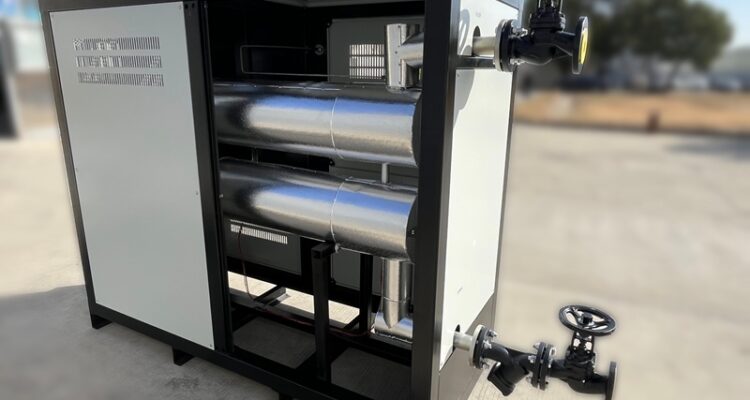
Integrating a thermal oil heater into an industrial furnace setup fundamentally changes how high-temperature process heat is delivered, shifting away from the uneven, often unpredictable heat patterns of direct-fired furnace designs to a system built for sustained, stable thermal output. This application is designed for operations where the production workflow demands consistent, high-level heat across the entire furnace chamber for hours or even days at a time, and where precise temperature control is non-negotiable for maintaining product quality. In these systems, the thermal oil heater acts as the central heat generation unit, while the furnace itself serves as the insulated enclosure that holds the material being processed, with heat transfer coils or jackets built directly into the furnace walls or shelves.
This separation of heat generation and heat application creates a major operational advantage: the heater can be placed in a separate, more accessible utility area, while the furnace sits on the main production floor. This layout keeps combustion exhaust and noise away from sensitive work zones, simplifies maintenance access, and makes it much easier to run multiple furnaces from a single centralized heating source, all without sacrificing the uniform, high-temperature environment needed for demanding industrial processes.
Core design principles for furnace heating integration
The entire integration is built around creating a perfectly balanced heat transfer loop that moves thermal energy from the heater to the furnace chamber with minimal losses. Pumps push heated thermal oil through a network of heavily insulated supply lines into the heat exchange elements embedded within the furnace structure. These elements are designed as coils, jackets, or flat panels that surround the furnace’s interior workspace, radiating heat evenly inward without any direct flame impingement on the material being processed. After the oil releases its thermal energy inside the furnace, it circulates back to the heater for reheating, completing a closed, continuous loop that maintains a steady temperature profile.
One of the defining design principles for this application is the precise matching of heat input to the furnace’s total thermal mass and its heat loss rate. Unlike open-fired furnaces that can experience wild temperature swings as the burner cycles on and off, the thermal oil system delivers a constant, regulated flow of thermal energy. This constant input is carefully calibrated to offset exactly the heat lost through the furnace walls and doors, plus the heat absorbed by the materials inside. The result is a furnace interior that holds a rock-steady temperature, even when large batches of cold material are loaded in, because the system can instantly increase oil flow to compensate for the sudden heat demand.
The layout of the internal heat exchange elements is also critical for achieving uniform heating. For large-volume furnaces, multiple parallel oil circuits are installed to ensure that every corner of the chamber receives the same amount of radiant heat. This prevents the formation of cold zones where material would under-process, or hot spots that could cause localized overheating and product damage. The temperature of the oil entering each circuit is identical, and the flow rate through each circuit is balanced, guaranteeing that the heat distribution is perfectly even from the furnace floor to the ceiling and from the front door to the back wall.
Key advantages for high-temperature material processing workflows
For heat treatment and annealing of metal components, this application delivers the precise, repeatable temperature cycles required to achieve specific material properties. Metals like steel and aluminum alloys need to be heated to a target temperature, held there for a defined soak period, and then cooled at a controlled rate. The stable heat output from the thermal oil system eliminates the temperature overshoots and drops that can occur with direct-fired burners, ensuring every batch of parts undergoes an identical thermal cycle. This consistency is what guarantees uniform hardness, tensile strength, and microstructure across all finished parts, eliminating the batch-to-batch variations that lead to high scrap rates and costly rework.
In ceramic and composite material curing, the furnace provides the stable, contaminant-free heat needed for long-duration processing. Many advanced ceramics and carbon-fiber composites require curing cycles that last for 24 hours or more at tightly controlled temperatures, with no direct flame or combustion gases touching the material. The indirect heating method of the thermal oil system creates a perfectly clean furnace atmosphere, free from the water vapor and carbon byproducts that direct combustion would introduce. This prevents surface defects, discoloration, or weakened bonds in the final cured product, which is especially critical for high-value aerospace or medical-grade components.
For bulk material drying and calcination, the system excels at handling large, dense loads that need deep, penetrating heat. Materials like mineral ores, chemical powders, or catalyst pellets are often processed in deep bed furnaces, where heat must transfer slowly and evenly through the entire pile. The radiant heat from the embedded oil coils penetrates the material bed gradually and uniformly, driving off moisture or triggering chemical reactions without creating a hard, over-dried crust on the top layer. This results in a uniformly processed final product with consistent moisture content or chemical conversion from the top to the bottom of the load, a result that is difficult to achieve with forced hot air or direct flame heating methods.
Operational best practices for sustained furnace performance
Regular thermal mapping of the furnace chamber is the single most effective practice for maintaining long-term heating uniformity. This involves placing multiple temperature sensors at different heights and locations inside the empty furnace, running the system at its standard operating temperature, and recording the temperature readings from each sensor over a full operational cycle. Comparing this thermal map to the baseline readings taken when the system was new quickly reveals any developing hot or cold zones, which usually point to issues like clogged oil flow in a specific coil circuit, damaged insulation in one section of the furnace wall, or a failing circulation pump that is not maintaining even flow pressure.
Maintaining the insulation integrity of both the furnace structure and the connecting supply and return pipelines is another continuous priority. Any gaps, cracks, or compressed sections in the furnace’s insulation layer will create localized heat leaks, forcing the system to burn extra fuel to compensate for the lost energy. For the pipelines, even a small uninsulated section can lose a surprising amount of heat to the surrounding air, lowering the temperature of the oil before it even reaches the furnace. Visual inspections for damaged insulation and periodic surface temperature checks along the full pipe run help spot these efficiency losses early, before they start to impact the furnace’s ability to hold its target temperature.
Finally, implementing a scheduled flushing cycle for the entire thermal oil loop prevents the gradual buildup of sludge and particulates that can settle in low-flow areas of the furnace’s internal coils. Over time, thermal oil will slowly degrade, and the resulting fine particles can accumulate in the horizontal sections of the furnace coils, reducing flow and creating insulating barriers. A controlled, high-flow flushing procedure performed during planned maintenance shutdowns dislodges and removes these deposits, restoring full flow and heat transfer efficiency across all the furnace’s heating elements. This simple procedure extends the service life of both the thermal oil and the furnace coils, ensuring the furnace continues to deliver perfectly uniform heat for every production cycle.
Related Posts