Asphalt plant operations rely on consistent, reliable high-temperature heat to keep aggregate drying, bitumen storage,…
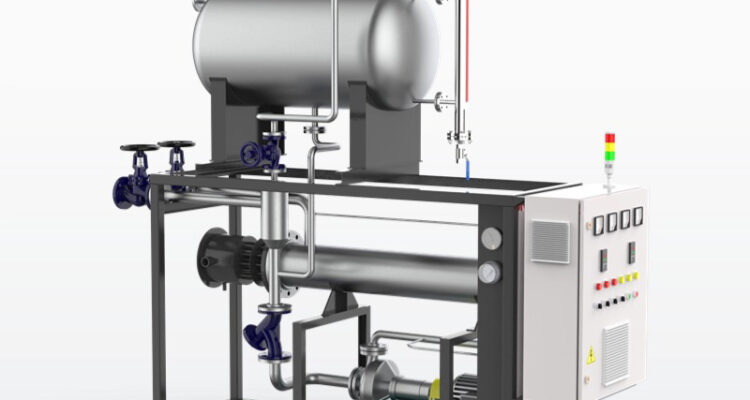
thermal oil heater stack temperature monitoring
Monitoring the stack temperature of a thermal oil heater is one of the most direct and revealing diagnostics for assessing the unit’s combustion efficiency and internal health. It is not just a number on a gauge; it represents the final thermal loss from the system—the heat energy that was not captured by the thermal oil and instead exited up the flue. A well-operated heater running at peak efficiency will have a stack temperature that is consistently as low as possible while still maintaining proper draft and avoiding condensation of corrosive flue gases. Tracking this temperature over time provides a clear, real-time indicator of how effectively the heat exchanger surfaces are transferring energy from the hot combustion gases to the circulating oil.
An upward trend in stack temperature, all other factors being equal, is a reliable early warning sign that something is impeding this heat transfer. It signals that a greater portion of the fuel’s energy is being wasted, increasing operational costs and potentially flagging developing issues that could lead to more serious problems. Conversely, a stack temperature that is too low can indicate other operational risks, such as excessive heat loss or conditions ripe for acidic condensation. Therefore, systematic monitoring moves beyond simple observation to become a core component of predictive maintenance and energy management.
Establishing baseline readings and normal operating ranges
The first step in effective monitoring is to establish a reliable baseline. This should be done when the heater is newly commissioned or after a major cleaning and service, when the heat exchange surfaces are known to be clean and the burner is properly tuned. Under stable, full-load operating conditions, measure and record the stack temperature using a calibrated, high-temperature probe inserted into the flue gas stream at a consistent location, typically several feet downstream from the heater outlet to ensure a well-mixed gas sample. This initial reading, paired with the corresponding heater outlet oil temperature and fuel input rate, defines the optimal baseline performance.
It’s critical to understand that the “normal” stack temperature is not a fixed number but is intrinsically linked to the heater’s outlet oil temperature. As a rule of thumb, the stack temperature should be maintained between 150°F to 300°F above the outlet oil temperature. For example, a heater producing 600°F oil would typically have a stack temperature in the range of 750°F to 900°F under clean, efficient operation. The specific target range is provided by the heater manufacturer and is based on the design of the heat exchanger. This differential, rather than the absolute stack temperature, is the key metric to track.
Monitoring must also account for the heater’s firing rate. Stack temperature will naturally vary with load; it will be lower when the burner is at low fire and higher at high fire. Therefore, meaningful comparisons should always be made at similar firing rates or oil outlet temperatures. Creating a simple chart or log that correlates stack temperature with heater outlet temperature over a range of loads provides the most useful reference for detecting anomalies.
Interpreting rising stack temperature trends and root causes
A sustained increase in stack temperature, when compared to the baseline at the same oil outlet temperature and firing rate, is a primary indicator of heat transfer inefficiency. The most common cause is fouling on the fire side of the heat exchanger tubes. Over time, soot, ash, or unburned carbon can accumulate on the external surfaces of the tubes that run through the combustion chamber. This layer acts as an insulator, reducing the rate at which heat from the combustion gases can pass through the tube wall and into the oil. As the insulation effect worsens, the gases leave the heat exchanger at a higher temperature because less of their heat has been extracted.
Another potential cause is scaling or coking on the inside (oil side) of the tubes. While less common with proper fluid maintenance, severe thermal degradation of the oil can lead to hard carbon deposits forming on the inner tube walls. This also creates an insulating barrier, albeit from the opposite side. In this case, the tube metal temperature rises because heat cannot pass efficiently into the oil. This overheats the tube, which in turn heats the passing flue gas to a higher temperature, raising the stack reading. Differentiating between fire-side and oil-side fouling often requires correlating stack temperature trends with other data, such as an increase in system pressure drop (suggesting oil-side flow restriction) or visual inspection during shutdown.
Incorrect burner adjustment or combustion air imbalance can also elevate stack temperature. If there is too much excess air, the extra volume of cold air dilutes and cools the combustion gases initially, but it must still be heated by the burner. This excess, unneeded mass absorbs heat and carries it up the stack, raising the stack temperature. Conversely, too little air creates incomplete combustion, generating soot that contributes to fire-side fouling and reduces efficiency. Regular combustion analysis (measuring O2 and CO levels in the flue) is therefore an essential companion diagnostic to stack temperature monitoring.
Operational and safety implications of abnormal readings
An elevated stack temperature has direct and significant financial consequences. It represents wasted fuel. For every 40°F increase in stack temperature, efficiency can drop by approximately 1-2%, depending on the heater design. This translates directly to higher fuel consumption for the same useful heat output. Over months of operation, the cost of this wasted energy can be substantial. Monitoring the trend allows operators to schedule soot blowing or heat exchanger cleaning at the optimal time—before efficiency losses become severe, but not so frequently that maintenance costs are excessive.
On the safety side, consistently high stack temperatures can accelerate the degradation of the stack liner or chimney materials, potentially leading to costly repairs. More critically, if the cause is internal coking on the oil-side tubes, the resulting high tube wall temperatures can lead to thermal stress, tube bulging, and ultimately tube failure. A tube rupture inside a fired heater is a serious safety incident. Therefore, a rising stack temperature trend is a key parameter that should trigger investigation and corrective action as part of a preventative maintenance program.
An unusually low stack temperature also warrants investigation. While it might seem to indicate high efficiency, it can signal that flue gases are cooling below their dew point, particularly in systems burning fuels containing sulfur. When sulfur dioxide in the flue gas condenses with water vapor, it forms sulfuric acid, which causes rapid, severe corrosion to the heat exchanger tubes, economizer, and stack. A stack temperature that drifts downward over time may also indicate a breach in the heat exchanger, where cold air is being drawn into the flue, or a problem with the draft inducer.
Implementing a proactive monitoring and response protocol
Effective monitoring requires consistent data collection. This is best achieved by installing a permanent, high-durability thermocouple in the stack, connected to the heater’s control panel for continuous display and data logging. The logged data should be reviewed weekly to identify trends, not just daily fluctuations. Plotting stack temperature against heater outlet temperature on a simple graph makes deviations from the normal correlation line immediately obvious.
When an upward trend is confirmed, the response protocol should be systematic. The first step is to perform a combustion efficiency test to rule out air/fuel ratio issues. If combustion is optimal, the next step is often a visual inspection via inspection ports to check for soot buildup on the fire side. If accessible and indicated by other symptoms (like rising oil pressure drop), an oil sample should be analyzed for signs of severe degradation that could cause internal coking.
Based on the findings, corrective actions are taken. For fire-side fouling, this may involve activating soot blowers (if equipped) or scheduling a manual cleaning during the next shutdown. For suspected oil-side issues, an oil change and system flush may be necessary. The ultimate goal of stack temperature monitoring is to move from a reactive “fix-it-when-it-breaks” model to a predictive maintenance strategy. By treating the stack temperature as a vital sign of the heater’s health, operators can schedule necessary cleanings during planned downtime, maintain optimal fuel efficiency, and prevent minor issues from escalating into major failures, ensuring the system delivers safe, reliable, and cost-effective heat over its entire service life.
Related Posts