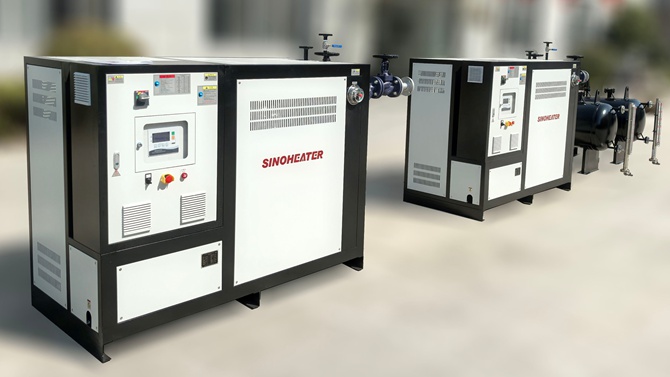
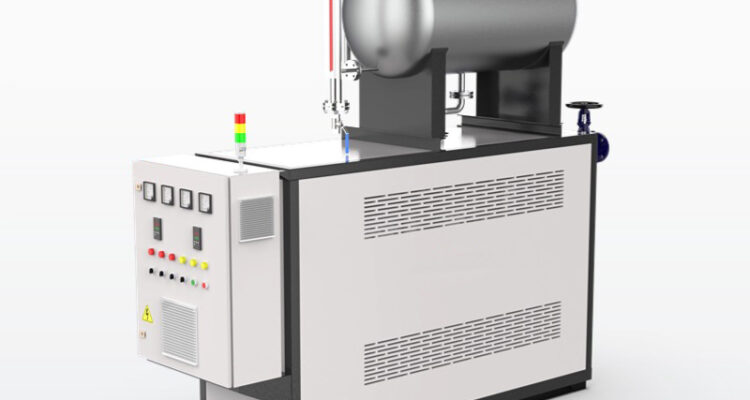
Asphalt plant operations rely on consistent, reliable high-temperature heat to keep aggregate drying, bitumen storage,…
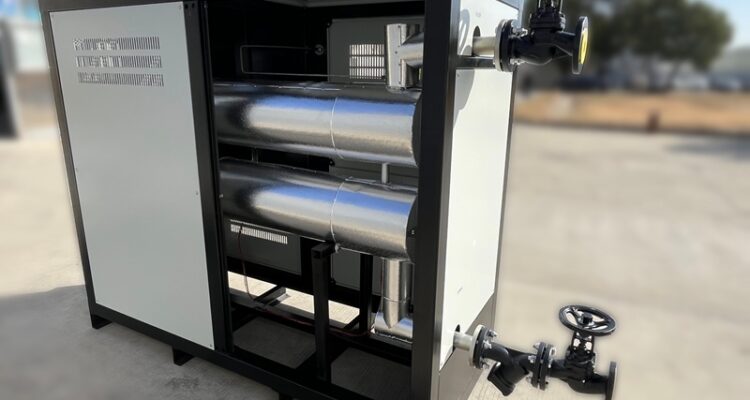
thermal oil heater industrial energy management
Industrial energy management for a thermal oil heater system transcends basic operation; it is a holistic strategy to minimize the cost of every unit of useful heat delivered to the process. It begins with the recognition that the heater is not an isolated appliance but the heart of a thermal energy network. True management focuses on the entire lifecycle of heat: from the chemical energy in the fuel, through its conversion and transfer in the heater, its distribution via the piping and pumps, its utilization in process equipment, and finally, the containment of any residual heat that can be recovered. The goal is to squeeze maximum value from every fuel dollar by systematically attacking losses at each stage, turning what was once considered fixed overhead into a source of measurable, ongoing savings and competitive advantage.
This approach moves beyond simply keeping the equipment running. It involves continuous measurement, analysis, and adjustment of both the supply side (the heater’s efficiency) and the demand side (how the plant uses the heat). It treats energy not as an uncontrollable cost but as a manageable input, where performance is benchmarked, targets are set, and deviations are investigated with the same rigor applied to raw material usage or production throughput.
Foundational practices for maximizing heater-side efficiency
The starting point for any energy management program is ensuring the heater itself converts fuel to thermal energy as efficiently as possible. This begins with precise combustion control. Regularly testing and adjusting the air-to-fuel ratio is paramount. Excess air cools the combustion chamber and carries unused heat up the stack, while insufficient air leads to unburned fuel and soot formation. Using a portable combustion analyzer to measure flue gas oxygen (O2) and carbon monoxide (CO) levels allows for fine-tuning the burner to maintain optimal, clean combustion. This single activity can often improve efficiency by several percentage points with minimal investment.
Closely linked to combustion is the maintenance of heat transfer surfaces. The stack temperature is a direct indicator of heater efficiency. A gradual rise in stack temperature, when compared to the same oil outlet temperature, signals fouling on either the fire side (soot, ash) or the oil side (coking, scale). This insulating layer forces the burner to consume more fuel to achieve the same oil temperature. Implementing a schedule for soot blowing (if equipped) or manual cleaning of fire-side tubes, based on stack temperature trends rather than a fixed calendar, preserves design efficiency. Internally, maintaining the thermal fluid’s properties through regular analysis and timely replacement prevents the formation of conductive fouling on the tube interiors.
Heat containment is another critical area. Inspecting and repairing the heater’s refractory lining and external insulation prevents radiant and convective heat losses directly to the surrounding environment. Similarly, ensuring that all inspection doors, sight glasses, and penetrations are properly sealed eliminates air infiltration, which can cool the combustion chamber and disrupt burner performance. On the hot oil side, a thorough audit of all piping, valves, and flanges with a thermal imaging camera will reveal areas of missing or degraded insulation, allowing for targeted repairs that keep the heat within the system.
Strategic system design and operational protocols
Efficiency is also engineered into how the system is operated and controlled. Implementing a cascaded temperature control strategy, where the heater outlet temperature setpoint is dynamically adjusted based on the highest temperature required by any active process user, prevents overheating the oil unnecessarily. If the highest demand is only 550°F, there is no need to maintain the loop at 600°F; the reduced temperature difference lowers heat losses from piping and reduces thermal stress on the fluid.
For systems with highly variable heat demand, integrating a variable frequency drive (VFD) on the main circulation pump can yield substantial electrical savings. Instead of running the pump at a constant speed, the VFD adjusts the motor speed to maintain the required system pressure or flow. During periods of low heat demand, when many control valves are throttled, the pump speed can be reduced, sometimes cutting electrical consumption by 50% or more. This also reduces mechanical wear on the pump and associated components.
Establishing and enforcing standard operating procedures for startup, shutdown, and standby modes eliminates energy waste during non-production periods. A common source of loss is leaving the heater and full circulation pump running at high temperature when the process is idle for extended breaks. Implementing an automated or procedural step to lower the system temperature to a safe holding level during these times can result in significant fuel savings. The key is to balance the energy cost of reheating against the cost of maintaining temperature, which depends on the duration of the idle period and the system’s insulation quality.
Integrating heat recovery and waste stream utilization
Advanced energy management looks for opportunities to capture waste heat from the heater’s own operation. The most straightforward target is the flue gas. Installing an economizer or air pre-heater in the exhaust stack uses the hot flue gases to preheat the combustion air entering the burner or to preheat a stream of makeup water or process fluid. This directly reclaims energy that would otherwise be lost, improving overall system efficiency by 5% or more. The feasibility depends on the stack temperature and the corrosiveness of the flue gases, but it often offers a compelling return on investment.
Another opportunity lies in managing the heat contained in the thermal oil itself. In processes where the oil returns from the user at a temperature still significantly above the heater inlet, a plate-and-frame or shell-and-tube heat exchanger can be used to transfer this “waste” heat to a lower-temperature process stream, such as space heating, domestic hot water, or a pre-heating stage for incoming materials. This reduces the primary heater’s load. Furthermore, for systems with multiple heaters, implementing lead-lag sequencing control ensures that the unit operating closest to its peak efficiency range carries the base load, while other units are brought online only as needed to meet peak demands.
Controlling heat loss from the extensive network of distribution piping is a continuous effort. Upgrading to higher-performance insulation materials on main supply and return lines, especially in outdoor or unheated spaces, has a rapid payback. Regularly using thermal imaging to identify and repair “hot spots” at valves, pumps, and flanges where insulation has failed or degraded is a simple yet effective maintenance task that directly conserves energy.
Data-driven monitoring, benchmarking, and continuous improvement
The cornerstone of a modern energy management program is measurement. You cannot manage what you do not measure. Installing meters to track key performance indicators (KPIs) is essential. The primary KPI is the system’s thermal efficiency, calculated by comparing the useful heat energy delivered to the process (based on oil flow, specific heat, and ΔT) to the fuel energy input (from a fuel flow meter or utility bills). Tracking this efficiency number weekly or monthly creates a performance baseline.
Sub-metering provides deeper insights. Installing a dedicated fuel meter on the heater, separate from the plant’s main meter, isolates its consumption. Monitoring electrical consumption of the main circulation pump and any auxiliary fans or pumps reveals the system’s parasitic loads. Recording data for stack temperature, oil inlet/outlet temperatures, and system pressure allows for the creation of performance curves. Overlaying current operating data on these “golden” benchmark curves quickly highlights deviations that indicate efficiency degradation.
This data should be compiled into a simple dashboard or monthly report that tracks key metrics over time. The goal is to identify trends, not just spot instantaneous problems. A gradual, 2% decline in thermal efficiency over six months might not trigger an alarm, but it represents a substantial and growing financial loss. This data-driven approach allows for condition-based maintenance, where actions like burner tuning, soot blowing, or filter changes are triggered by performance metrics rather than a calendar, ensuring resources are used where they have the greatest impact on energy savings.
Ultimately, effective energy management transforms the thermal oil system from a cost center into a measurable, optimized asset. It creates a culture where operators are empowered to identify waste, where maintenance is proactive and targeted, and where investment decisions for upgrades are supported by clear performance data. The result is not just lower fuel and electricity bills, but also improved system reliability, extended equipment life, and a reduced environmental footprint—all contributing directly to the plant’s operational and financial resilience.
Related Posts