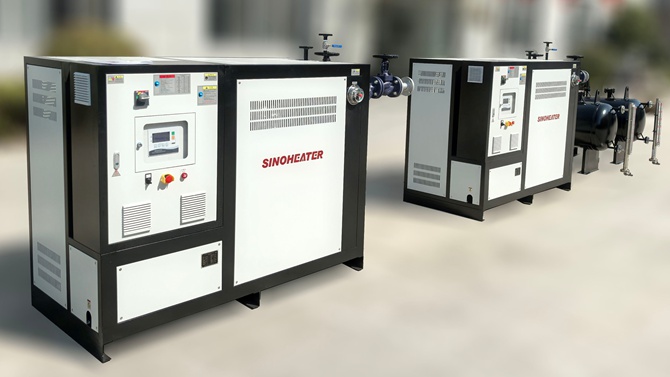
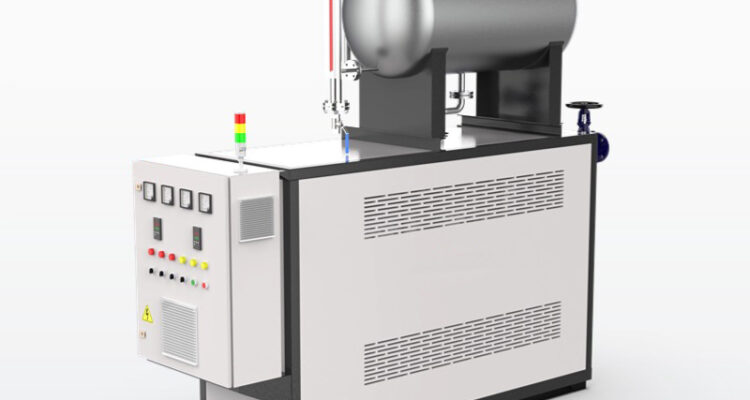
Asphalt plant operations rely on consistent, reliable high-temperature heat to keep aggregate drying, bitumen storage,…
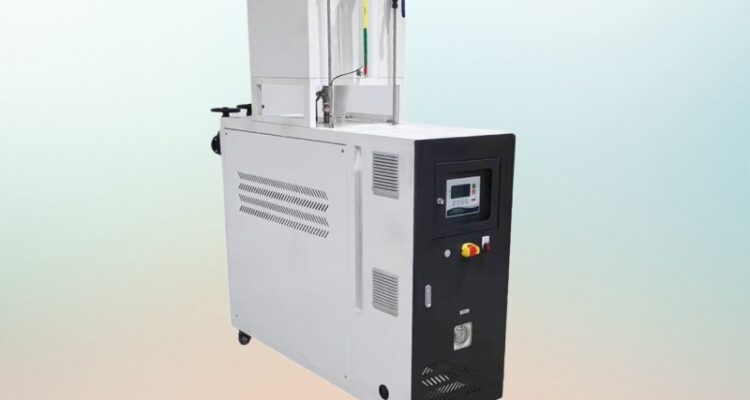
thermal oil heater operating cost reduction
Many industrial facilities rely on thermal oil heaters for consistent process heat, yet often overlook straightforward adjustments that can lead to significant, ongoing savings in operating costs. A strategic focus on system optimization, routine maintenance, and heat management can reduce energy consumption and extend equipment life without major capital investment.
Optimizing System Efficiency and Combustion
A primary driver of operating cost is the efficiency of the combustion process itself. Regular tuning of the air-to-fuel ratio is critical; too much excess air carries heat up the stack, while insufficient air leads to incomplete combustion and soot formation. Installing and maintaining oxygen trim controls can automatically adjust this ratio in real-time for optimal efficiency. Ensuring the burner nozzle is clean, properly sized, and aligned promotes a stable, clean flame that transfers maximum heat to the thermal oil. Additionally, monitoring and maintaining the correct oil flow rate and pressure as per the heater’s design specifications prevents overheating and ensures even heat distribution across the entire heating surface. A simple practice like scheduling combustion efficiency analysis quarterly can identify drift and correct it before it impacts monthly fuel bills.
Proactive Maintenance to Prevent Costly Losses
Reactive repairs are far more expensive than proactive care. Implementing a disciplined maintenance schedule targeting key components directly prevents efficiency losses and avoids downtime. This includes routinely cleaning soot and scale from the fire-side of the tubes, which acts as an insulating barrier and drastically reduces heat transfer. Inspecting and cleaning the thermal oil side of the system, including filters and strainers, maintains optimal flow and prevents localized overheating that degrades the oil. Regularly testing the thermal fluid for viscosity, acidity, and flash point is essential. Degraded fluid increases pumping costs, reduces heat transfer efficiency, and can lead to coke formation inside the pipes, requiring a costly system flush. Sealing air leaks in the heater casing and around inspection doors prevents cold air ingress, which disrupts combustion and forces the burner to work harder.
Managing Heat Retention and Recovery
A significant portion of energy cost is wasted through lost heat. Inspecting and upgrading insulation on all hot surfaces—including heater headers, valves, and downstream piping—is one of the most cost-effective measures. Damaged or inadequate insulation can result in substantial surface heat losses, continuously driving up fuel demand. Exploring heat recovery opportunities presents another avenue for savings. Installing an economizer to preheat the combustion air using hot flue gases, or using a heat exchanger to capture waste heat from the thermal oil system for preheating feedwater or space heating, turns wasted energy into useful work. Finally, implementing precise temperature control for each process loop, rather than running the entire system at the temperature of the highest-demand process, prevents unnecessary overheating and reduces the thermal load on the heater.
Related Posts