Asphalt plant operations rely on consistent, reliable high-temperature heat to keep aggregate drying, bitumen storage,…
thermal oil heater thermal fluid expansion
Thermal fluid expansion is a fundamental physical process in every thermal oil heater system, yet its proper management is often overlooked until problems arise. Understanding and planning for this expansion is not just a safety requirement, but a critical factor in maintaining system efficiency, preventing fluid degradation, and avoiding costly operational shutdowns.
The Physics and Impact of Fluid Expansion
When a thermal oil heater starts from a cold state, the thermal fluid volume increases significantly as it is heated to operating temperature. This expansion is not linear and depends on the fluid type and the system’s temperature range; a system heating from 20°C to 300°C can see a volume increase of 20-25%. This expanding fluid must have a designated place to go. If the system is rigidly sealed without accommodation, the result is a rapid and dangerous pressure spike that can exceed the rating of pipes, pumps, and vessels, leading to leaks or catastrophic failure. Even in a properly designed system, insufficient expansion capacity forces hot fluid into the cold, unpressurized expansion tank. This causes constant “breathing” — where fluid is expelled to the tank on heat-up and drawn back on cool-down — which introduces oxygen and accelerates oxidative breakdown of the fluid.
Designing and Sizing the Expansion Tank
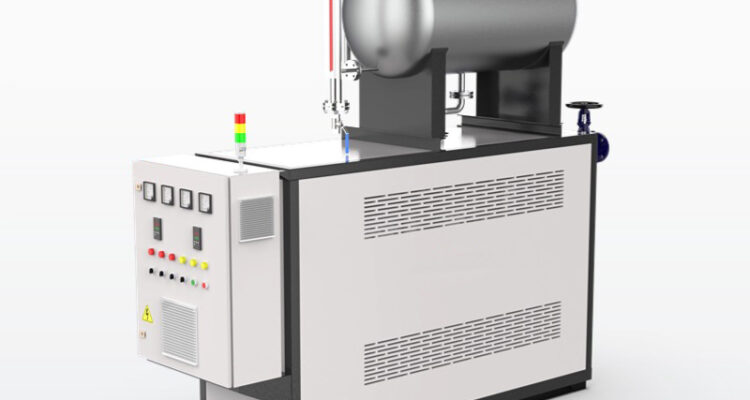
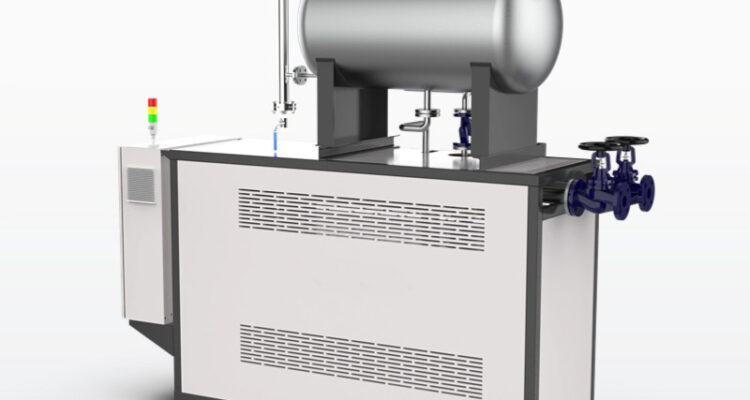
The expansion tank is the heart of managing this volume change. Its primary function is to provide a buffer space for the expanded fluid and to maintain a positive pressure blanket, typically with an inert gas like nitrogen, to prevent oxygen ingress. Correct sizing is paramount. The tank must be large enough to hold the total expanded volume of the entire system fluid charge at maximum operating temperature without overfilling. A common rule is for the tank to accommodate 25-30% of the total system volume. Its placement is equally important. It should be located as the highest point in the system, typically above the heater and process users, to allow easy venting of air and vapors. The connecting line from the system to the tank must be generously sized and free of valves or restrictions that could impede flow during rapid expansion.
Operational Best Practices for Stable Expansion
Proper startup procedure is the first defense against expansion-related issues. Systems should be heated gradually according to the heater manufacturer’s guidelines, allowing the fluid to expand uniformly and air to be purged steadily to the expansion tank. Ramping up temperature too quickly can cause turbulent, uneven expansion and potentially vaporize fluid in localized hot spots. Maintaining the correct fluid level in the expansion tank during operation is a key daily check. The level should be monitored when the system is at its normal operating temperature. A level that is too low risks uncovering the tank outlet and pulling inert gas into the main loop, while a level that is too high leaves no room for expansion and increases pressure. Regular inspection of the tank’s inert gas pressure blanket is also essential to ensure it is maintained, preventing air from being drawn into the system during cooldown cycles, which leads to fluid oxidation and sludge formation.
Related Posts