Asphalt plant operations rely on consistent, reliable high-temperature heat to keep aggregate drying, bitumen storage,…
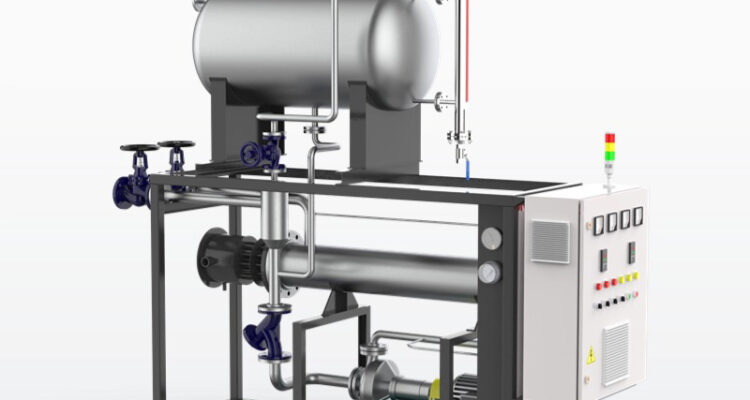
thermal oil heater industrial heating equipment
Thermal Oil Heater: A Deep Dive into Modern Industrial Heating Equipment
Core Operating Principles of Thermal Oil Heating Systems
At the heart of modern industrial heating equipment lies the principle of indirect, closed-loop heat transfer using thermal oil as the medium. Unlike steam-based systems that operate under high pressure to achieve elevated temperatures, thermal oil heaters can deliver consistent, high-temperature heat at or near atmospheric pressure. This is achieved by circulating a specialized heat transfer fluid through a network of pipes that pass over a combustion chamber or electric heating elements. The fluid absorbs thermal energy and carries it under controlled flow to the target process equipment, where it releases the heat through a heat exchanger before returning to the heater to be reheated. This continuous cycle creates a stable thermal reservoir that can maintain precise temperature setpoints, often within a fraction of a degree, over extended operational periods.
Closed-Loop Circulation and Thermal Stability
The closed-loop design is fundamental to the system’s performance. By isolating the thermal oil from direct contact with air, the system minimizes the risk of oxidation and contamination, which are primary causes of fluid degradation. The circulation pump maintains a constant, turbulent flow throughout the piping network, ensuring that the fluid does not stratify or create localized hot spots. This continuous motion prevents the thermal oil from coking or breaking down prematurely on the heated surfaces of the heater. The inherent high specific heat capacity of the oil allows it to store a significant amount of thermal energy, providing a natural buffer that smooths out temperature fluctuations caused by varying process loads or minor changes in the heat input.
Low-Pressure High-Temperature Capability
A defining advantage of this class of industrial heating equipment is its ability to reach process temperatures far above the normal boiling point of water, while operating at a fraction of the pressure required by an equivalent steam system. This drastically reduces the mechanical stress on piping, vessels, and heat exchangers, eliminating the need for many of the heavy-duty pressure-rated components required for high-temperature steam. This operational characteristic simplifies system design, reduces the complexity of safety valve setups, and lowers the risk associated with high-pressure utilities in a factory environment. It makes the equipment particularly well-suited for processes that demand sustained, uniform high heat without the hazards of pressurized vapor.
System Architecture and Key Functional Components
A well-engineered thermal oil heating system is a carefully balanced assembly of components designed for reliability, safety, and thermal efficiency.
Heater Bundle and Heat Transfer Surfaces
The heater bundle itself is constructed with extensive surface area to maximize the rate of heat transfer from the source (flue gas or electric elements) to the circulating oil. In combustion-based units, this involves multiple passes of the flue gas over the tube banks, arranged to extract the maximum amount of energy before the exhaust is vented. The tubes are often arranged in a staggered pattern to create turbulence in both the flue gas and the oil flow, enhancing convective heat transfer. This design ensures that the thermal energy is efficiently moved into the working fluid rather than being wasted up the stack, contributing to the overall high thermal efficiency of the system.
Expansion Vessel and Fluid Management
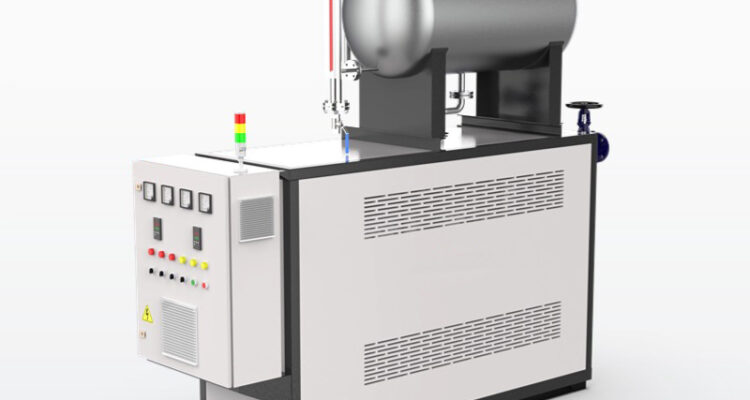
The expansion vessel is a critical, often overlooked, component in the system architecture. As thermal oil heats up, it expands significantly in volume. The expansion tank provides the necessary space to accommodate this volumetric change, preventing dangerous pressure spikes in the closed loop. Positioned at the highest point of the system, it also serves as a point for venting any entrained air or dissolved gases that come out of solution during initial startup or fluid replacement. This deaeration process is vital because air bubbles in the circulation loop can cause flow interruptions, hot spots, and accelerated fluid degradation. The tank is designed to maintain a consistent head pressure on the suction side of the circulation pump, ensuring reliable and cavitation-free operation.
Safety and Control Instrumentation
Modern thermal oil heaters are equipped with a comprehensive suite of sensors and interlocks. High-temperature limit switches, low-flow protection devices, and pressure transmitters continuously monitor system health. The control logic uses feedback from these instruments to modulate the heat input, ensuring that the system operates safely within its design parameters. For instance, if the flow rate drops below a critical threshold, the system will automatically reduce or shut down the heat source to prevent the thermal oil from overheating and coking inside the tubes. This layered approach to instrumentation creates a robust safety net that protects both the equipment and the surrounding industrial environment.
Industrial Applications and Operational Advantages
The unique properties of thermal oil heaters make them indispensable across a wide spectrum of industrial processes that demand precise and reliable heat.
Precision Process Heating for Manufacturing
Industries such as chemical processing, plastics manufacturing, and food production rely on these systems to maintain exacting temperature profiles. In processes like reactor heating, extrusion, or drying, the consistent, non-fluctuating heat delivered by the thermal oil loop ensures product uniformity and quality. The ability to route the heated fluid through complex piping networks means that multiple process points across a large facility can be fed from a single central heater, simplifying utility management and reducing the footprint of distributed heating units.
Energy Efficiency and Long-Term Reliability
The operational advantages extend directly to energy management. The high efficiency of heat transfer, combined with the ability to recover waste heat from the flue gas or process returns, results in significantly lower fuel consumption compared to less optimized heating methods. The low operating pressures reduce the strain on all mechanical components, leading to longer service life and less frequent maintenance shutdowns. The thermal stability of the heat transfer fluid, when properly maintained, allows for years of continuous operation without the need for frequent fluid replacement, contributing to a low total cost of ownership over the system’s lifespan.
Versatility in Complex Thermal Zones
Many industrial facilities require different temperature levels in different zones simultaneously. Thermal oil systems excel here by allowing for precise zoning. The main high-temperature loop can feed secondary heat exchangers that reduce the temperature for specific processes, or variable-speed pumps can adjust the flow rate to different zones to modulate the heat delivered. This level of control is difficult to achieve with steam or hot water systems, making thermal oil heaters the preferred choice for sophisticated manufacturing lines that require multiple, distinct thermal environments operating in harmony.
Related Posts