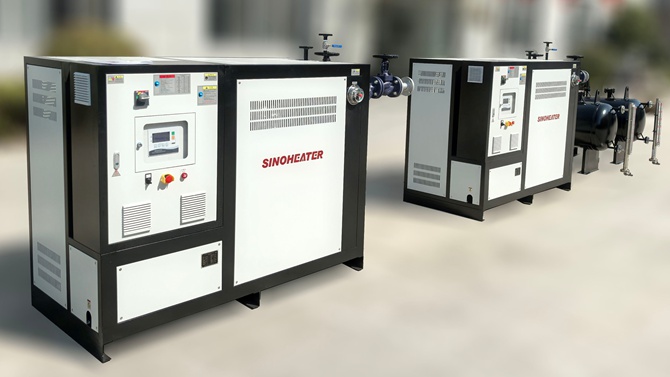
Asphalt plant operations rely on consistent, reliable high-temperature heat to keep aggregate drying, bitumen storage,…
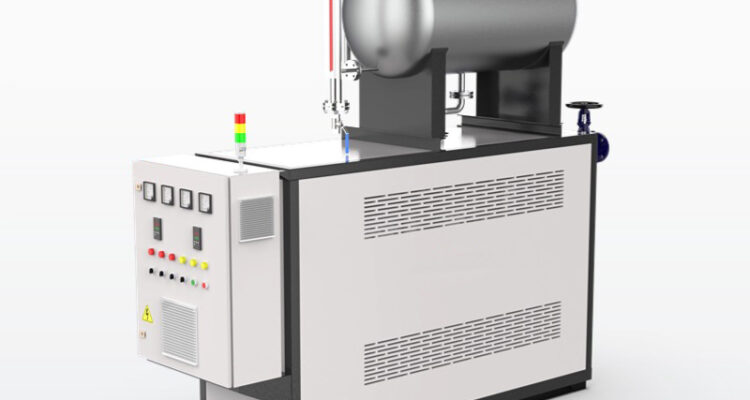
thermal oil heater industrial energy efficiency
Strategies for Enhancing Industrial Energy Efficiency in Thermal Oil Heating Systems
Achieving high energy efficiency in thermal oil heater operations is a multi-faceted endeavor that directly impacts fuel consumption, operational costs, and environmental footprint. It requires a system-wide perspective that integrates optimized combustion, intelligent thermal management, and proactive maintenance, building upon the foundational principles of fluid circulation design, heat recovery, and loss prevention discussed in prior technical contexts. This holistic approach moves beyond the heater unit itself to encompass the entire thermal energy delivery and utilization loop.
Optimizing Combustion Efficiency and Excess Air Control
The primary determinant of a heater’s base efficiency is the completeness of fuel combustion. This is governed by maintaining the ideal air-to-fuel ratio. Insufficient air leads to unburned fuel and soot formation, while excessive air cools the combustion chamber and carries unused heat out the stack. Modern systems utilize oxygen trim controls that continuously monitor flue gas oxygen content and automatically adjust the combustion air supply. Keeping excess oxygen within a tight optimal range (typically 2-4% for many fuels) ensures near-complete combustion while minimizing stack heat losses. Regular burner tuning and calibration, coupled with the use of high-efficiency burners designed for the specific fuel type, are essential to sustain peak combustion performance over time.
Advanced Thermal Management and Heat Recovery Integration
Maximizing the useful heat transferred to the process fluid is the next critical layer. This involves ensuring the thermal oil circulates at the designed flow rate and temperature differential (ΔT) across the heater. A higher ΔT often indicates better heat absorption, but it must be balanced against oil degradation risks. Integrating flue gas heat recovery systems, such as economizers or air preheaters, captures waste heat from exhaust gases to preheat the incoming thermal oil or combustion air. As previously explored, this recovers energy that would otherwise be lost, significantly boosting overall system efficiency. Furthermore, applying and maintaining high-quality insulation on all hot surfaces—including the heater, piping, valves, and expansion tanks—is a fundamental and cost-effective method to reduce radiant and convective losses to the environment.
System Design for Load Matching and Process Integration
Efficiency is not solely about the heater’s performance at full load; it’s about its performance across the actual, often variable, process demand. Systems designed with modulating or staged burners can adjust their heat output closely to match the real-time load, avoiding the inefficiencies of constant on/off cycling or running at a low turndown ratio. Implementing a cascaded heat recovery strategy, where waste heat from a high-temperature process is used to serve a lower-temperature need (e.g., preheating feed stocks or providing space heating), creates an integrated energy network. Proper sizing of the heater and the entire distribution system to match the peak and average loads, avoiding gross oversizing, prevents chronic low-load operation, which is inherently less efficient.
Proactive Maintenance and Performance Monitoring Regime
Sustained efficiency requires diligent upkeep. A comprehensive maintenance program focuses on several key areas: regularly cleaning the heater’s fire tubes and heat exchanger surfaces to prevent soot and scale buildup that act as insulating barriers; inspecting and replacing worn pump seals to prevent internal leaks and maintain proper circulation pressure; and monitoring thermal oil quality through periodic analysis to detect degradation, fouling, or viscosity changes before they impair heat transfer. Implementing a continuous performance monitoring system that tracks key parameters like stack temperature, oxygen levels, fuel consumption, and system ΔT allows for trend analysis and early identification of efficiency drift, enabling corrective action before significant energy waste occurs. This data-driven approach ensures the system operates at its designed efficiency throughout its lifecycle.
Related Posts