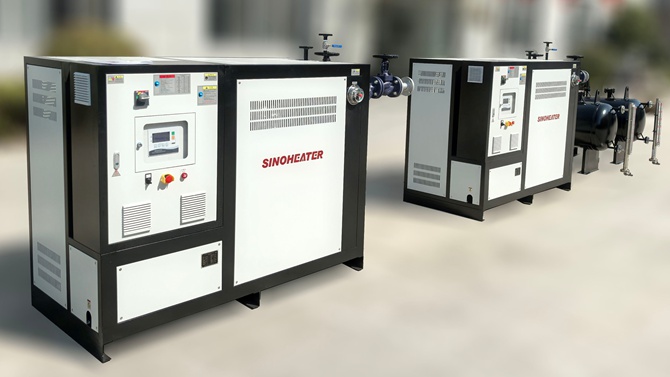
Asphalt plant operations rely on consistent, reliable high-temperature heat to keep aggregate drying, bitumen storage,…
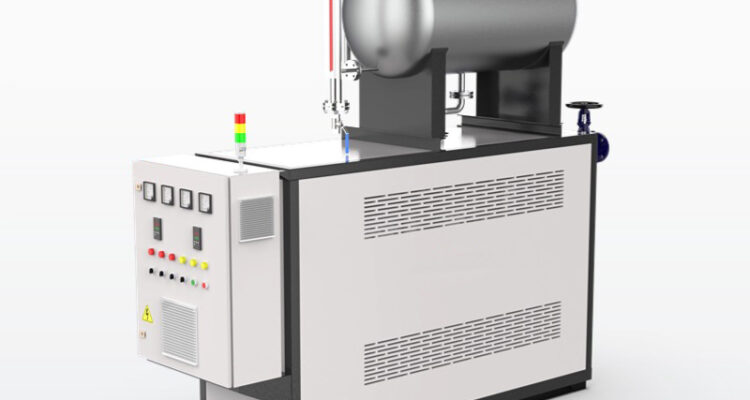
thermal oil heater heating process optimization
Thermal oil heater heating process optimization focuses on enhancing the energy efficiency, temperature control precision, and operational stability of the closed-loop system, directly impacting fuel consumption, system longevity, and product quality in industrial heating applications. By analyzing and refining key parameters across the entire thermal circuit, operators can achieve significant reductions in operating costs while maintaining or improving thermal performance. Effective optimization is an ongoing process that balances the heat demand of the process with the most efficient delivery from the heater.
Advanced Temperature Control and Setpoint Management
Precise temperature regulation is the cornerstone of optimization. Moving beyond simple on/off burner control, implementing advanced control strategies like PID (Proportional-Integral-Derivative) tuning or cascade control can dramatically improve stability. This involves setting the burner’s firing rate in precise response to the actual thermal oil outlet temperature, minimizing overshoot and undershoot. Further optimization can be achieved by analyzing the process heat demand profile. If the downstream process operates at varying temperatures, implementing multiple temperature setpoints or load-proportional control allows the heater to match its output more closely to the real-time demand, rather than maintaining a constant, potentially excessive, temperature. This reduces thermal cycling stress on the heater and fluid.
Heat Transfer Fluid Condition and Flow Dynamics Optimization
The condition and flow of the heat transfer fluid are critical efficiency factors. Regular fluid analysis is essential to monitor for thermal degradation, oxidation, and the formation of sludge or carbon deposits. Maintaining fluid within its optimal viscosity and thermal stability range ensures efficient heat pickup in the heater and heat release in the process heat exchanger. Simultaneously, optimizing the fluid flow rate is key. The flow must be sufficient to prevent film boiling and excessive film temperature at the heater tube walls, which accelerates fluid degradation. However, excessively high flow rates increase pumping energy without proportional heat transfer benefits. An optimized system balances flow velocity to achieve turbulent flow for maximum heat transfer efficiency while minimizing parasitic pump power consumption.
Waste Heat Recovery and System Integration Strategies
A major area for optimization lies in capturing and reusing waste heat. Exhaust stack temperatures from the heater’s combustion chamber often carry significant energy. Installing an economizer or air pre-heater can transfer this waste heat to the incoming combustion air or to a secondary process stream, improving overall fuel efficiency. System integration extends to the user process itself. Optimizing the design and maintenance of process heat exchangers to minimize the temperature differential (ΔT) between the thermal oil and the process stream allows the heater to operate at a lower average temperature, reducing thermal stress and fluid degradation. Additionally, insulating all hot piping and components to prevent radiant and convective heat losses ensures that the maximum amount of generated heat is delivered to the intended point of use.
Related Posts