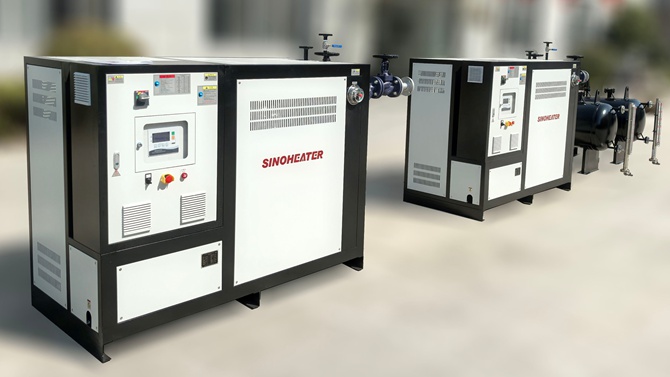
Asphalt plant operations rely on consistent, reliable high-temperature heat to keep aggregate drying, bitumen storage,…
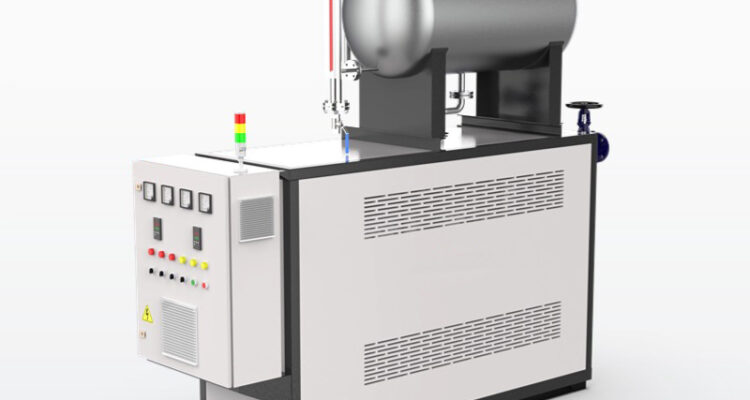
thermal oil heater thermal oil sampling
Thermal oil heater thermal oil sampling is a routine but critical maintenance practice that provides clear visibility into fluid condition, early signs of system degradation, and potential operational risks that cannot be detected through standard pressure or temperature readings alone. Proper sampling procedures ensure collected fluid samples accurately represent real-time circulating conditions, so subsequent analysis delivers reliable, actionable data for ongoing system management.
Pre-Sampling Preparation and Site Safety Protocols
Before initiating any sampling work, confirm the thermal oil heater system has reached a stable, normal operating temperature and has been circulating continuously for at least two hours. This ensures suspended contaminants and degraded fluid components are evenly distributed throughout the loop, rather than settled in low-flow dead zones that would produce misleading sample results. Wear appropriate heat-resistant personal protective equipment to avoid accidental contact with high-temperature fluid that can cause severe skin burns even at moderate operating pressure. Clear the entire sampling point of accumulated dust, residual old fluid, and loose surface debris, and prepare clean, sealed, label-ready sample containers that leave no room for external contamination during and after collection.
Select the Correct Sampling Point Location
Never collect samples directly from the expansion tank, fluid fill port, or drain valve at the very bottom of the heater housing, as these locations often hold stagnant fluid that does not reflect the actual circulating condition of the main loop. The ideal sampling point sits on the main discharge line downstream of the heater core, where fully heated, actively circulating thermal oil flows at a consistent, representative rate. Avoid low points where heavy sediment tends to settle, and stay away from sections immediately after filters or strainers, as these locations will not show the full contaminant load present in the broader system. Mark the selected sampling point permanently once confirmed, so every future sampling event uses the exact same location to ensure consistent, comparable data across months and years of testing.
Control Fluid Flow and Sample Collection Process
Open the sampling valve slowly and allow a small volume of thermal oil to flow out completely before collecting the final sample. This step flushes out all stagnant fluid trapped inside the short section of pipe between the main circulating loop and the sampling valve, so the fluid you capture comes directly from the active main flow path. Fill the clean sample container completely, leaving almost no headspace at the top before sealing it tightly, as excess trapped air will trigger accelerated oxidation reactions that alter fluid properties before you can complete laboratory analysis. Wipe the exterior of the sealed container to remove all residual hot oil, then label it clearly with the exact system identification, sampling date, operating temperature at collection time, and total runtime the system has accumulated since the last full fluid change.
Post-Sampling Handling and Sample Preservation
Once sampling is complete, close the sampling valve securely and inspect the surrounding area for any signs of slow leakage that could develop into a larger issue during subsequent operation. Allow the sealed sample to cool down gradually in a well-ventilated, fire-safe location away from direct sunlight or extreme temperature swings, as rapid cooling or UV exposure can change the chemical properties of the fluid before testing. Never store collected samples near open flame or high-heat equipment, and make sure they are transported to the testing location within a reasonable timeframe to avoid degradation that would invalidate final analysis results. Keep a clear, chronological record of every sampling event and corresponding test data, so you can track long-term trends in fluid condition and spot slow, developing problems long before they lead to unexpected system downtime.
Related Posts